

 fr
frHow to choose your helmet for Alpine skiing competitions ? (Slalom & Giant Slalom)

FIS / ASTM / EN 1077 A / 1077 B: Confused by Helmet Standards?
Alpine skiing is a demanding and intense discipline that requires equipment adapted to each type of race. The helmet is a key element of skier safety to prevent injuries related to falls, collisions, and contact with gates. But choosing the right helmet is not so simple, especially depending on your discipline.
Depending on the discipline practiced, the helmet must meet specific criteria for comfort, protection, and performance, linked to the skier’s speed.
Depending on the discipline practiced, the helmet must meet specific criteria for comfort, protection, and performance, linked to the skier’s speed.
Which helmet should you choose for Slalom (or Special Slalom)?
Slalom is one of the most technical disciplines in alpine skiing. Skiers must navigate between tight gates and perform quick, sharp turns at high speed. The skis used for this event are short, with a turning radius of around 12 m, which requires precise control and great agility.
For this discipline, the priority is comfort and flexibility, as movements are fast and fluid.
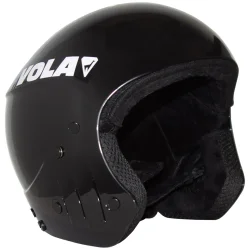
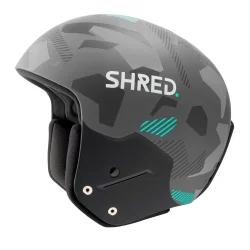
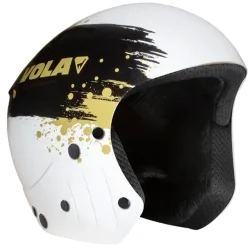
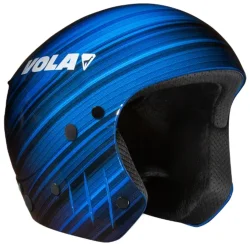
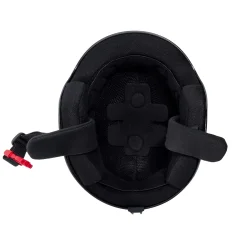
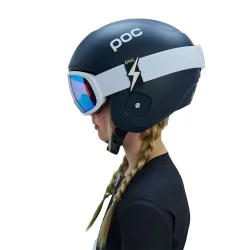
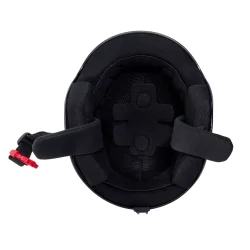
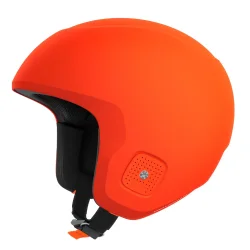
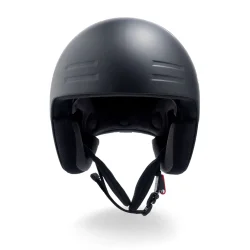
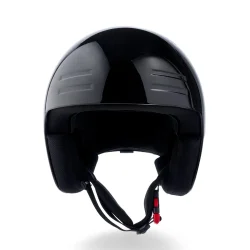
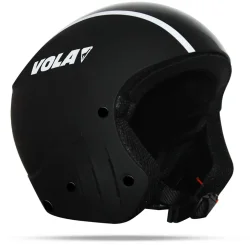
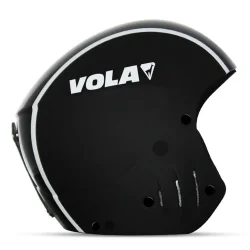
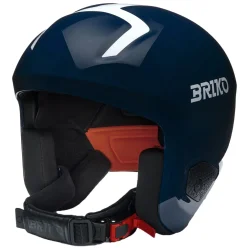
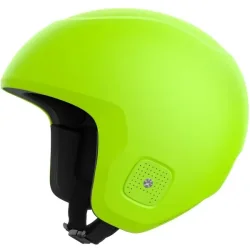
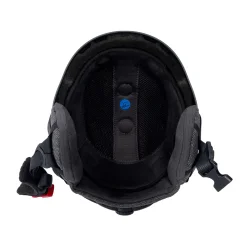
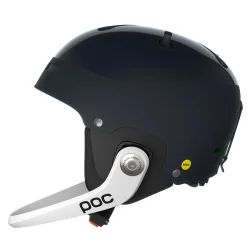
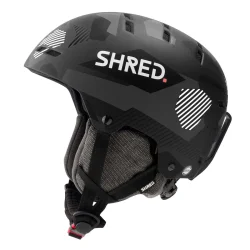
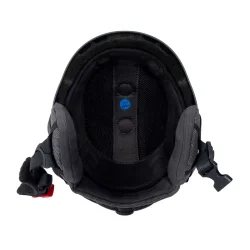
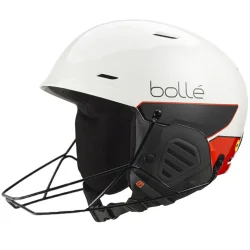
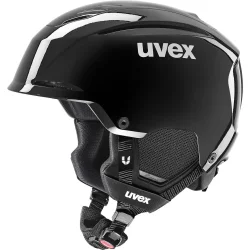
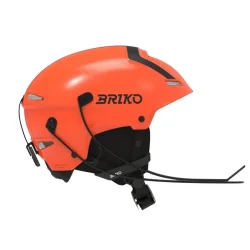
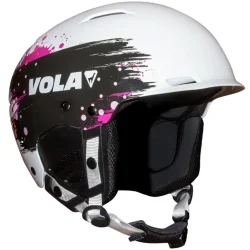
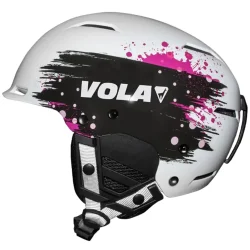
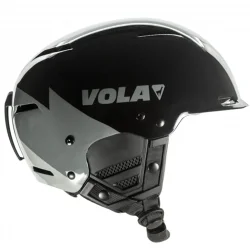
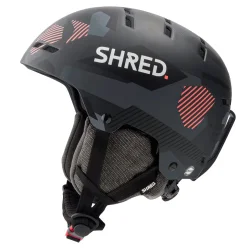
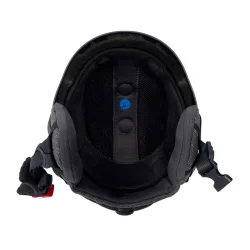
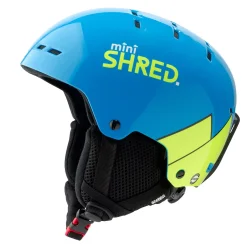
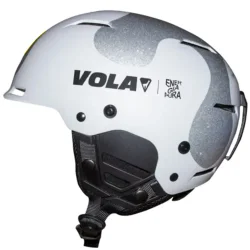
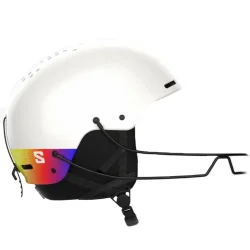
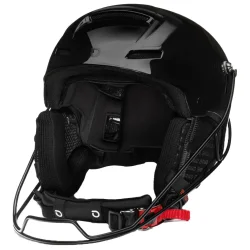
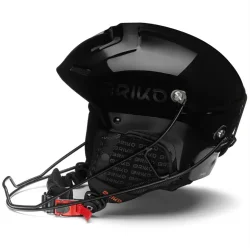
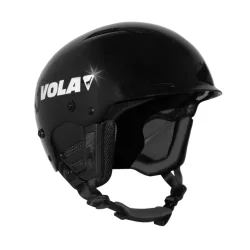
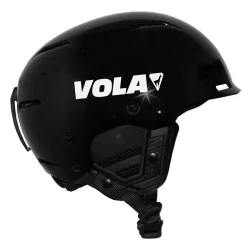
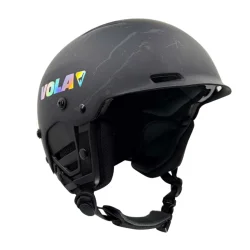
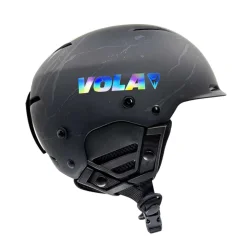
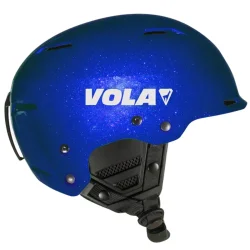
A FIS-certified helmet is not mandatory in slalom. A helmet with soft ear pads is generally recommended. This type of helmet allows greater freedom of movement while still providing sufficient protection to prevent injuries during contact with gates or snow.
Additional Protective Equipment :
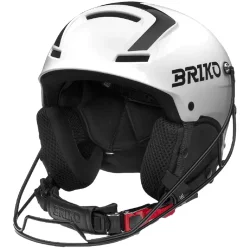
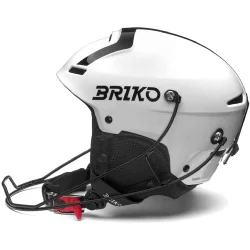
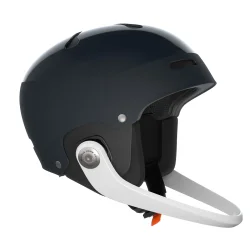
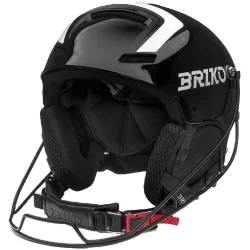
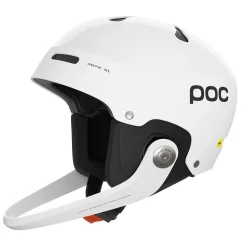
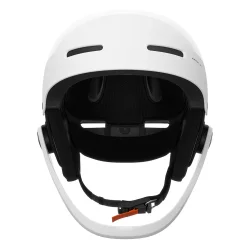
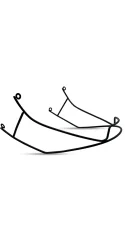
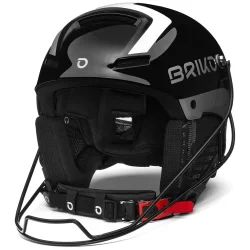
Chin guard: Although not mandatory, a chin guard is strongly recommended! It is useful for deflecting the gate.
-
Back protector: A back protector is mandatory.
-
Poles: With hand guards.
-
Shin protection: Often overlooked but essential in slalom. Shin guards are strongly recommended. They should cover the lower part of the shin, from the knee down, and be properly secured to the ski boot.
-
Cut-resistant pants
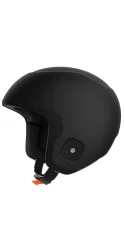
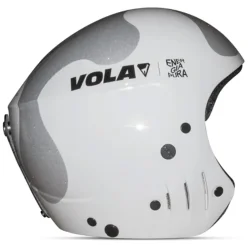
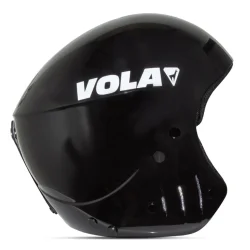
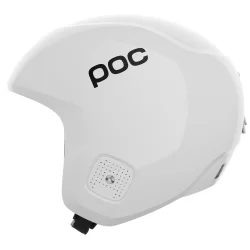
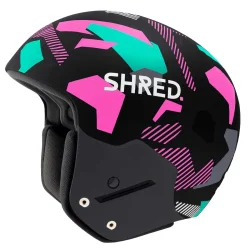
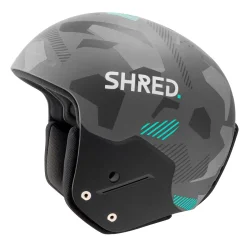
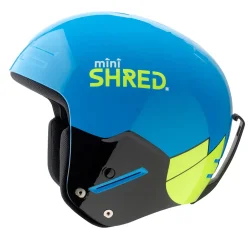
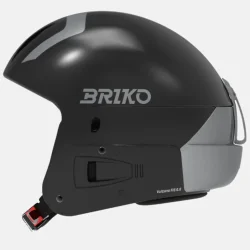
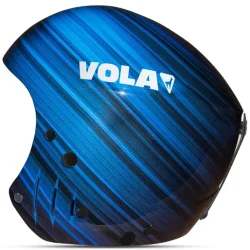
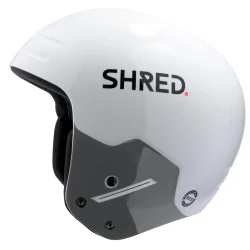
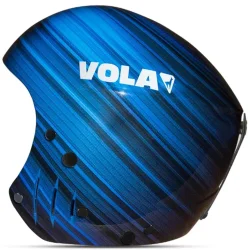
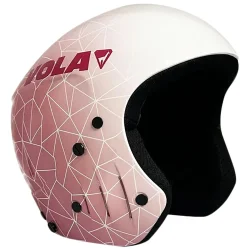
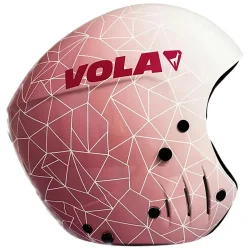
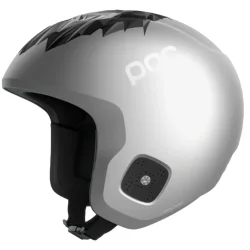
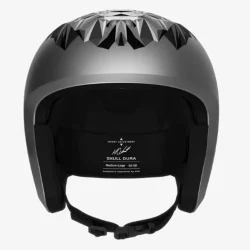
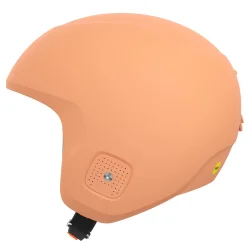
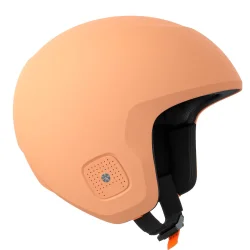
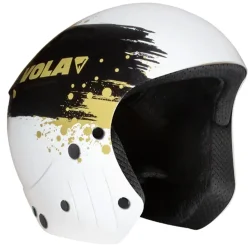
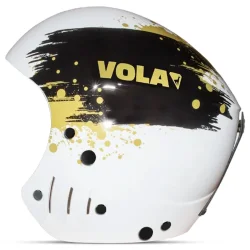
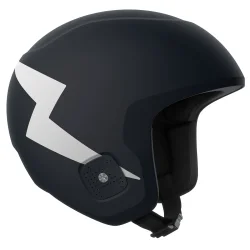
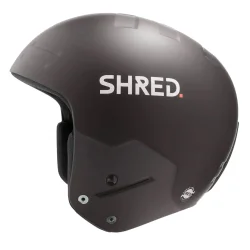
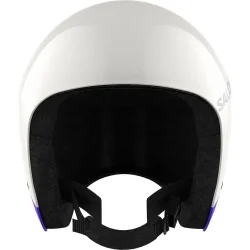
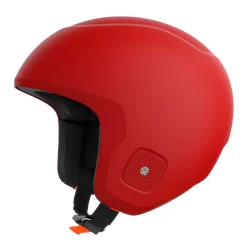
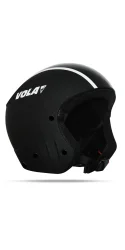
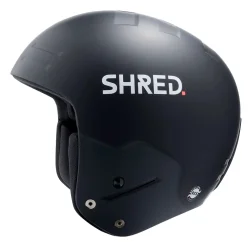
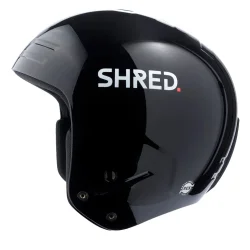
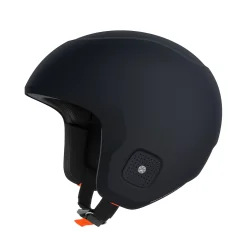
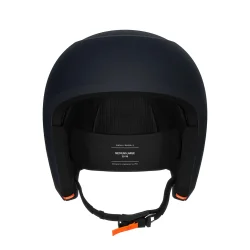
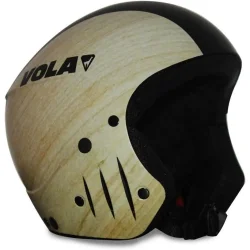
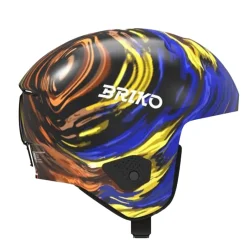
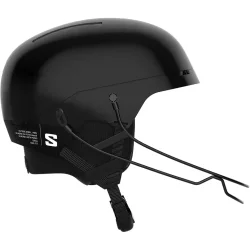
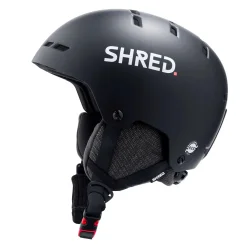
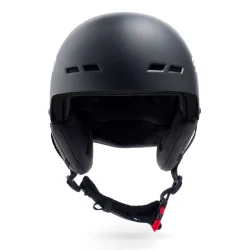
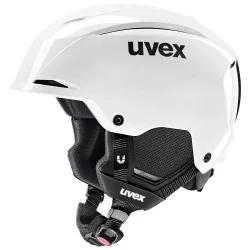
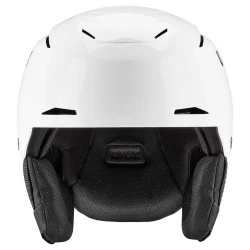
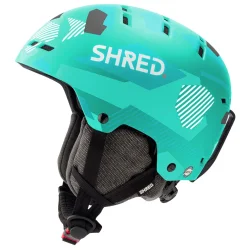
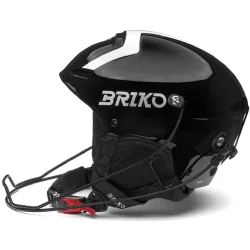
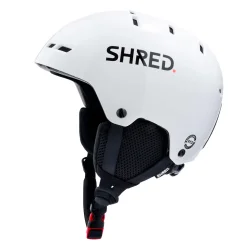
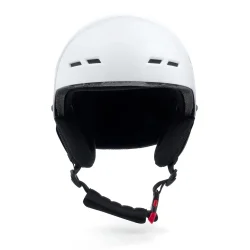
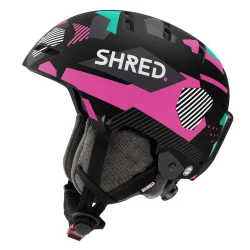
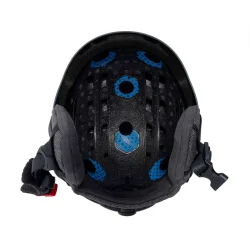
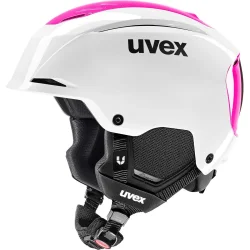
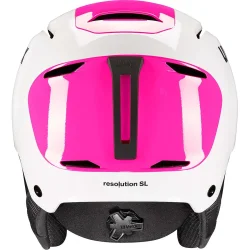
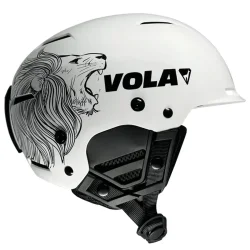
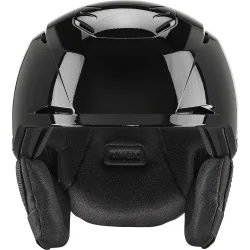
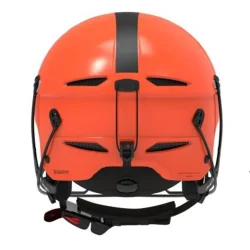
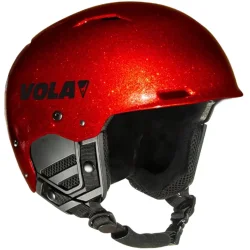
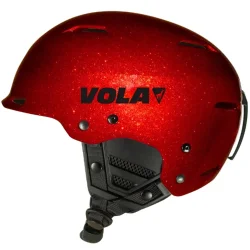
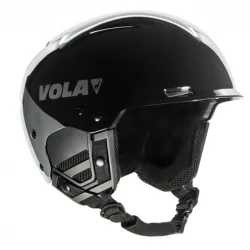
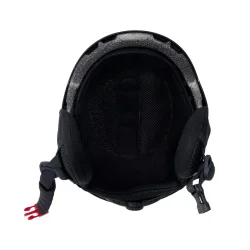
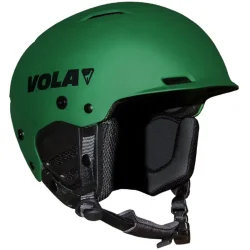
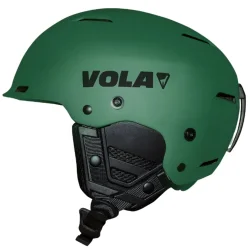
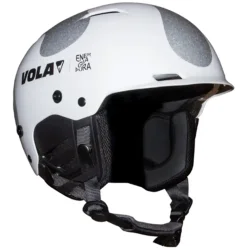
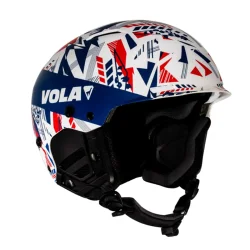
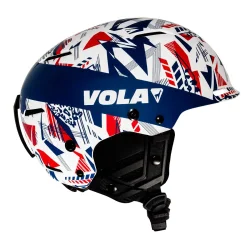
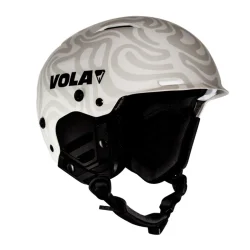
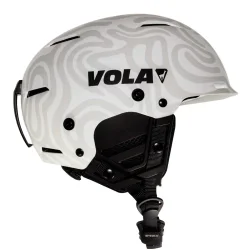
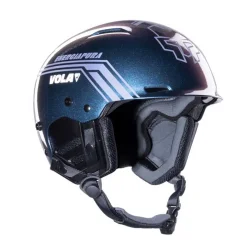
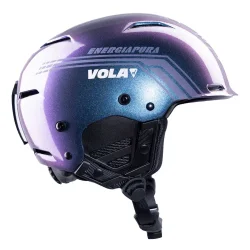
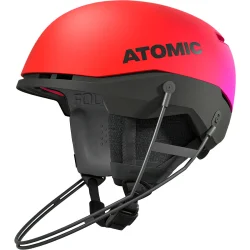
WORDEN offers a selection of slalom helmets from top brands such as POC, SHRED, BOLLÉ, UVEX, and VOLA.







Which Helmet for Giant Slalom (GS)?
Giant Slalom (GS) is a discipline that requires skiers to go faster and perform longer, wider turns. The skis used are longer, and the gates are more widely spaced, requiring high speeds while maintaining excellent control.
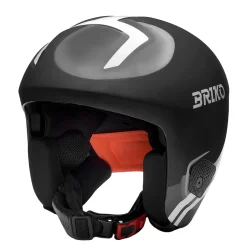
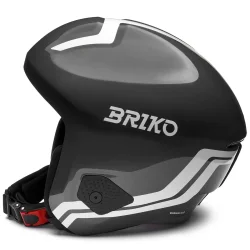
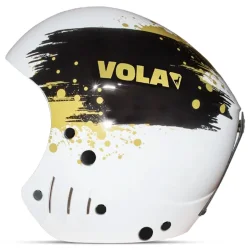
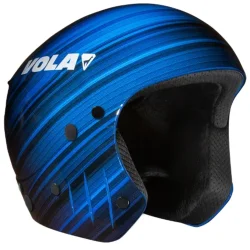
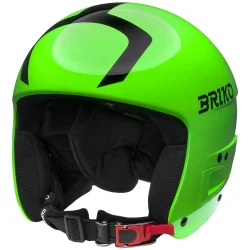
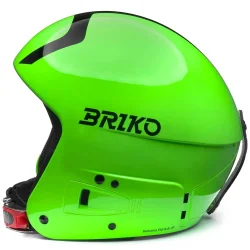
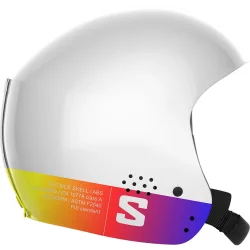
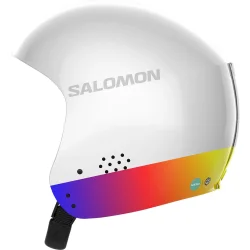
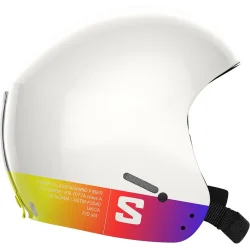
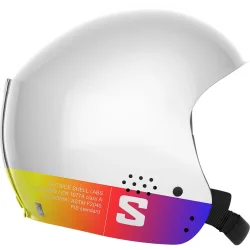
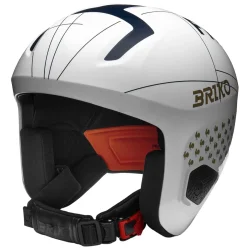
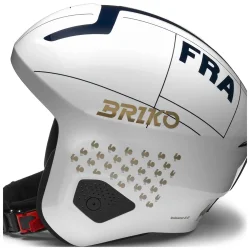
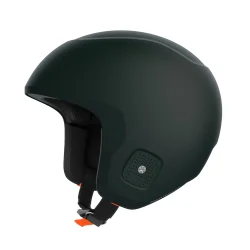
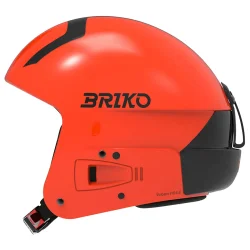
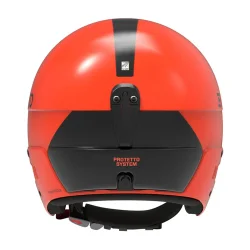
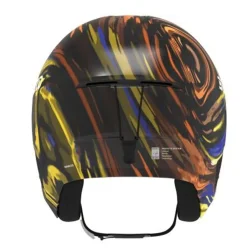
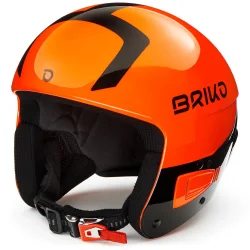
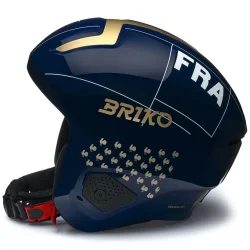
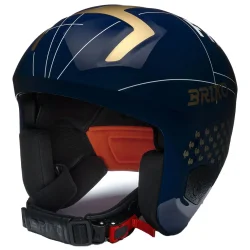
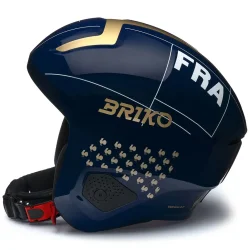
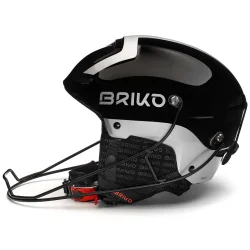
Due to the high speed and the intensity of potential impacts, the helmet must strictly comply with FIS standards. A helmet with hard ear pads is mandatory for this discipline. It is designed to withstand stronger impacts and provide maximum protection for the skier.
Additional Protective Equipment:
No chin guard: Unlike slalom, chin guards are forbidden in giant slalom.
-
Forearm protection: In addition to the helmet, forearm protectors are strongly recommended and may even be mandatory in some competitions. They can be attached to the race suit or worn as a giant slalom vest, providing extra protection in case of contact with the gates.
-
Back protector: A back protector is also mandatory in giant slalom, offering protection for the spine in the event of a fall.
Beyond slalom and giant slalom, there are other disciplines such as Super-G (SG) and Downhill (DH). These races are more elite and require even more specific equipment due to extreme speeds and a higher risk of impacts.
Whatever type of race you practice, it is crucial to choose a helmet that provides effective protection while ensuring good comfort. Each discipline has specific requirements, and compliance with safety standards should never be overlooked. By choosing the right helmet, you ensure not only better protection but also optimal performance.
Need more information? Our WORDEN advisors are at your disposal. Otherwise, consult the FIS equipment regulations.