

 fr
frHow to choose your triathlon wetsuit ?
There are several essential criteria to consider when selecting the right neoprene wetsuit for your triathlon!
Wetsuit Buoyancy
Keep in mind that the primary role of a good triathlon wetsuit is to provide warmth and buoyancy. Buoyancy relieves your legs during the swim leg and allows you to move higher on the water's surface, saving you precious time on your swim course!
Wetsuit Flexibility
Flexibility is also crucial to ensure good freedom of movement. You don't want to be penalized by a suit that is too stiff, making it difficult to swim. Indeed, a rigid wetsuit can hinder your stroke and hamper your performance during the race. Better flexibility also allows for a better overall fit!
Wetsuit Fit
A perfect fit is indispensable to limit water circulation inside the suit! This thin layer of water is quickly warmed by your body, ensuring excellent thermal insulation regardless of the water temperature. A poorly fitted suit lets too much water in, which reduces the insulating effect and slows your progress through the water.
The challenge for the triathlete is to find the ideal compromise between flexibility, buoyancy, and warmth. A warm suit offering good buoyancy may be more or less flexible depending on the type and thickness of the neoprene used. The quality and thickness of the neoprene directly influence these three criteria.
Which Range of Wetsuit Should You Choose?
Entry-Level (Under €250)
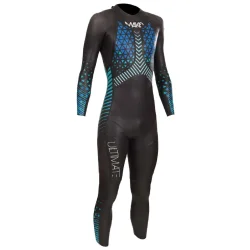
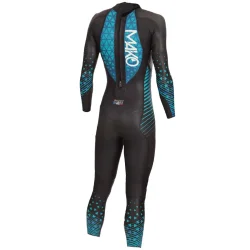
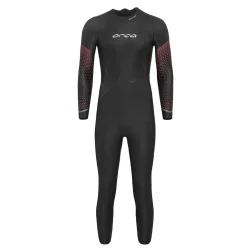
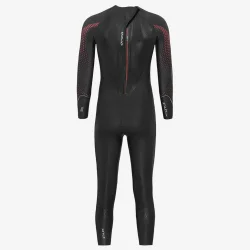
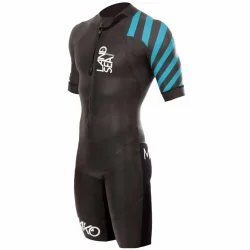
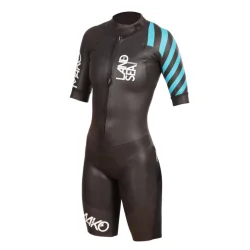
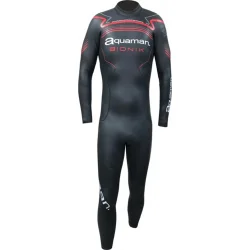
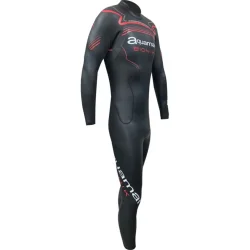
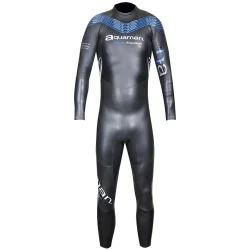
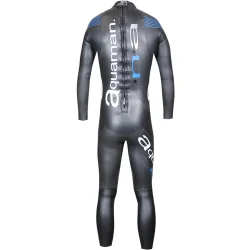
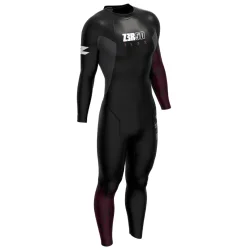
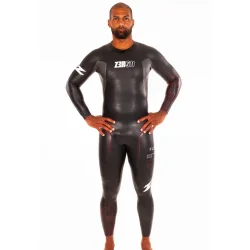
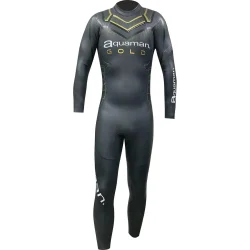
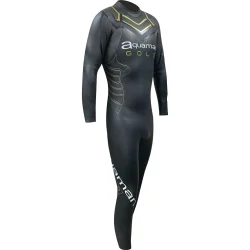
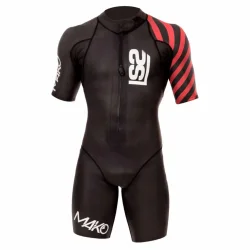
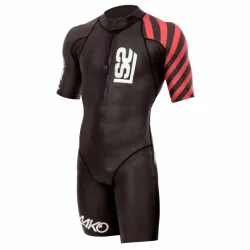
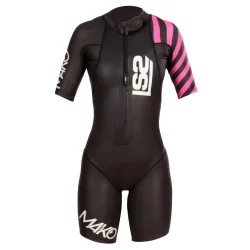
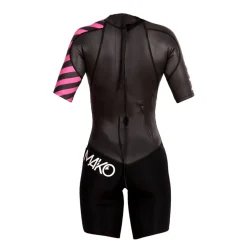
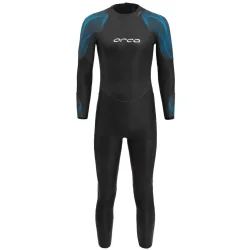
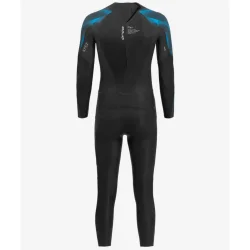
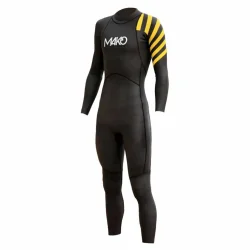
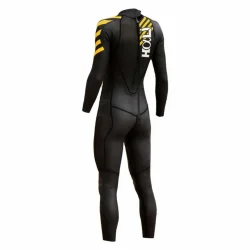
Most brands (Aquaman, Orca, Mako, Zone-3...) offer entry-level neoprene suits with thinner neoprene. Additionally, the materials used are stiffer than those found in higher ranges. These suits generally lack a hydrodynamic coating, making them slower in the water and harder to remove during transitions.
An entry-level suit has the advantage of a more affordable price; however, it will be less warm due to the thickness used and will offer less elasticity.
Low thickness can cause a "balloon" effect, where the suit inflates slightly as water enters, increasing water circulation and limiting warmth. A stiff suit will also quickly fatigue your shoulders and restrict your movement.
Mid Range
Mid-range wetsuits use thicker and more flexible materials, such as Yamamoto #39, featuring additional panels for a better fit! They benefit from a glide coating (SCS), which facilitates quick removal when exiting the water. This range offers an excellent compromise: warmer, more flexible, and more comfortable—ideal for regular triathletes.
Haut de gamme (plus de 450€)
Except for specific models dedicated exclusively to elite swimmers, high-end suits can be used regardless of your swimming level (from beginner to advanced). A high-end suit provides the maximum possible flexibility for total freedom of movement (Yamamoto #40 neoprene). You can swim without being penalized, enjoying a sensation similar to swimming without a wetsuit. The glide coating is applied to the entire suit (better hydrodynamics and extremely fast removal). The thermal benefits are significant because flexible neoprene allows for greater thickness without sacrificing movement. Prepare to invest over €400 to swim comfortably almost year-round, regardless of water temperature!
Do not hesitate to ask for advice from your Triathlon WORDEN specialist at our store in La Ravoire or by phone at +33 (0)4.79.71.16.29.