



 fr
frHow to choose your cross country ski poles ?
In cross-country skiing, whether for classic or skating, choosing the right pole size is crucial. Poles do more than just support your arms: they assist in power transfer, support the muscles being used, and help with stabilization. An ill-fitted pole can quickly limit your performance and comfort on the tracks.
As a general rule, we apply the following formulas :
For classic skiing
The recommended formula for pole length is: skier's height x 0.84.
The poles should reach shoulder height.
- You can round down to the next size for greater comfort and less bulk.
- For more power, you can round up to the next size.
Caution : do not exceed a difference of 5 cm to avoid overloading the shoulders.
For skating
The recommended formula for pole length is: skier's height x 0.89.
Skating poles are longer than classic poles, generally reaching up to the nose or ears.
This allows for a more powerful backward push, which is essential for skating.
Again, you can adjust slightly depending on your style and level.


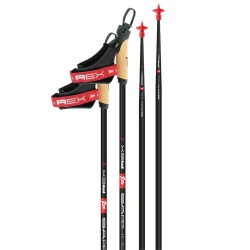
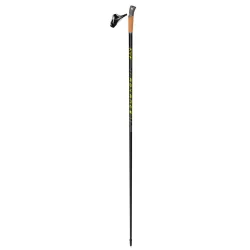
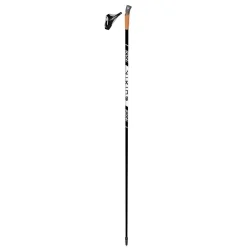
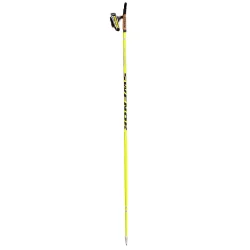
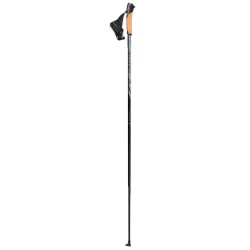
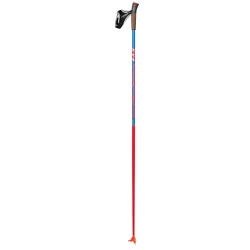
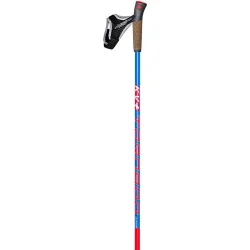
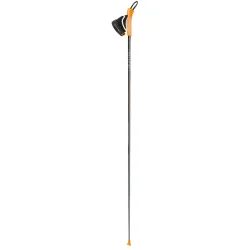
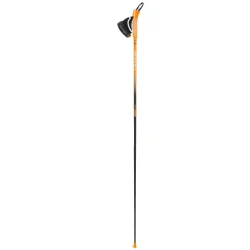
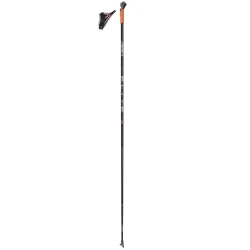
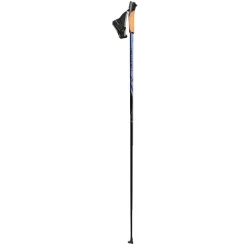
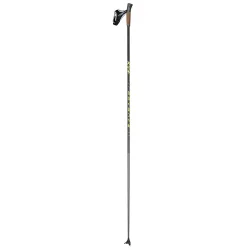
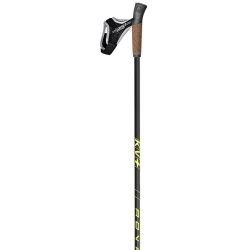
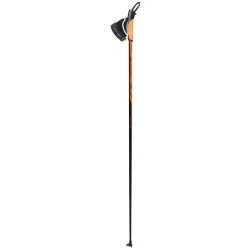
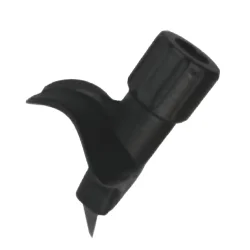
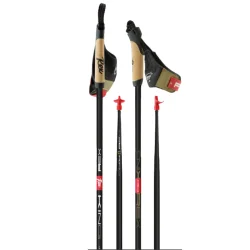
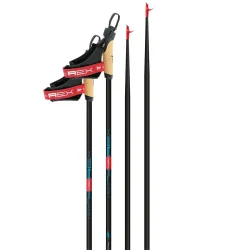
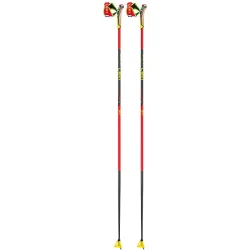
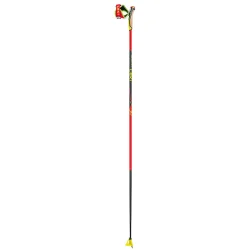
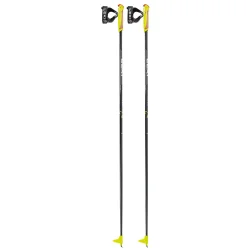
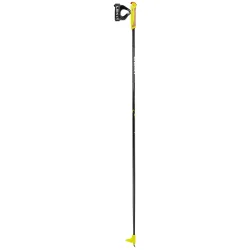
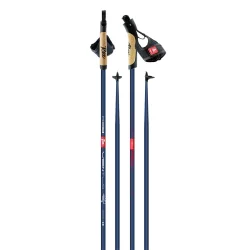
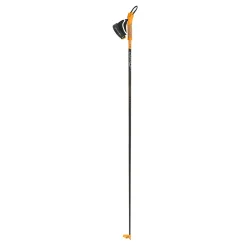
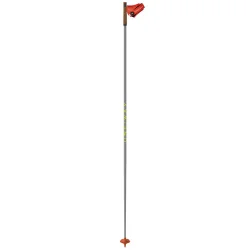
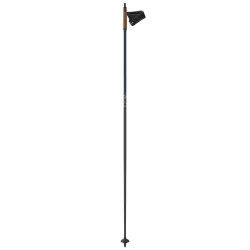
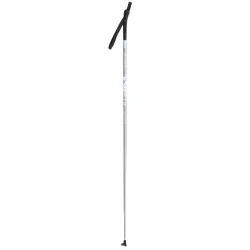
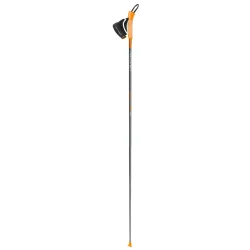
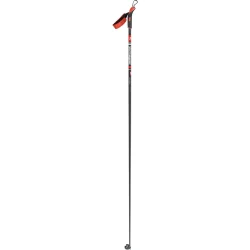
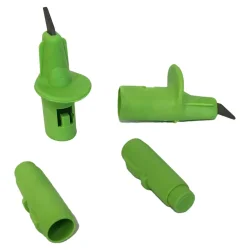
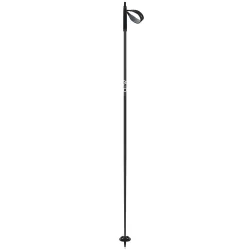
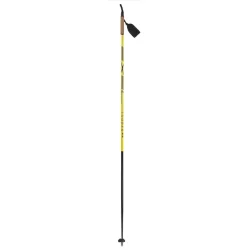
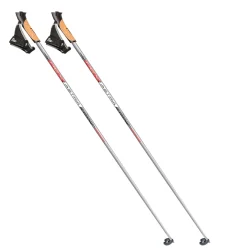
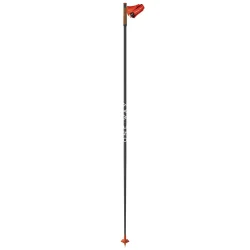
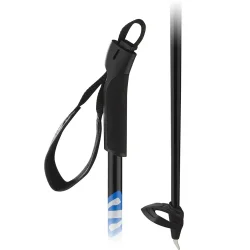
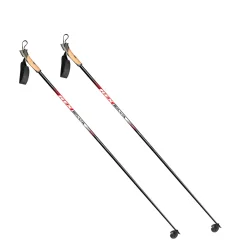
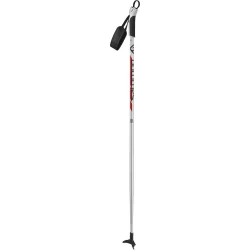
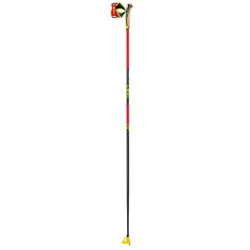
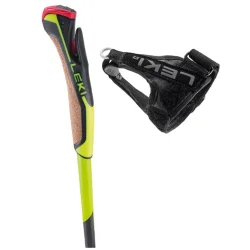



In competition, FIS standards apply to regulate the maximum length of poles, taking into account the height of the skier.
- For classic skiing, the maximum length is: Skier's height x 0.83.
- For skating, the maximum length is: Skier's height.
- For roller skiing: Skier's height x 0.83 + 2 cm.
The skier's height is measured with ski boots on, up to the top of the head.
To measure the length of the pole, we measure from the tip to the insertion point of the strap.

If you are between sizes, we recommend choosing the larger size and selecting one of our services, such as stick cutting, where we can cut them to the ideal size.

What material should you choose for your cross-country ski poles?
Once you have decided on the size, you need to determine what type of poles to choose.
Depending on your budget, the type of skiing you do, your goals, etc., there are many factors that will influence your choice of poles:
- Aluminum: the entry-level option
These poles are a little heavier and slightly more resistant, but they are not very efficient because they bend under pressure and cause vibrations in the arms. This option is suitable for occasional and recreational use. These poles contain a maximum of 30% carbon fiber, often low-quality carbon. - Aluminum + Carbon: the right compromise
to make it lighter, improve performance, and offer good value for money. These poles are generally made of 60% to 90% carbon fiber. Ideal for skiers looking for quality equipment at a reasonable price - 100% carbon: ultra-lightweight and high-performance
Very lightweight, excellent energy return, ideal for performance. More fragile in the event of impact, more expensive. Who are they for? Ideal for experienced skiers, competitors, or those