

 fr
frComment choisir ses bâtons de Ski Alpin ?

What size pole should you choose for downhill skiing?
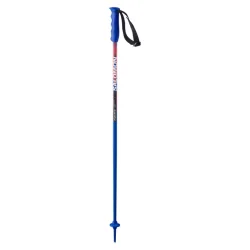
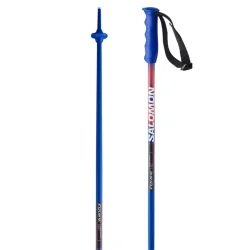
As a general rule, for downhill skiing we recommend a 90° angle of the arm when you turn the pole over and take it under the basket. In competition, pole sizes can vary. In fact, we have found that depending on the skier's practice and level, the size can be different and have a significant impact on technique during training or racing.
In this case, what size pole should you choose for competition?
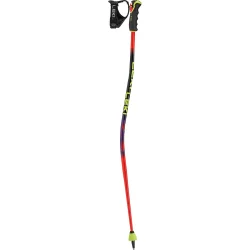
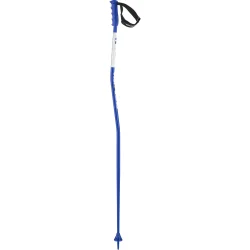
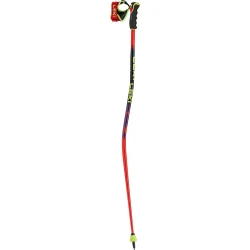
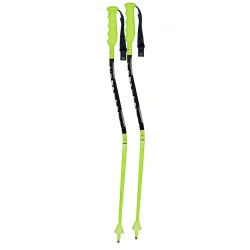
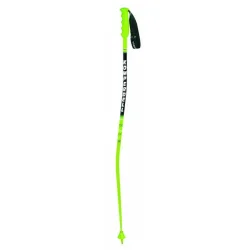
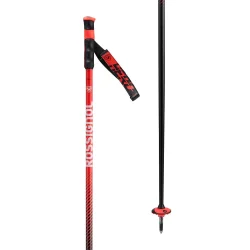
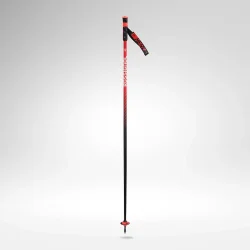
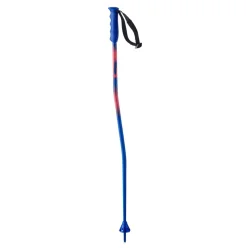
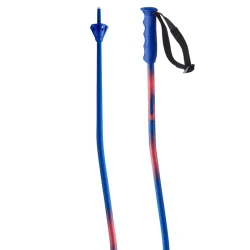
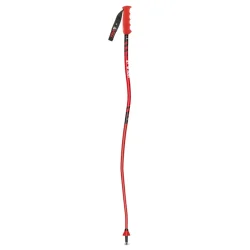
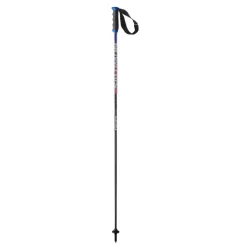
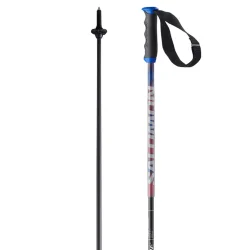
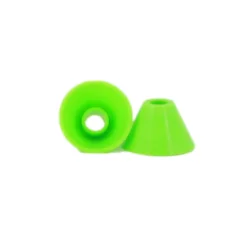
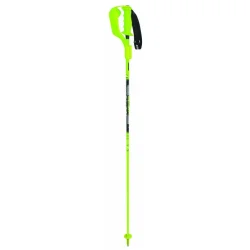
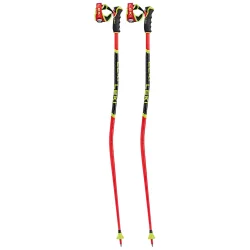
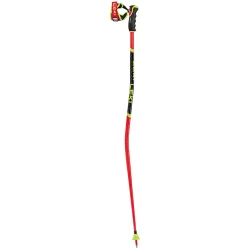
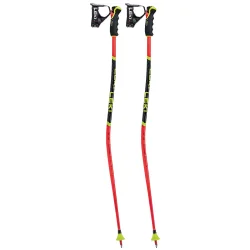
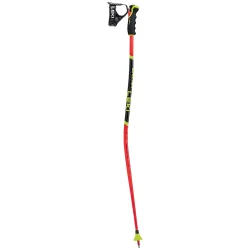
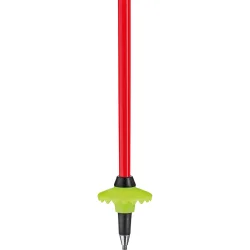
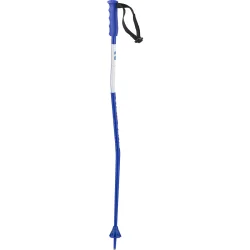
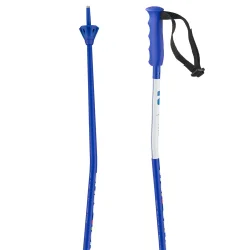
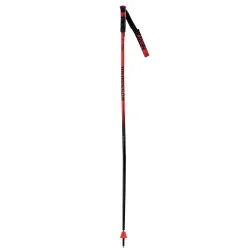
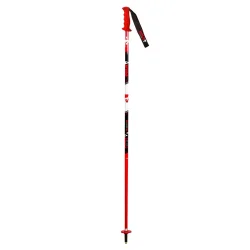
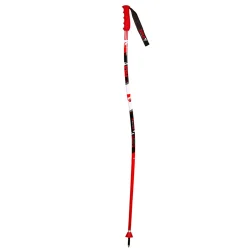
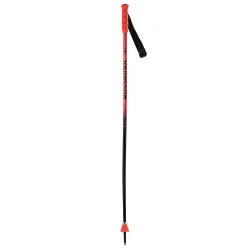
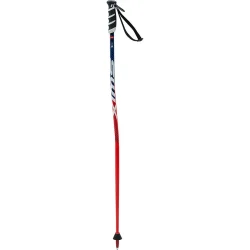
The size we recommend for competition is as follows: your height x 0.7 and adjust by + or – 5 cm depending on the discipline. Here are some details: In Slalom, the skier's position is more bent due to an “attack” position with the arms forward. In addition, the push is very short and poles that are too bulky would reduce precision during the descent. That's why we recommend choosing poles that are 5 cm shorter than the general rule for slalom poles. In Giant Slalom, the need for thrust is greater at the start, and during the descent, the overall amplitude is slightly reduced. This is why we can select longer poles, i.e., 5 cm longer. Giant slalom poles are usually curved to ensure aerodynamics when they are close to the body. In addition, the baskets are cone-shaped so that they do not catch on the gates at very high speeds.
Here is an example :
For a skier who is 1.78 m tall, 1.78 x 0.7 = 125 cm. In slalom, the ideal size would be 120 cm. In giant slalom, it would be 130 cm.
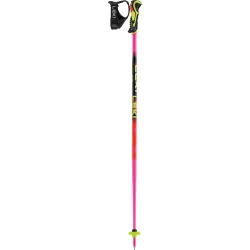
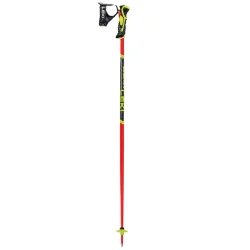
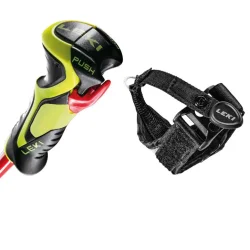
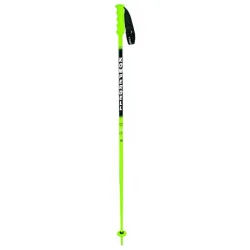
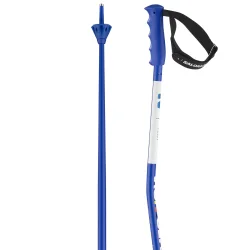
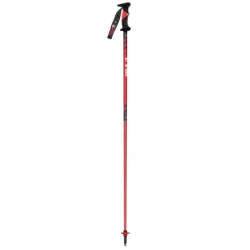
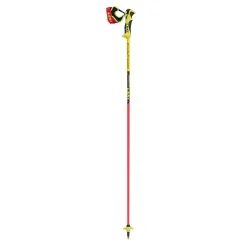
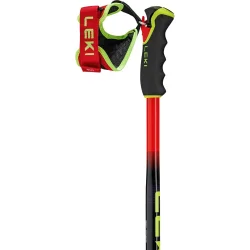
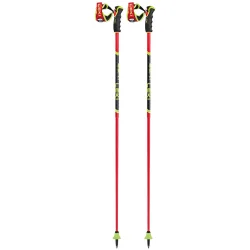
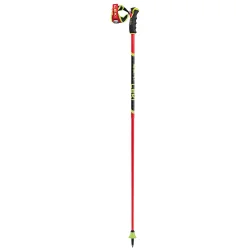
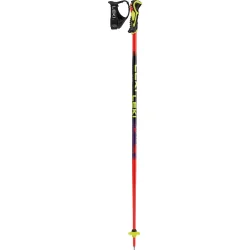
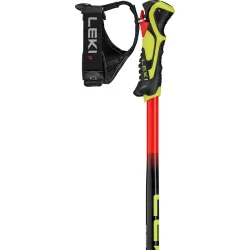
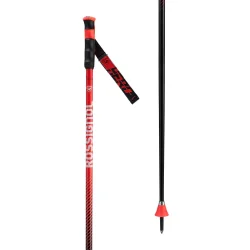
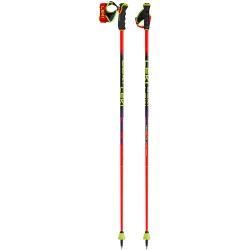
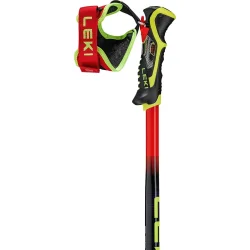
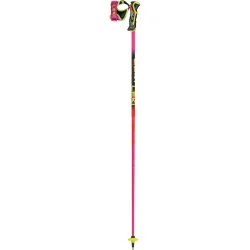
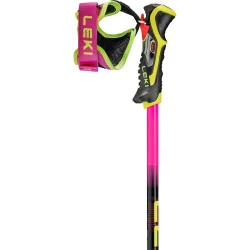
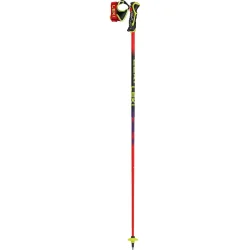
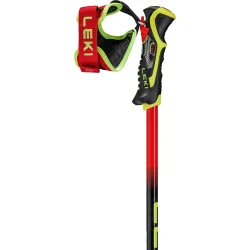
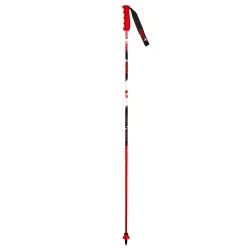
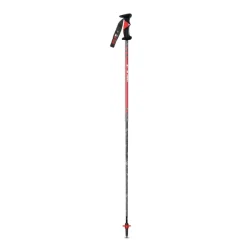
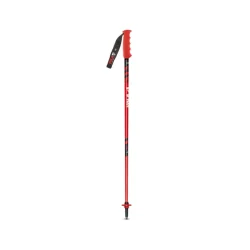
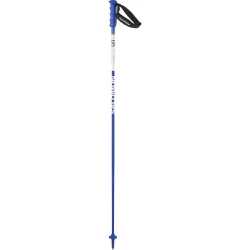
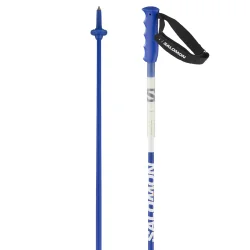
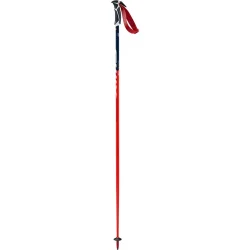
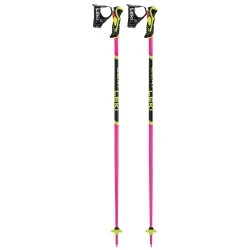
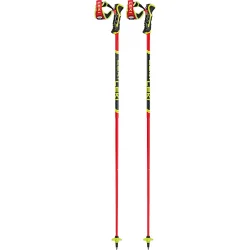
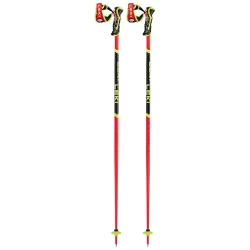
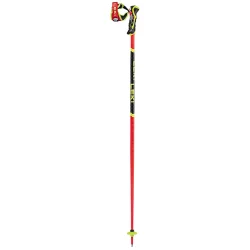
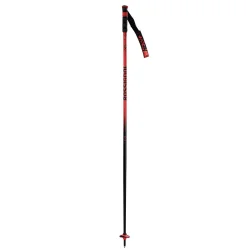
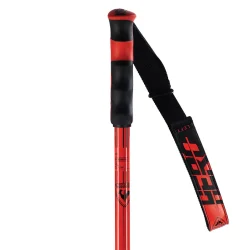
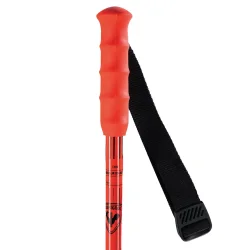
See all our brands of racing ski poles: Leki, Vola, Scott, Atomic, and more.


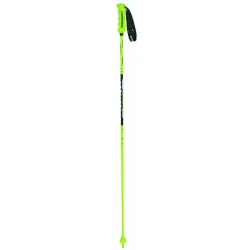
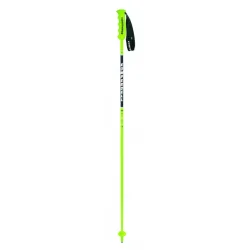
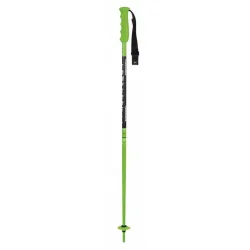
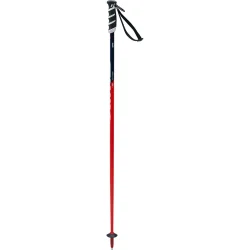
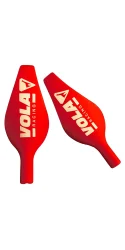
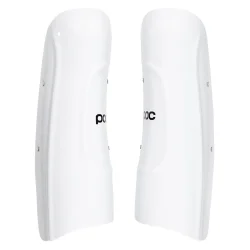
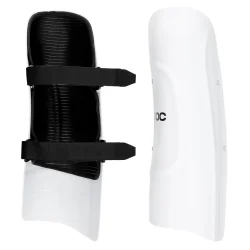
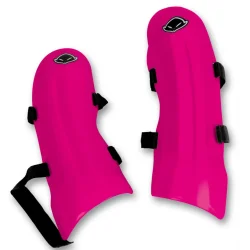
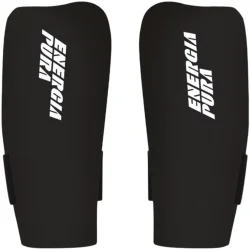
What protective gear should you choose for your competition poles?
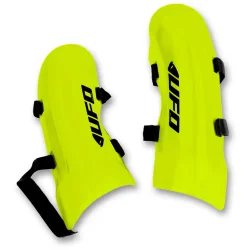
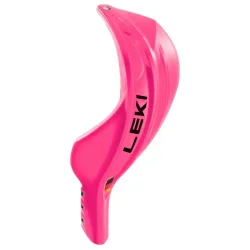
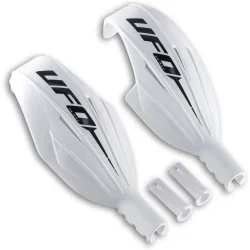
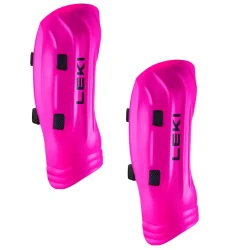
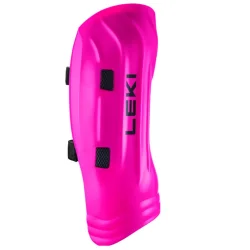
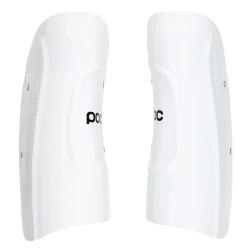
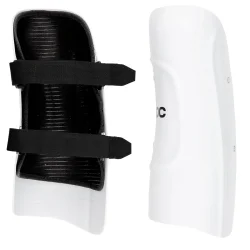
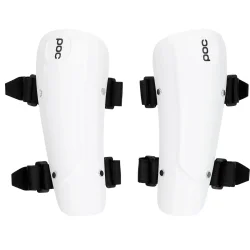
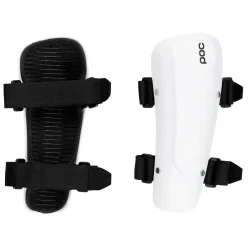
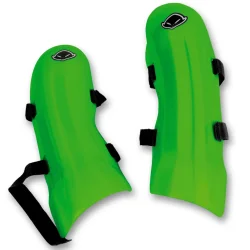
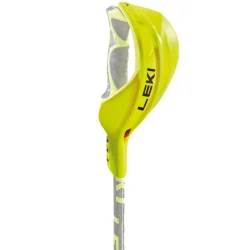
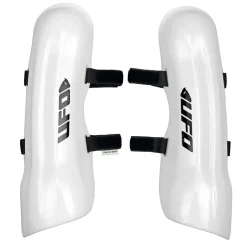
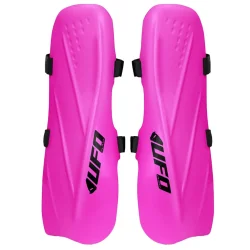
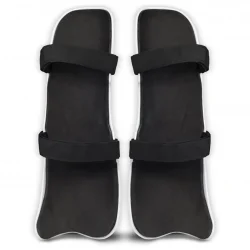
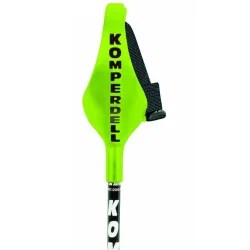
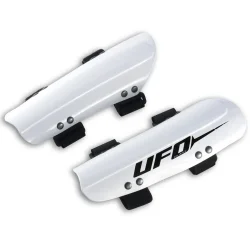
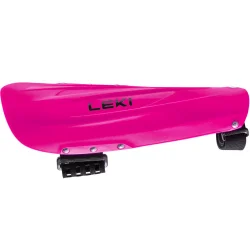
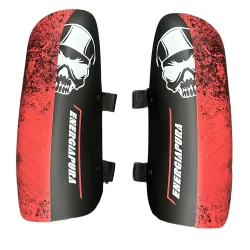
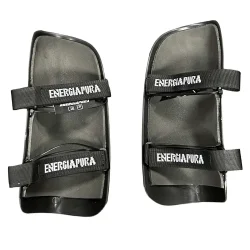
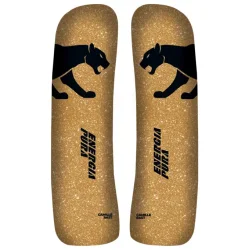
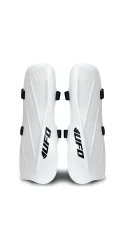
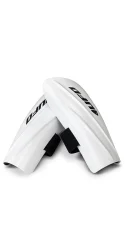
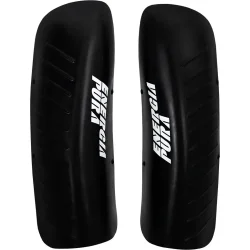
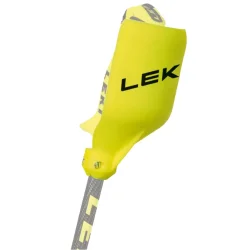
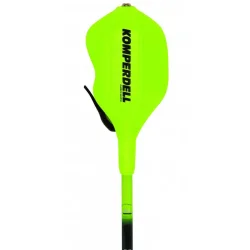
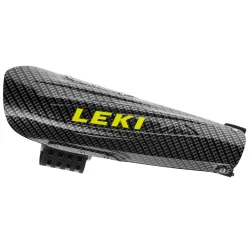
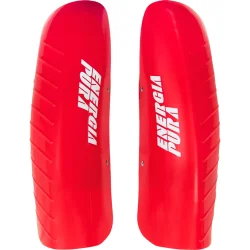
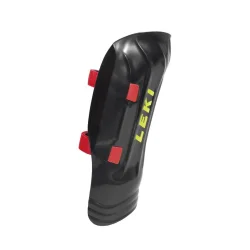
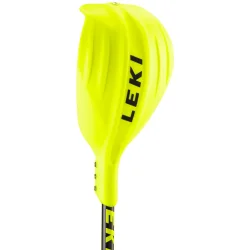
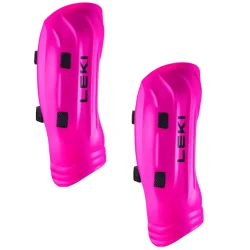
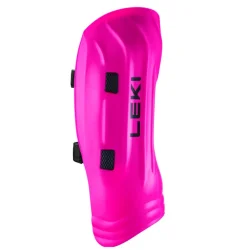
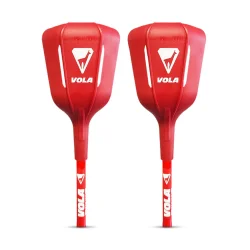
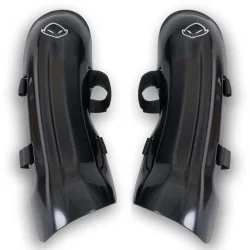
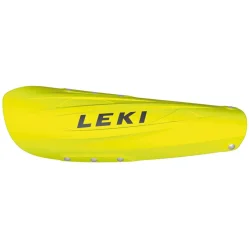
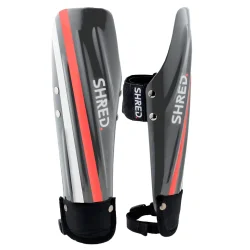
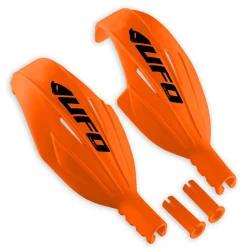
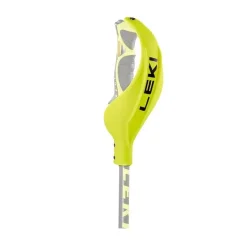
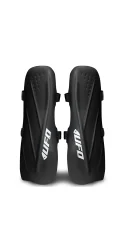
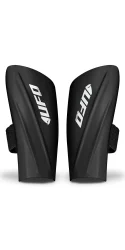
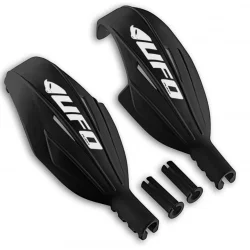
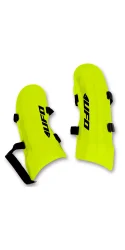
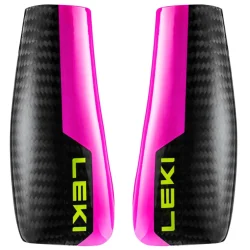
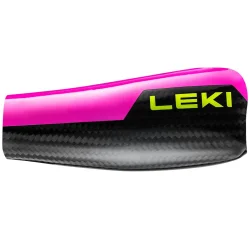
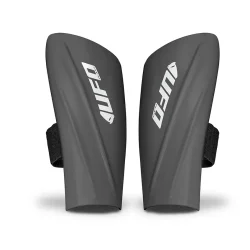
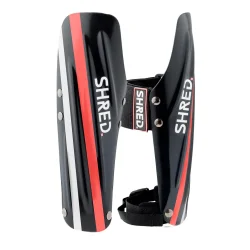
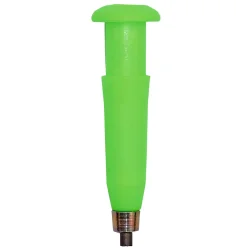
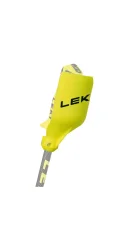
Sur les bâtons de Slalom, nous avons besoin de protections. En règle générale, il est judicieux de sélectionner des protections de la même marque que les bâtons, afin de ne pas avoir de mauvaises surprises de compatibilité à cause du diamètre.
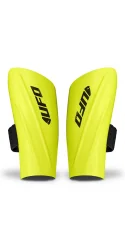
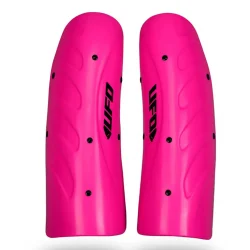
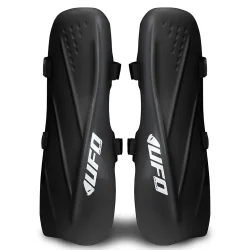
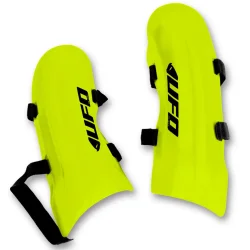
Retrouvez toutes nos marques de protections de ski alpin : Leki, Vola, Ufo, …