

 fr
frHow to choose the right Trail running poles?

Do you practice trail running and want to buy new poles? At WORDEN, our experts support you in choosing the right trail running poles (size, materials, brands, etc.).
In trail running especially during long outings or on steep climbs your poles become a real ally! They help you gain muscular power by relieving your heavily used legs. But be careful: if the size or model does not match your body type and running style, your poles may become a burden rather than an advantage!
What pole size should you choose for trail running ?
The ideal size of your trail running poles is generally calculated as follows: your height × 0.7. This rule allows you to obtain an elbow angle of around 90°, ensuring an efficient and comfortable posture. You can adjust this angle between 80° and 100° depending on your personal preference and running style.
Example: If you are 1.70 m tall, your poles should measure approximately 119 cm (1.70 × 0.7).
What type of pole should you choose for trail running?
Once the size is chosen, you will have the choice between three main categories of poles, each suited to a specific use.
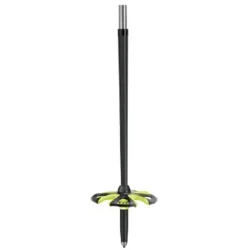
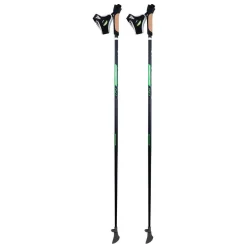
Telescopic Poles
- Advantages: Adjustable in length, robust, and versatile.
- Disadvantages: Heavier, making them less dynamic for trail running.
- Recommended use: Short or long hikes, Nordic walking; less suitable for intensive trail running.

See Nordic walking poles / Hiking poles
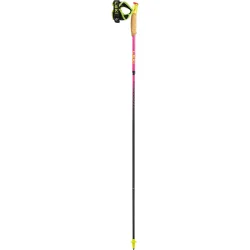
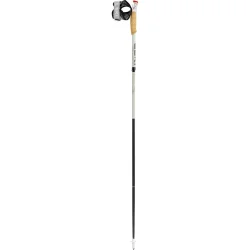
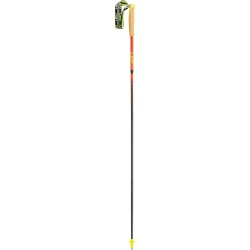
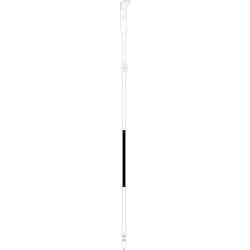
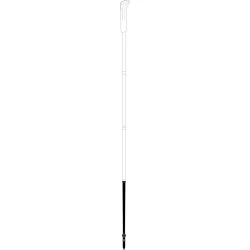
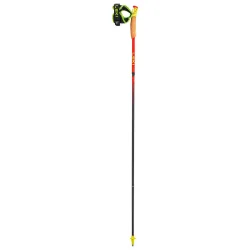
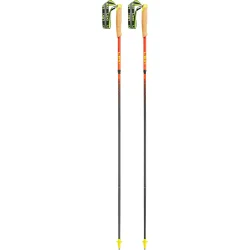
Single-Piece Poles
- Advantages: Lightweight and rigid, offering excellent energy return.
- Disadvantage: Not very practical to transport as they do not fold.
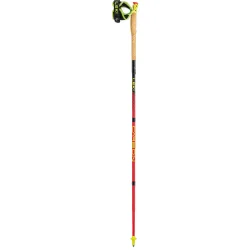
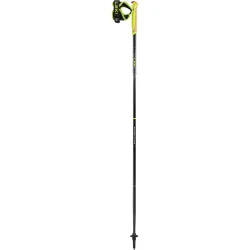
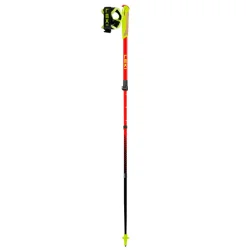
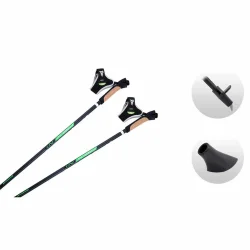
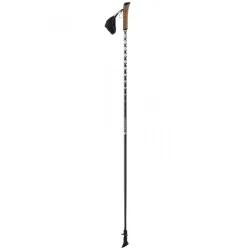
- Recommended use: Short outings, such as vertical kilometers, or on less technical terrain. They come from Nordic walking and are suitable for those who prefer to run with poles in hand.

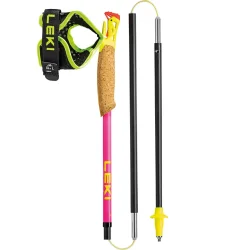
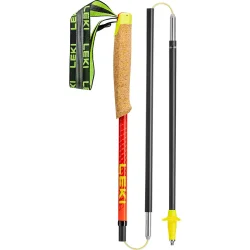
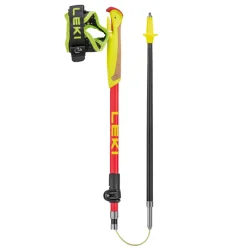
Folding Poles
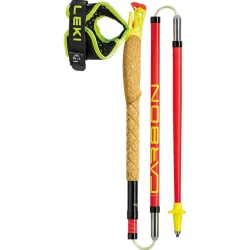
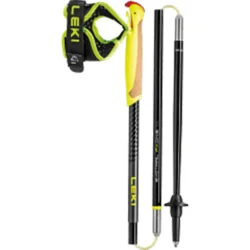
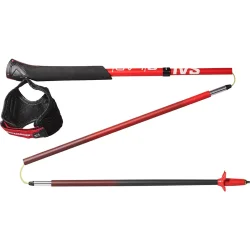
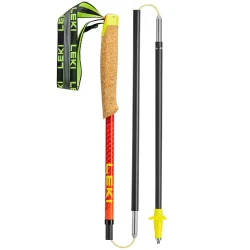
- Advantages: Easy to fold and store; they adapt perfectly to technical trails where you need to use your hands regularly.
Lightweight and easy to carry on a trail pack or vest! - Recommended use: Technical and versatile trail running, where portability is a real advantage.

There are now very practical attachments for packs or belts to store your folding poles. We advise against carrying them in your hands!

Carbon or Aluminum : Which material should you choose?
- Aluminum: More solid and durable, but heavier and less dynamic than carbon.
- Carbon (or composite): Lighter, with better energy return—ideal for those looking for performance and comfort
What size trail running poles should you choose?
Tip: If you want to use more arm strength, you can choose poles that are 5 cm longer than the recommendations below (increasing arm force will raise your heart rate more, but if you are in good physical condition, there’s no problem!).
Summary table of recommended sizes for your trail running poles

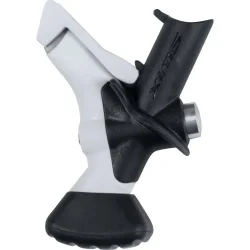
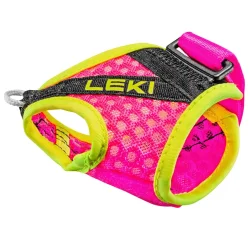
Choosing the right trail running poles means ensuring optimal comfort, better efficiency in your support, and preserving your legs over long distances. Take into account your body type, terrain type, and practice to select the size, material, and type of pole that will suit you perfectly. Also check the ergonomics of the handle, especially if you want to clip/unclip with a single finger.
Find LEKI, GIUDETTI, BLACK DIAMOND, FERRINO, SWIX poles on worden.fr.
If you need personalized advice, feel free to contact our WORDEN experts in La Ravoire. We are here to help you find the perfect trail running poles to support you in all your outdoor adventures!