



 fr
frHow to properly wax your cross-crountry skis : the complete guide WORDEN
Waxing is an essential step to maximize glide and extend the lifespan of your ski bases. Whether you practice skating or classic skiing, proper maintenance helps prevent base drying and significantly improves your feel on the snow.
For best results, use a ski vise or a dedicated waxing table. Good lighting is also essential for precise work.
Watch our video to learn how to properly wax your cross-country skis.
While the basic waxing techniques are similar for alpine skiing and snowboarding, cross-country skiing has specific requirements, especially for grip.
Cold Waxing: Quick and Easy
Ideal for beginners or skiers short on time, cold waxing requires minimal equipment.
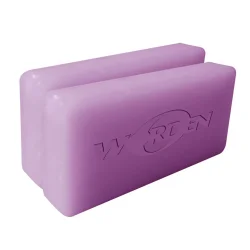
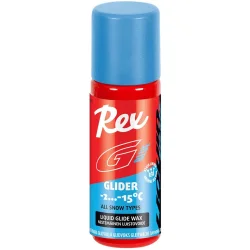
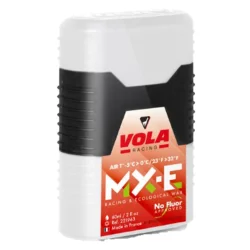
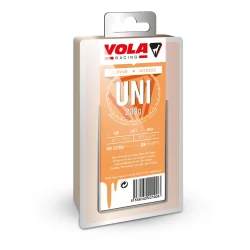
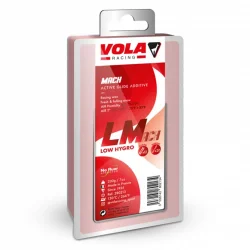
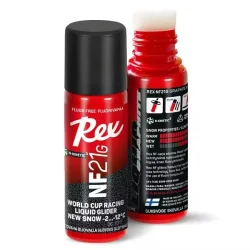
- Choose a universal wax or a low-fluor liquid wax
- Crayon or spray the wax directly onto the base
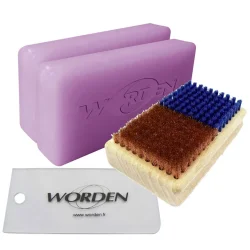
- Brush and polish using cork, felt, or fiberlene
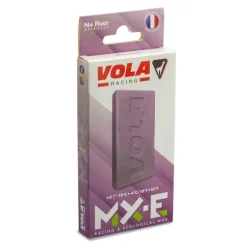
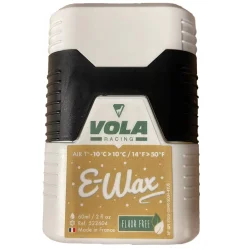
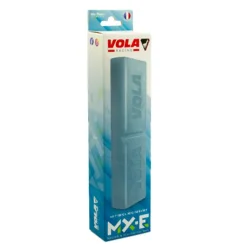
For a more environmentally friendly approach, eco-friendly waxes (fluor-free and biodegradable) now offer excellent glide performance while preserving mountain ecosystems.
Hot Waxing: Performance and Protection
This is the ideal method for the best results.
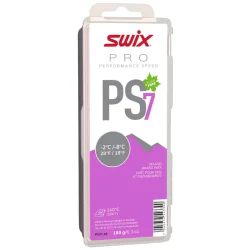
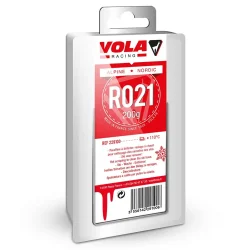
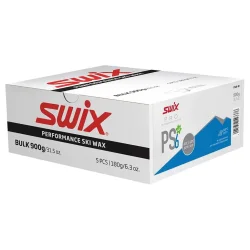
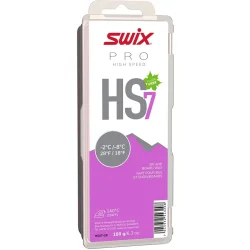
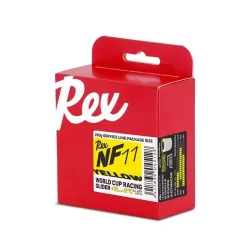
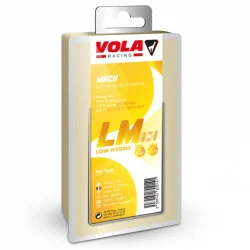
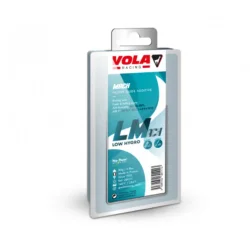
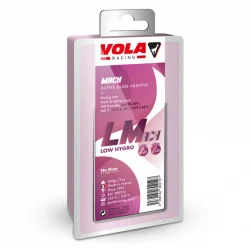
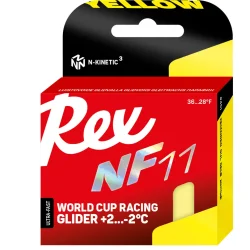
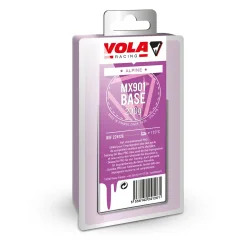
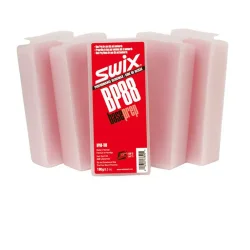
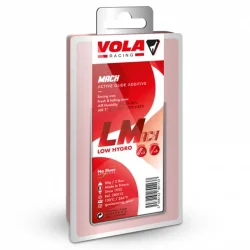
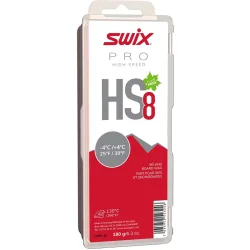
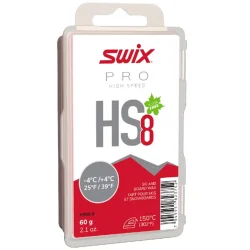
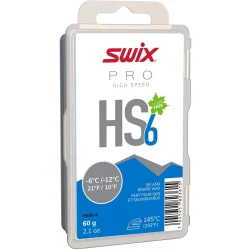
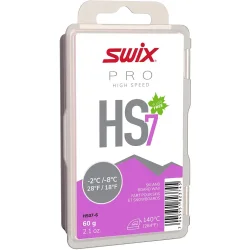
Select a wax suited to the day’s snow conditions
Choose a wax with or without fluorine. Select a waw suited to the day's snow conditions.- Choose a waxing iron with electronic or digital temperature control
Set the temperature so the wax melts smoothly without producing excessive smoke. Digital models provide more precise temperature adjustment Drip a few grams of wax per pair onto the ski base.
There is no specific direction for ironing. Move the iron slowly over the ski (5–6 seconds per section), covering the entire lengthClear the groove using a groove scraper or pencil
- Let the Wax rest for 10 minutes minimum
Ideal : several hours - Scraping avec un racloir plastique sans trop appuyer.
Le fart seul n'est pas glissant, c'est la semelle imprégnée de fart qui est performante. Raclez l'excédent de la spatule vers le talon avec un racloir en plastique affûté.
Raclez les éventuelles rainures, ainsi que les chants du ski. Utilisez un racloire plastique bien affûté et opérez sans appuyer de manière à préserver les fines structures de la semelle. - Brushing
A crucial step to open the base structure and prevent suction on snow.
Brush vigorously from tip to tail. Do not apply excessive pressure : let the brush do the work !
Our Pro Tips :
- Hot waxing should be done in a room at normal ambient temperature
- Always scrape and brush in the direction of travel (tip to tail)
- Work in a well-ventilated area to avoid toxic fumes
Grip Waxing: Klister and Push-Wax
Unlike skating, classic cross-country skiing requires a grip zone (the "wax pocket") to allow proper propulsion.
- Before any waxing, you need to define the grip zone.
Protect the glide zones with tape. Roughen the wax pocket with sandpaper
Expose the grip zone and protect the glide zones with tape. Then you have two technical options for waxing.
Option A : Ready-to-Use Waxes
Super fast solution via strips or gels, applicable cold or with an iron.
Option B : Push-Wax and Klister for Maximum Grip
The choice depends on snow temperature:
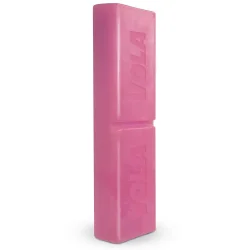
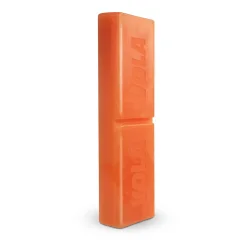
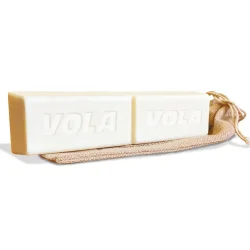
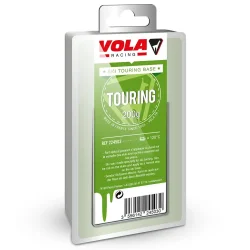
- Push-Wax : For fresh or cold snowApply in thin successive layerse. Smooth with a synthetic cork
- Apply in chevron patterns from the inside out
- Smooth with your hand
- Remove any excess klister from the groove with the appropriate scraper
How to Choose the Right Wax ?
To select the correct wax, base your choice on the air temperature in the shade or, more precisely, the snow temperature.
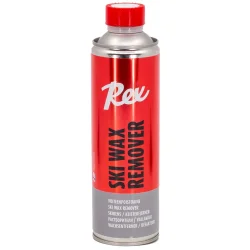
How to properly remove wax ?
To change wax or clean your skis at the end of the season, wax removal is essential:
- Apply liquid wax remover to the grip zone
- Let it sit for 4–5 minutes
- Wipe off with a clean cloth







FAQ : Everything you need to know about cross-country ski waxing
How do I know if my skis need waxing ?
Competitive skiers wax their skis before every training session or race. Recreational skiers should ideally wax at the beginning and end of the season to “nourish” the base while skis are in storage. This process is called summer storage or winterizing.
Why should I scrape hot wax ?
Wax is not a layer you ski on—it needs to penetrate the pores of the base. Any excess wax on the surface slows your glide, so scraping leaves only the wax that actually improves performance.
What's the difference between fluorinated and non-fluorinated wax ?
Fluorine is hydrophobic—it repels water. The wetter the snow, the more effective a fluorinated wax is for faster glide. For recreational use, a universal non-fluorinated wax is usually sufficient.
How often should I wax my cross-country skis ?
On average, hot waxing every 3–4 outings is ideal to protect the base.
If your base starts to turn white (a sign of dryness), it’s urgent to wax..
How do I know if I should use push-wax or klister?
The snow condition determines the choice ! Fresh, dry snow : use push-wax. Melted and refrozen snow (spring snow, large grains): use klister.