



 fr
frHow to choose the right roller skis?

Roller skiing: the essential summer training for cross-country skiers
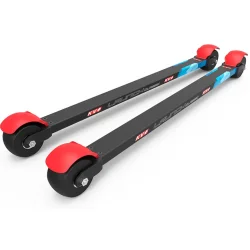
Although “rollerski” means roller skiing, it is sometimes mistakenly associated with inline skating but the difference is quite clear! The length of the roller ski frame, compared to rollerblades, allows for movements that are much closer to those used on snow in Nordic skiing.
Roller skiing is therefore an excellent alternative during the summer period and is especially used by cross-country skiing enthusiasts who want to maintain their technical skills during the off-season. In fact, it represents around 80% of the physical preparation of professional cross-country skiers and biathletes.
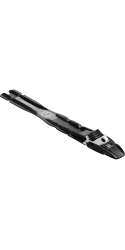
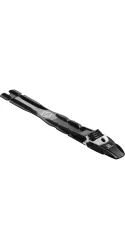
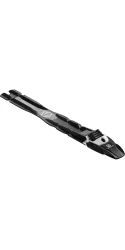
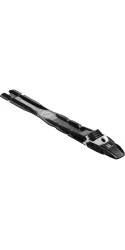
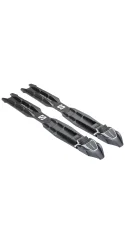
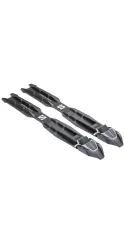
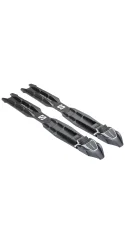
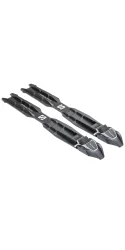
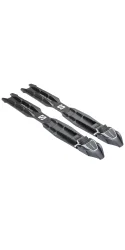
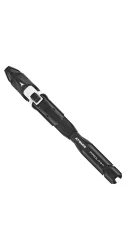
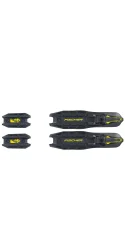
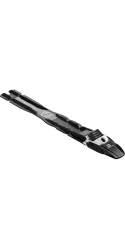
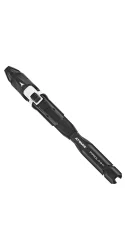
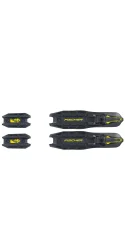
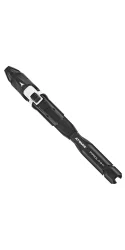
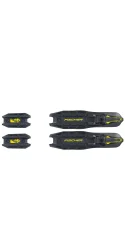
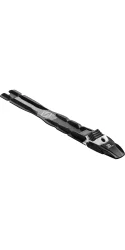
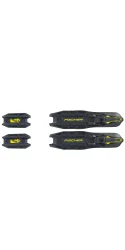
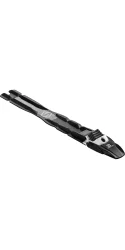
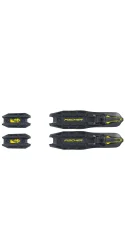
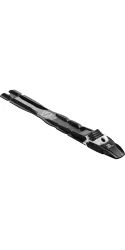
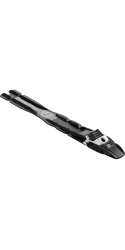
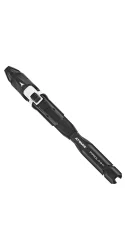
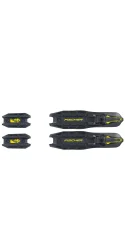
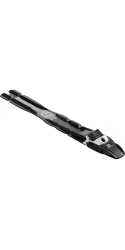
The main advantage? You use the same bindings, cross-country ski boots, and poles as in winter! This is a significant benefit, as it allows you to keep using much of the equipment you already own.
Skating or Classic: which technique should you choose?
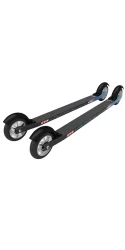
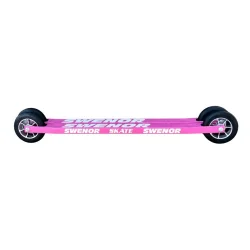
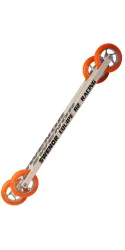
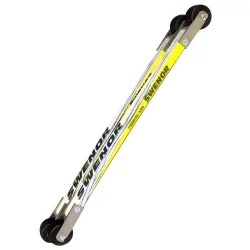
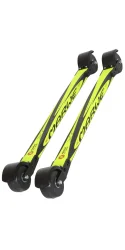
Skating roller skis
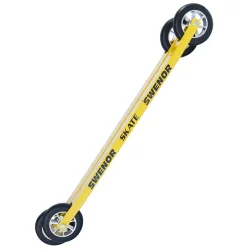
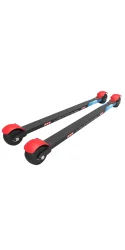
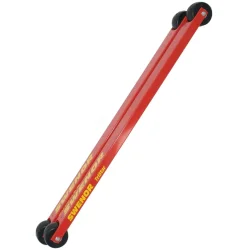
This is the most accessible discipline for beginners. It provides immediate speed sensations thanks to the skating stride. The frame length (distance between the wheel axles) varies depending on your profile:
- Short frame (530 mm): Extremely maneuverable, preferred by juniors, sprint competitors, or for climbing hills. However, it is less stable at high speed.
- Standard (610 mm): The most versatile choice. It offers the best balance between stability and a snow-like feel.
- Long frame (+610 mm): Some brands offer frames up to 720 mm. These models are intended for experienced skiers seeking maximum stability and a foot position identical to cross-country skiing.
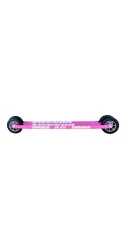
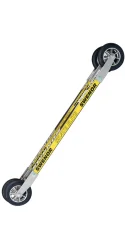
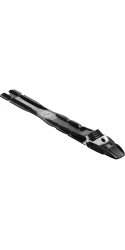
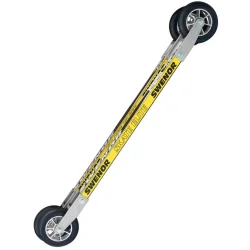
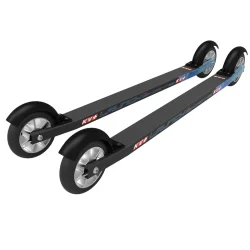
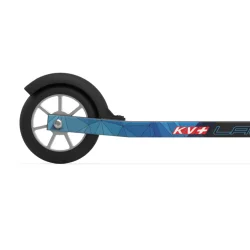
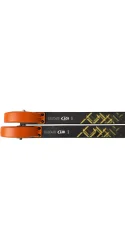
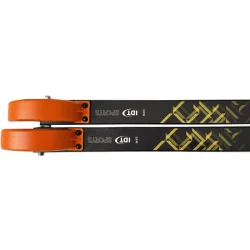
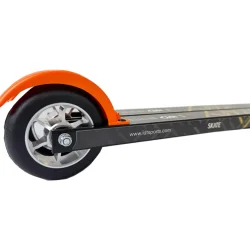
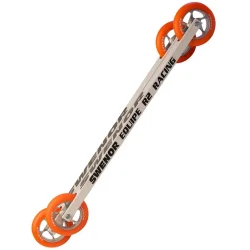
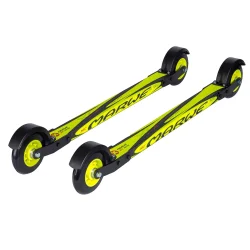
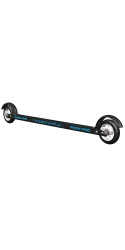
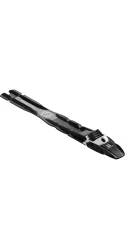
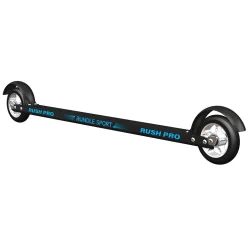
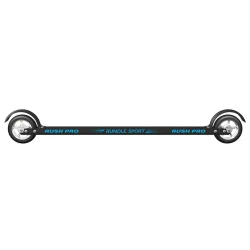
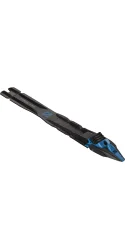
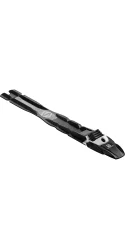
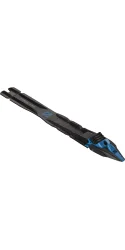
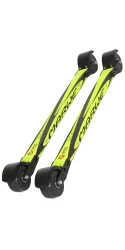
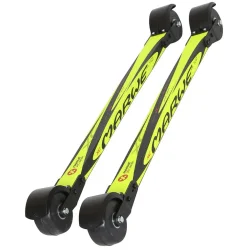
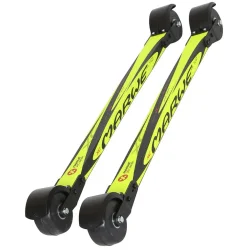
Classic Roller Skis
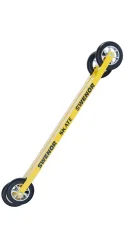
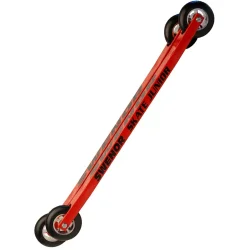
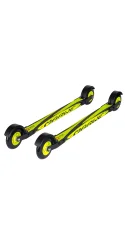
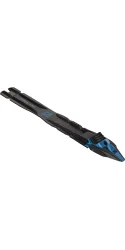
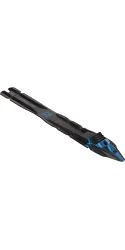
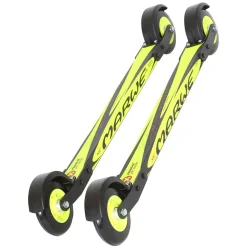
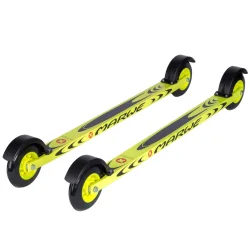
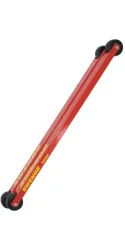
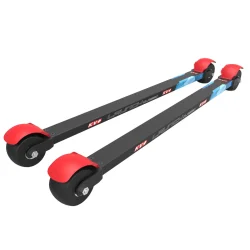
In classic style, the length of the frame is crucial for stability and the quality of the push-off. Unlike skating, the wheels are equipped with an anti-roll-back system (ratchet) that provides grip during propulsion.
600 mm frames: Maneuverability and Responsiveness : Short models (around 600 mm) are particularly maneuverable and lightweight. They are mainly intended for juniors or competitive skiers looking for a responsive ski for specific training sessions or sprint events.
700 mm frames: The Versatile Standard : This is the reference length in classic roller skiing. It offers the ideal balance between stability and glide sensation. It is the recommended choice for most skiers who want to replicate the feel of cross-country skiing in winter while maintaining optimal control on asphalt.
710 mm frames and longer: Technique and Maximum Stability : These long frames are designed for experienced skiers. The longer the frame, the more stable the ski is at high speed, but it also becomes more demanding to handle. These models require precise technical work (body positioning, weight transfer) to closely simulate the behavior of cross-country skis on snow.
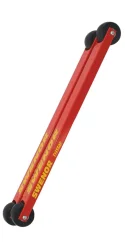
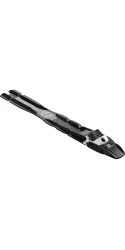
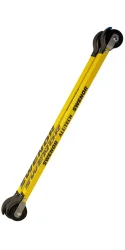
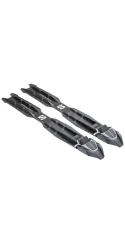
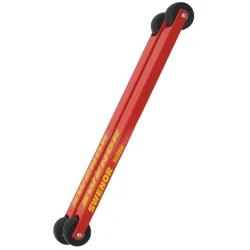
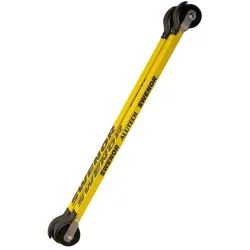
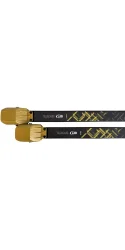
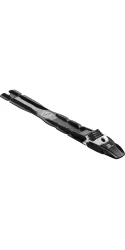
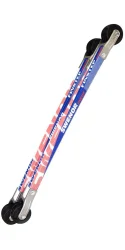
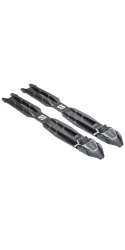
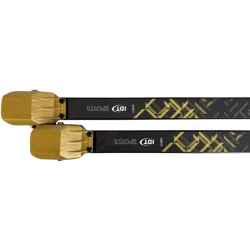
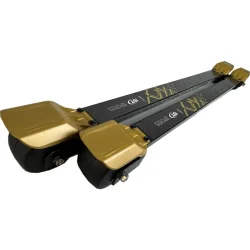
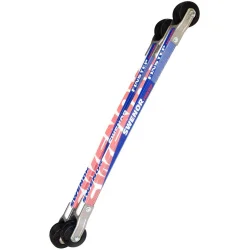
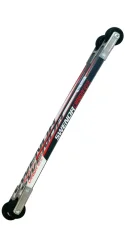
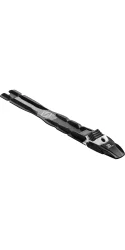
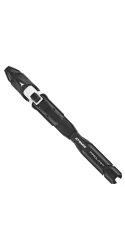
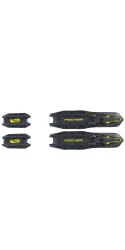
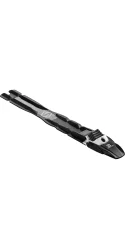
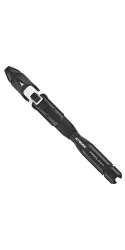
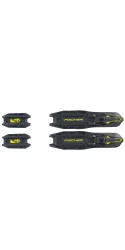
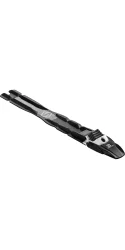
Aluminum or Composite : which frame should you choose?
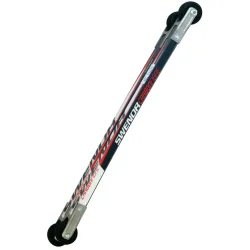
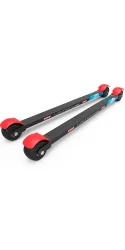
The material of the frame (chassis) directly influences comfort and ski behavior.
- Aluminum frame: Known for its durability and stiffness. It is the ideal choice for intensive use or on wet surfaces. For added safety, lowered frames are often used to reduce the center of gravity.
Drawback: it transmits more vibrations from the asphalt. - Composite / Wood frame: Designed to absorb shocks, it offers superior comfort while gliding. The “flex” (rebound) is very close to that of a real cross-country ski, making training smoother and less stressful on the joints.
Wheel choice: manage your training speed
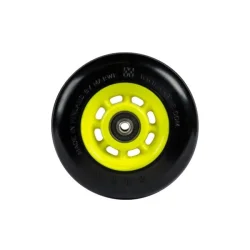
Wheels are the “engine” of your roller skis. They determine rolling resistance:
- Slow wheels (Index 3): They simulate cold snow or poorly waxed skis. Ideal for strength training and competitive athletes.
- Standard wheels (Index 2): The most common default setup. They provide a natural glide feel (“well-waxed skis”) for immediate enjoyment.
- Fast wheels (Index 1): Reserved for competition, hill climb records, or speed sessions. Be careful—they require excellent braking control!
At Worden, you’ll find a wide selection of roller skis from top brands such as Swenor, Marwe, Rundle, and Fischer.
What accessories are needed for roller skiing?
To practice roller skiing safely, a few accessories are essential:
- Helmet: A standard cycling helmet is perfect. It should be lightweight and well ventilated.
- Poles: You can use your winter poles, but you must replace the baskets with special carbide tips for roller skiing, which are much more resistant to asphalt wear.
- Protection: We recommend wearing light gloves and, for beginners, elbow pads and knee pads.
Worden expertise, take advantage of expert advice in-store for mounting your bindings!