


 fr
frHow to choose correctly your running shoes ?
Whether you're a beginner or preparing for your racing season, one question always comes up: which shoe is actually made for me? At WORDEN Running Conseil, we know that a good pair isn't just about looks or price. It's the tool that will protect your joints, optimize your stride, and, above all, skyrocket your enjoyment!
Here is the WORDEN guide to making the right choice!
1. Road or Trail ?
This is the first and most important criterion. The shoe depends entirely on it.
On the Road :
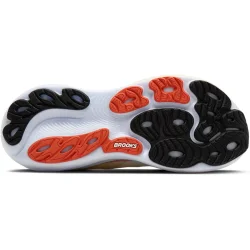
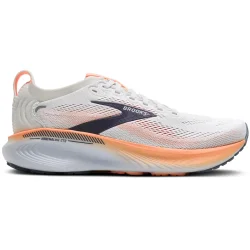
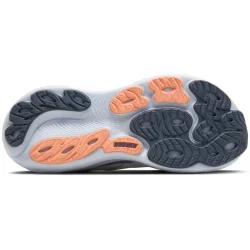
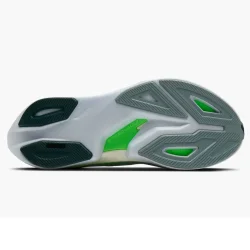
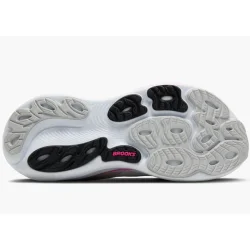
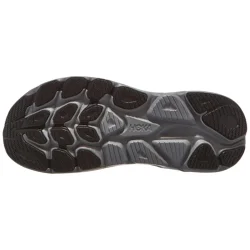
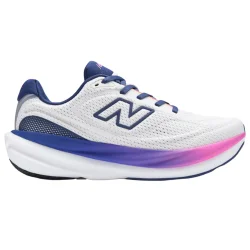
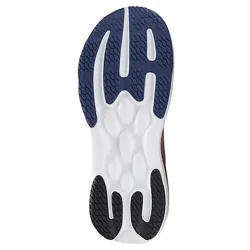
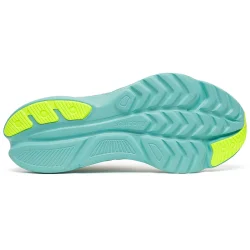
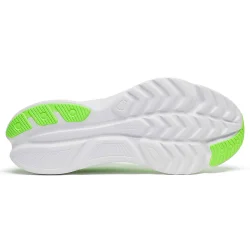
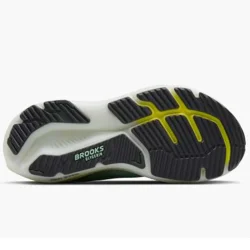
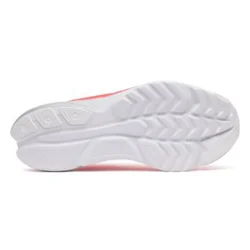
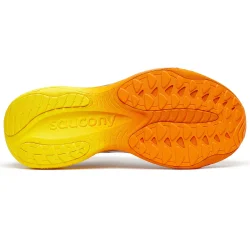
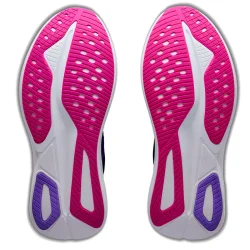
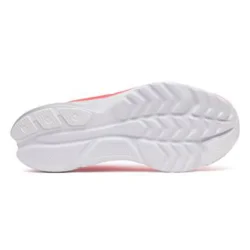
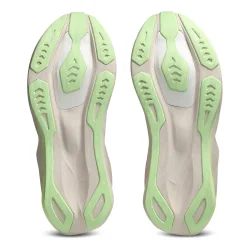
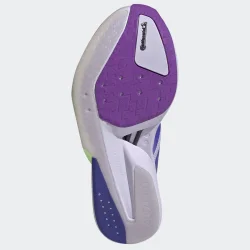
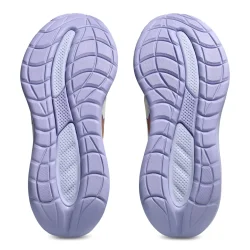
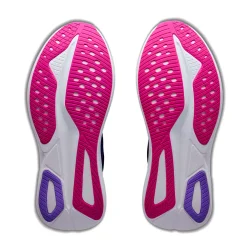
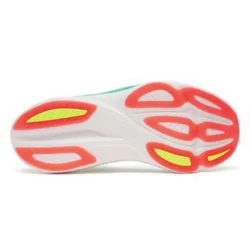
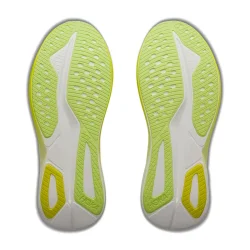
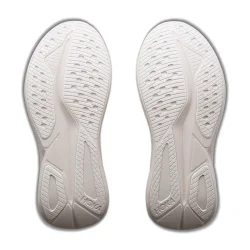
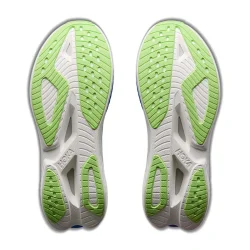
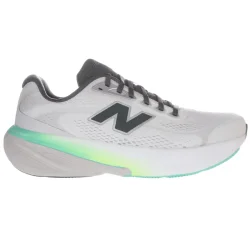
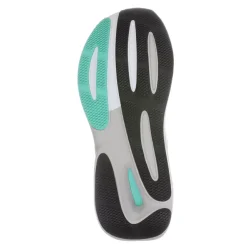
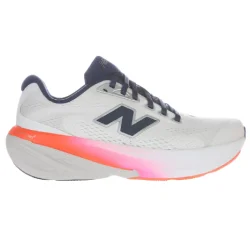
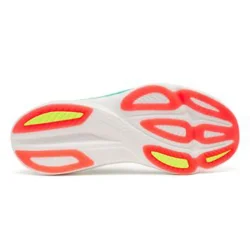
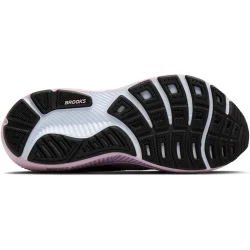
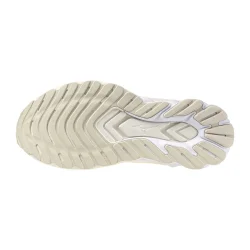
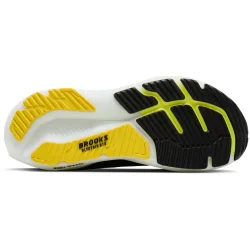
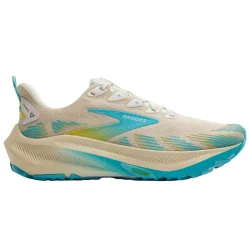
Focus on cushioning to absorb shocks on the asphalt and lightness for dynamism! The sole is usually smoother to maximize grip on hard surfaces.
Ask yourself: Are you looking for speed (5K, 10K) or comfort for a half-marathon or marathon?
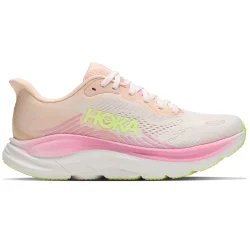
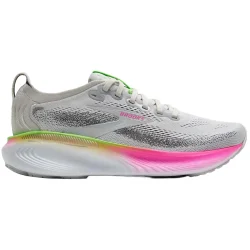
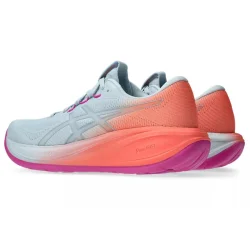
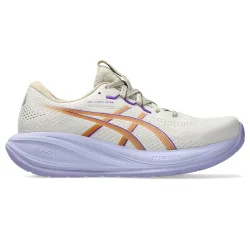
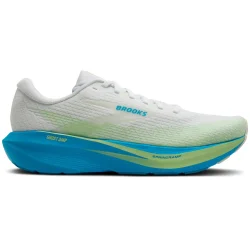
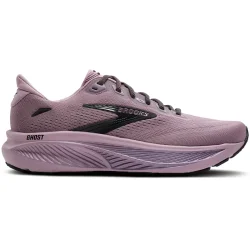
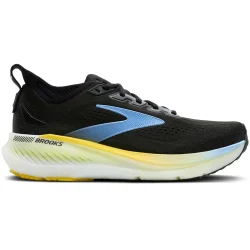
For long runs or Easy Runs (Zone 2): Opt for a comfortable shoe with soft cushioning (injected foam). Don't hesitate to choose a wider fit.
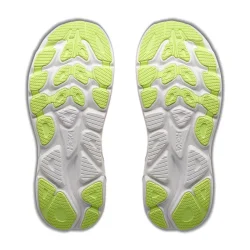
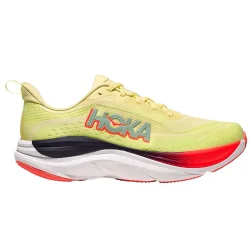
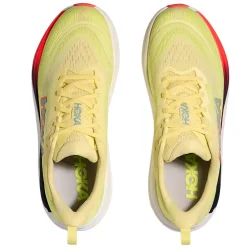
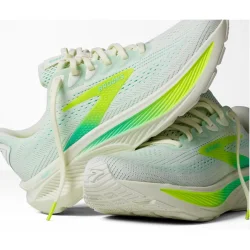
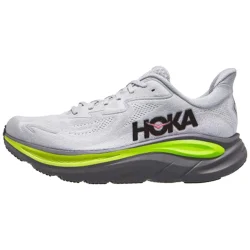
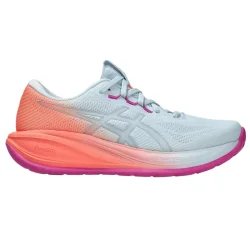
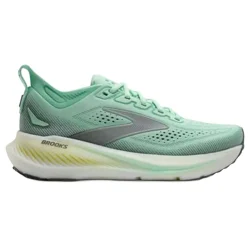
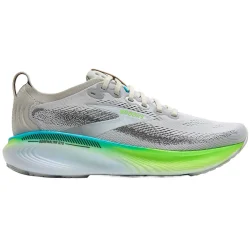
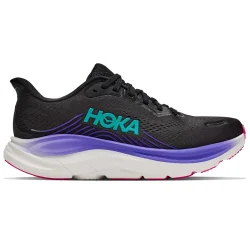
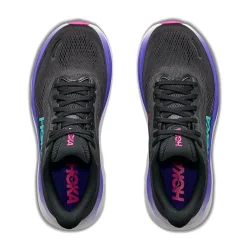
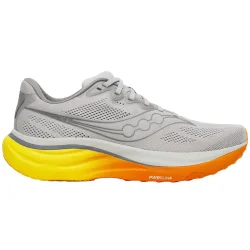
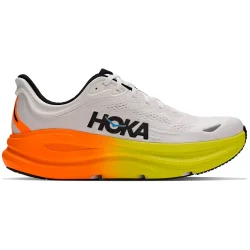
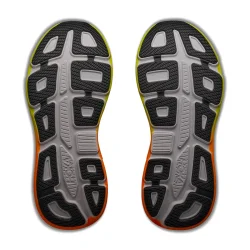
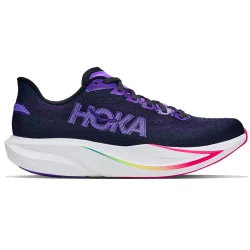
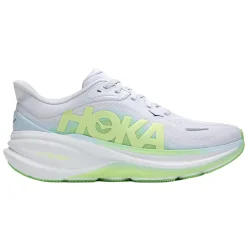
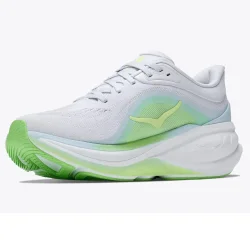
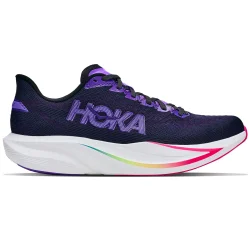
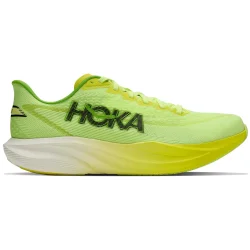
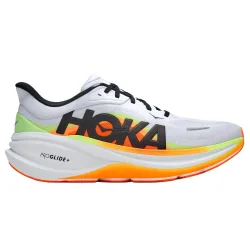
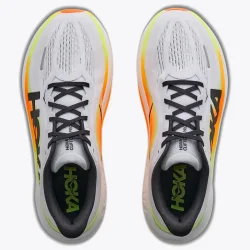
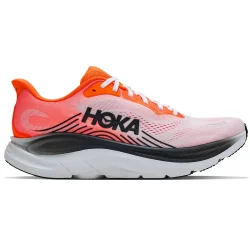
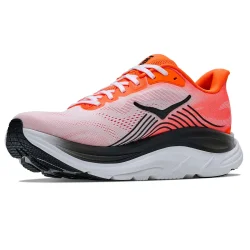
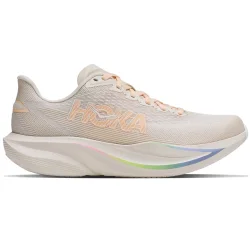
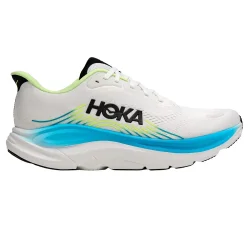
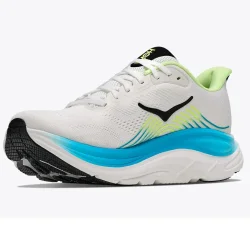
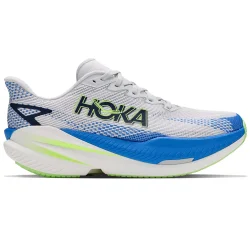
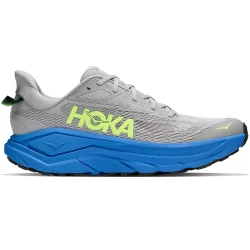
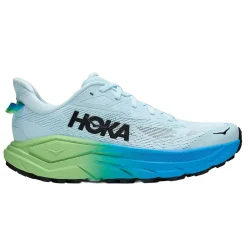
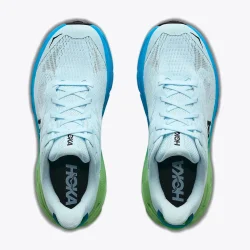
Flagship ranges: The Nimbus range for absolute comfort, or HOKA for exceptional cushioning.
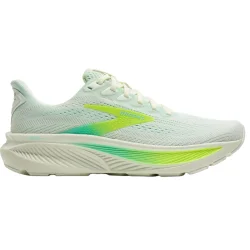
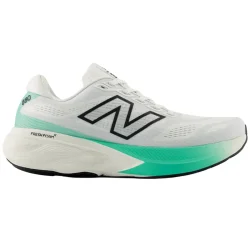
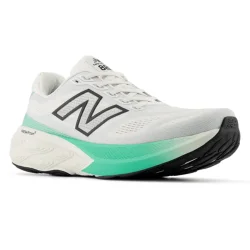
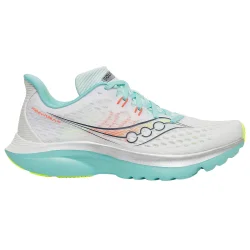
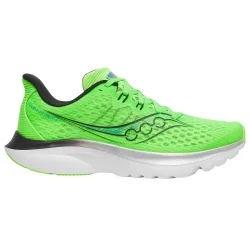
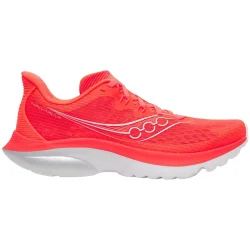
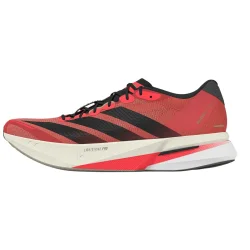
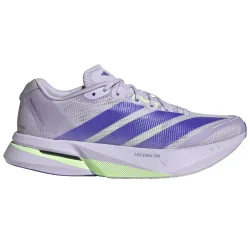
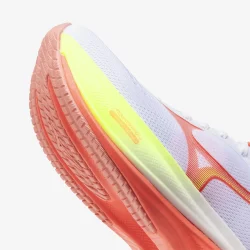
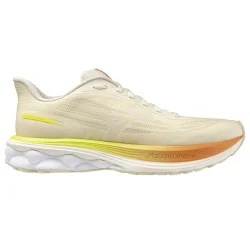
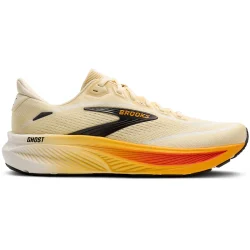
For dynamic sessions and training: Prioritize lightweight shoes!
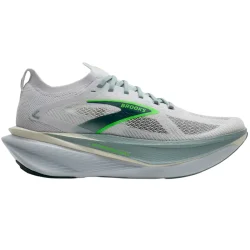
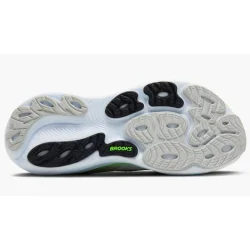
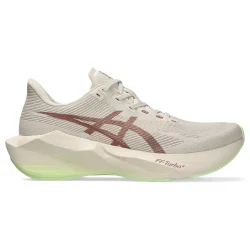
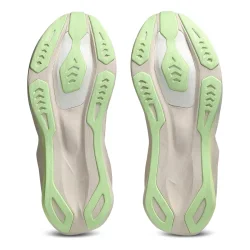
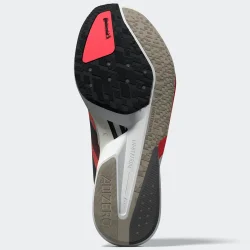
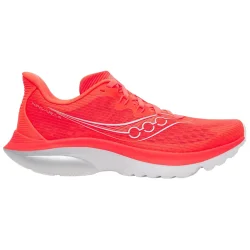
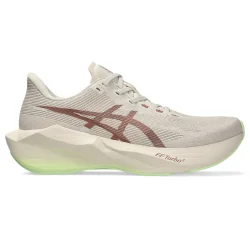
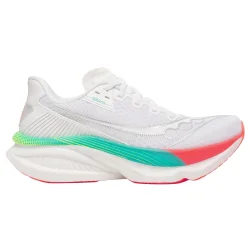
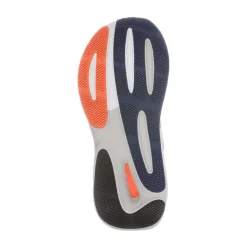
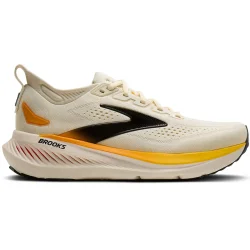
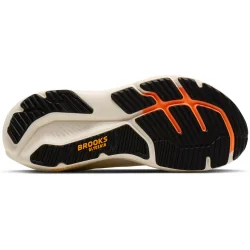
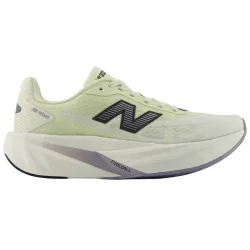
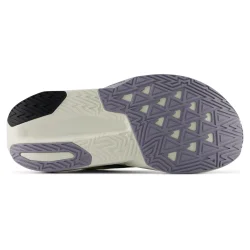
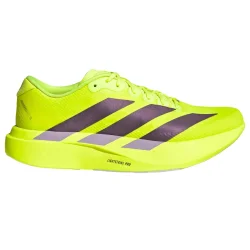
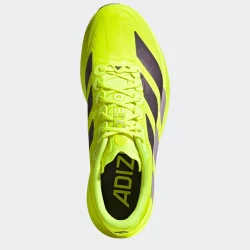
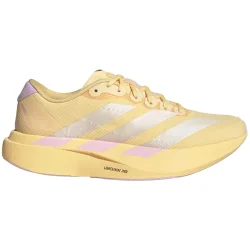
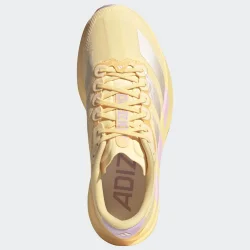
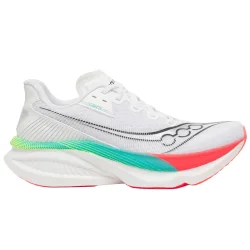
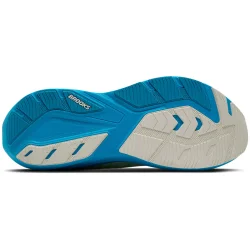
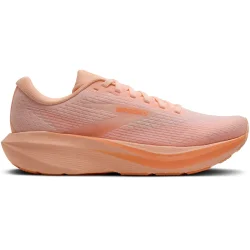
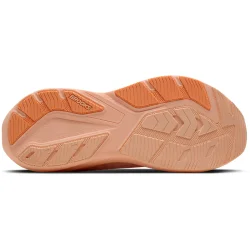
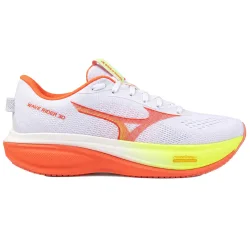
Flagship ranges: The Hyperion, Kinvara, or Adios 9 models. These offer better footwork and less cushioning—ideal for intervals or race days.
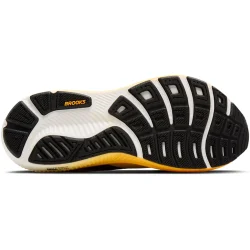
Gravel :
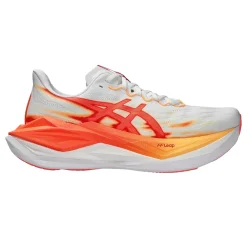
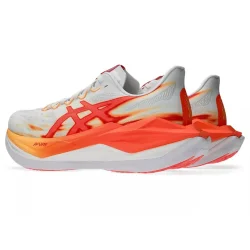
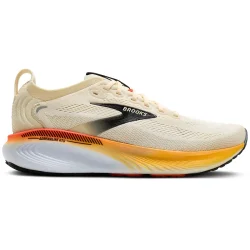
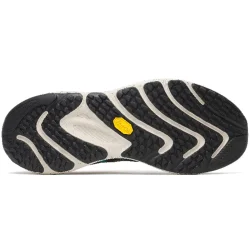
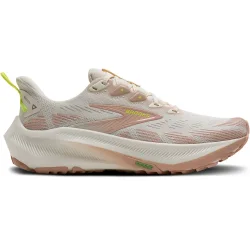
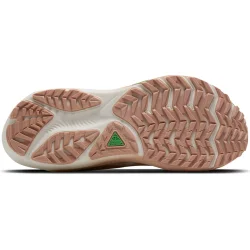
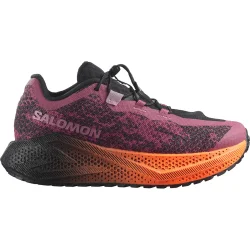
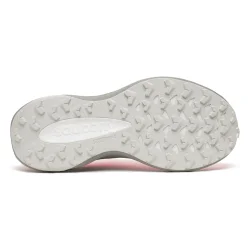
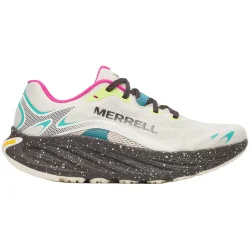
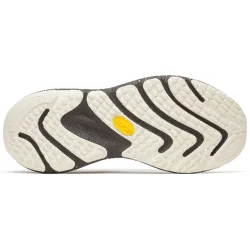
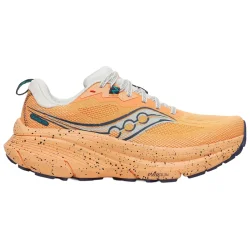
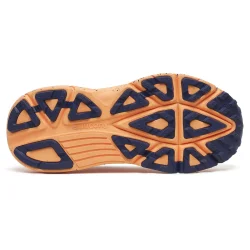
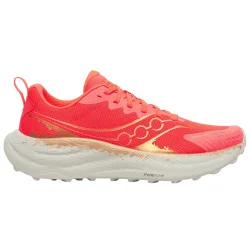
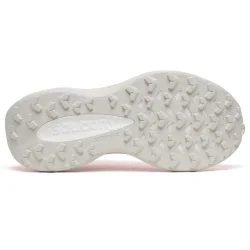
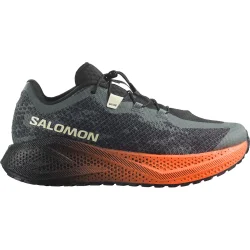
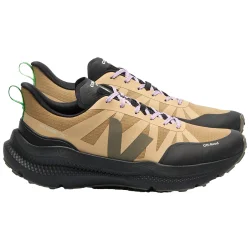
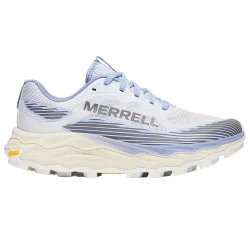
Gravel shoes are designed to offer total versatility! They are the perfect choice if your usual route is a 50/50 mix of road and marked trails.
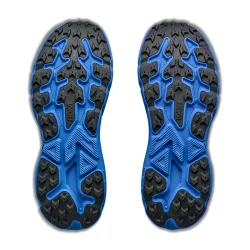
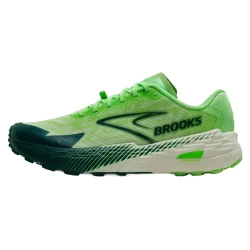
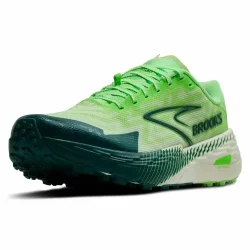
> The Hoka Challenger range: This is the absolute benchmark! It maintains the generous cushioning and lightness of a road shoe but features tightly spaced 4 mm lugs. This provides grip on trails without the discomfort or premature wear of the lugs on asphalt.
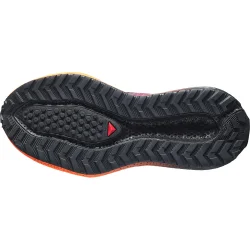
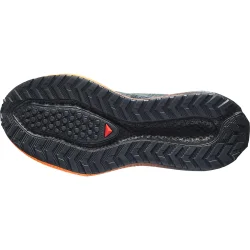
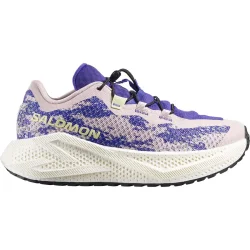
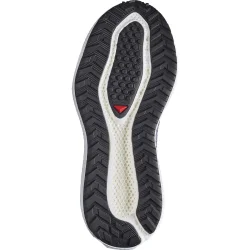
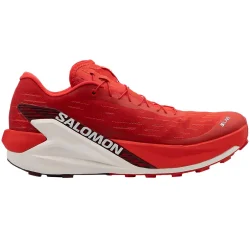
> The Salomon Gravel range: Salomon offers more structured shoes with a precise fit. They provide a smooth transition on hard surfaces while ensuring the necessary protection as soon as the terrain becomes unstable or rocky.
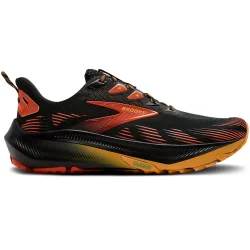
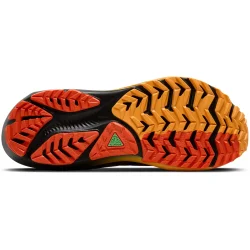
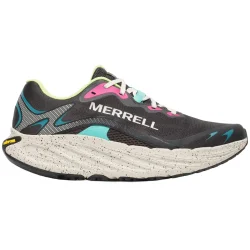
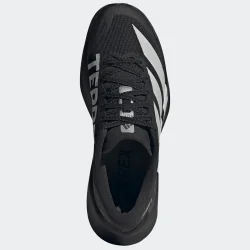
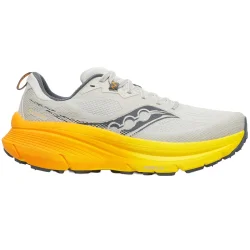
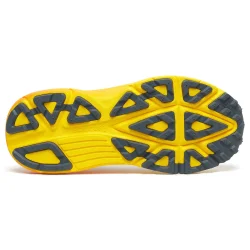
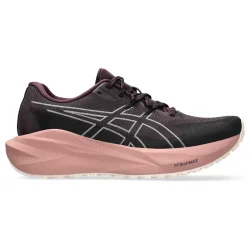
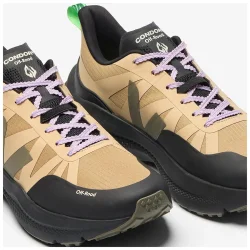
On Trail :
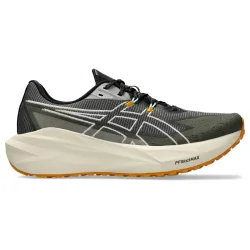
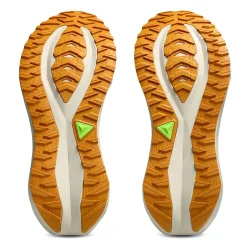
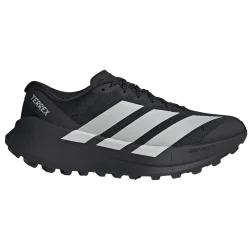
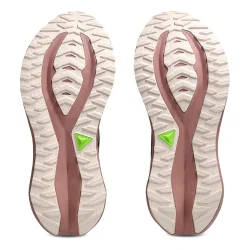
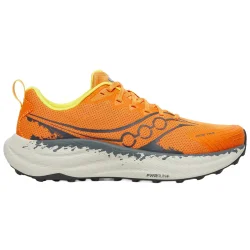
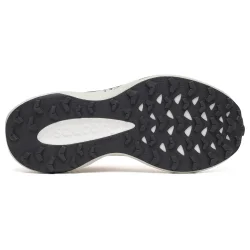
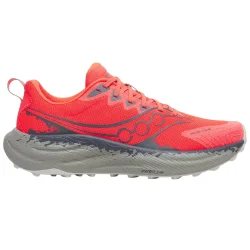
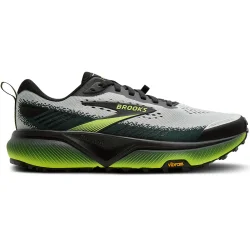
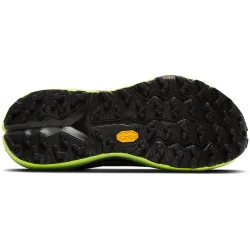
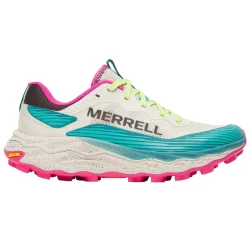
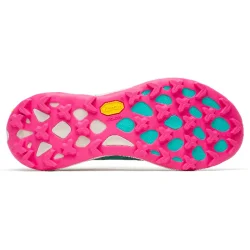
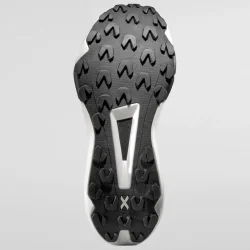
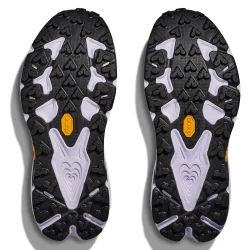
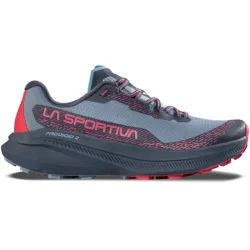
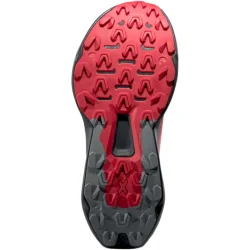
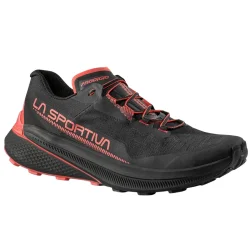
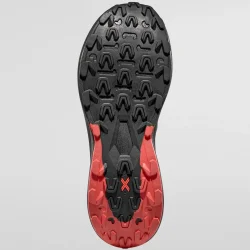
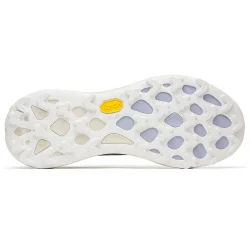
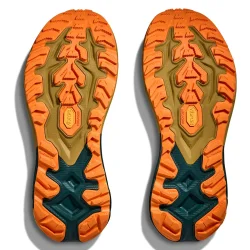
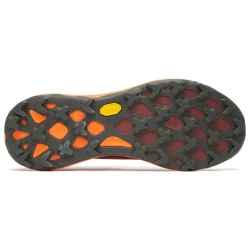
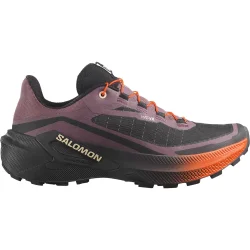
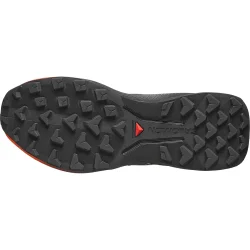
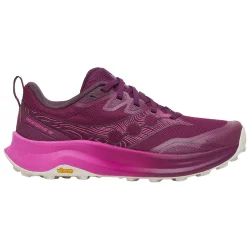
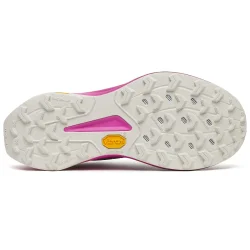
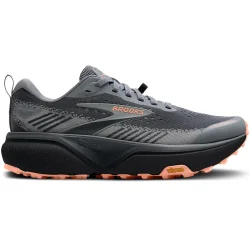
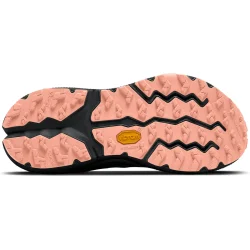
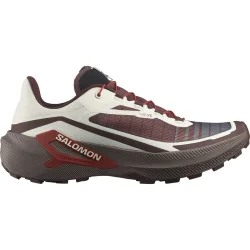
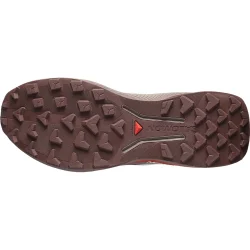
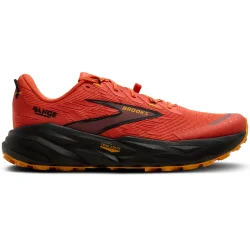
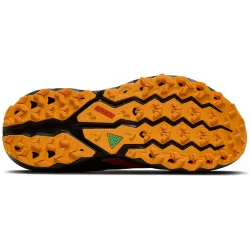
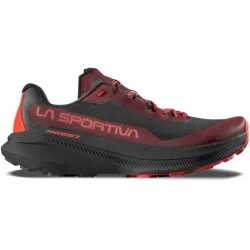
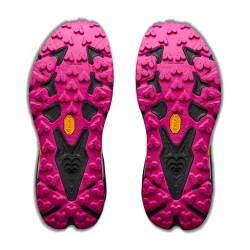
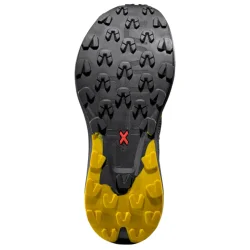
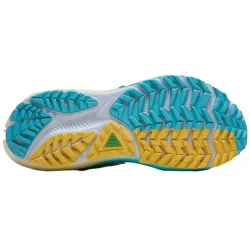
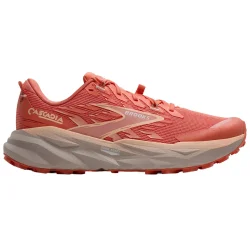
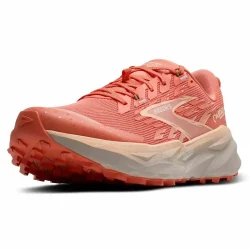
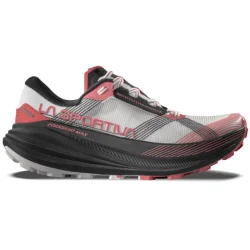
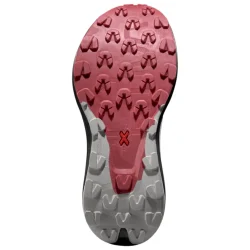
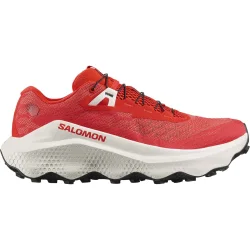
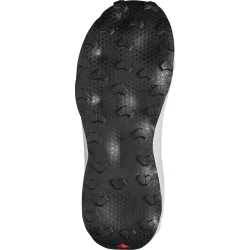
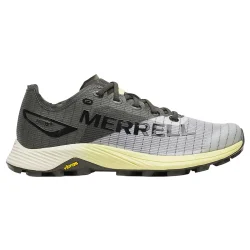
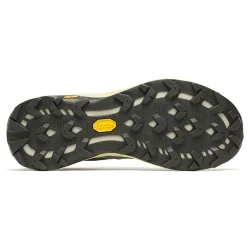
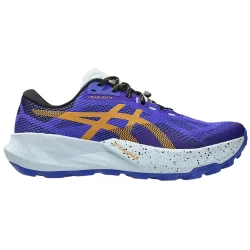
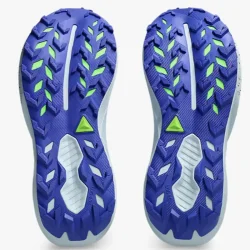
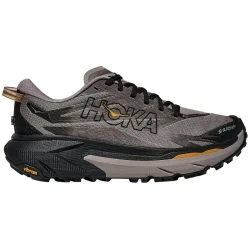
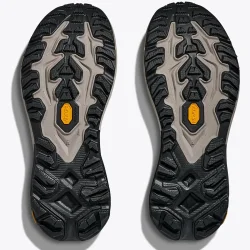
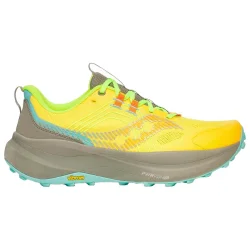
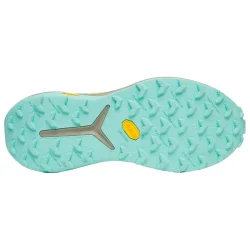
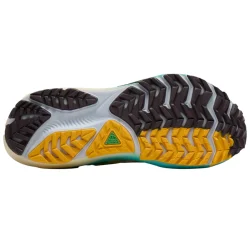
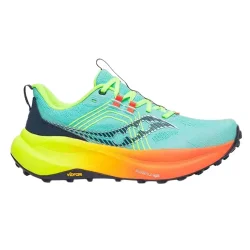
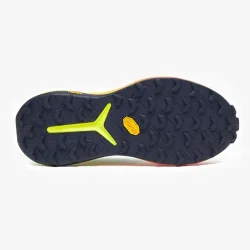
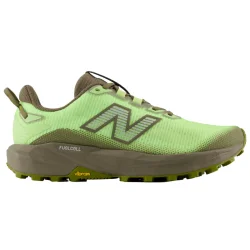
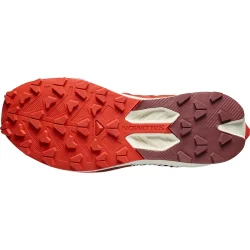
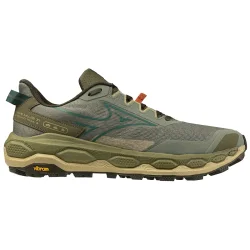
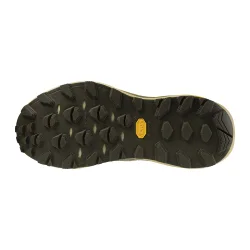
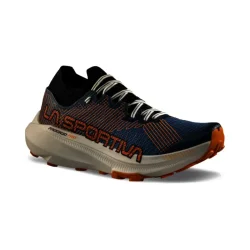
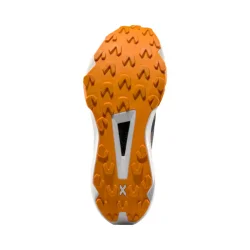
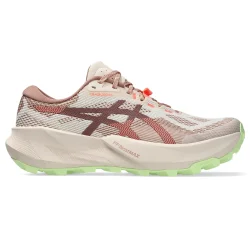
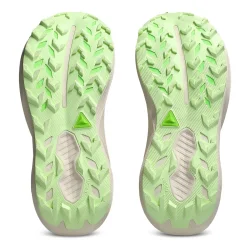
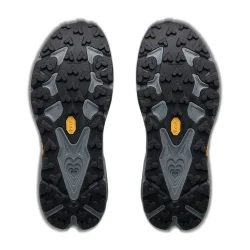
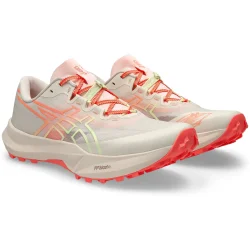
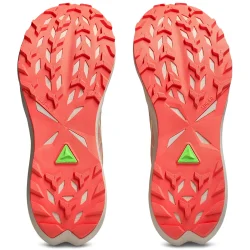
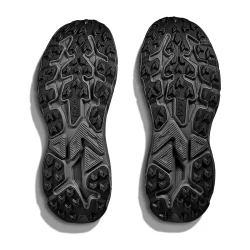
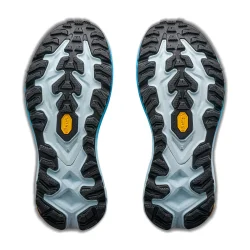
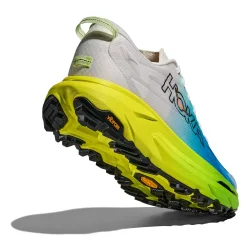
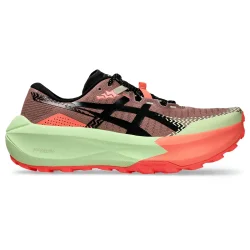
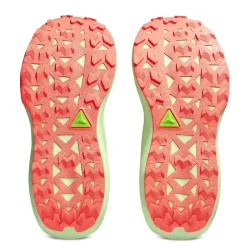
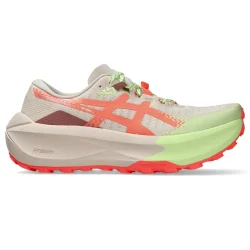
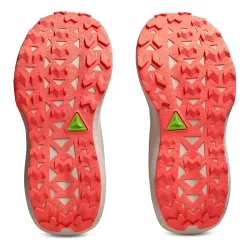
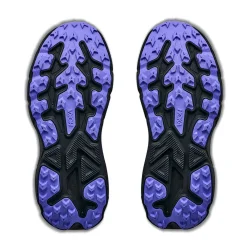
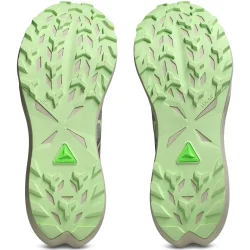
Here, we look for: cushioning, comfort, and above all, grip (lugs) and protection (stone guards)! The sole is also stiffer to stabilize the foot on uneven terrain (rocks, roots, etc.).
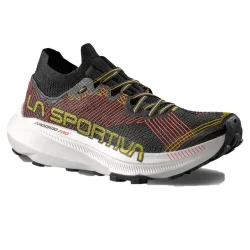
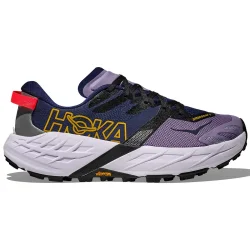
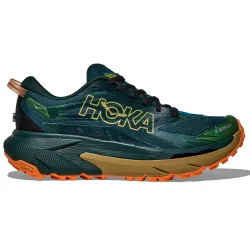
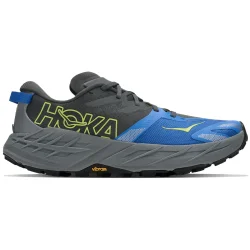
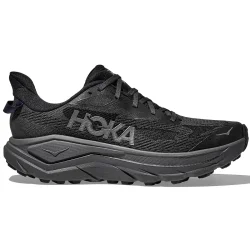
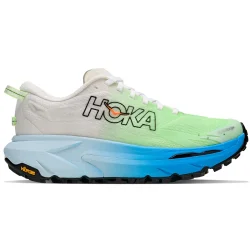
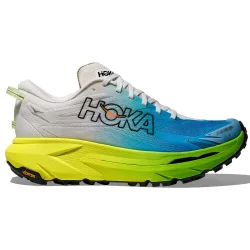
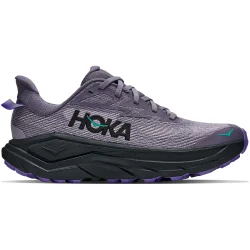
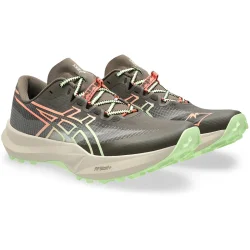
The HOKA Speedgoat range for its versatility, the La Sportiva brand for mountain technicality, and the SALOMON Genesis range!
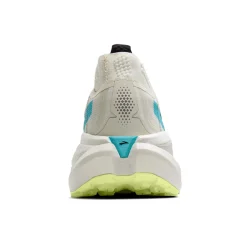
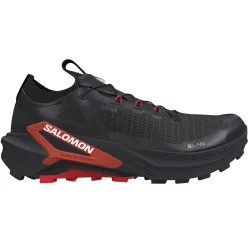
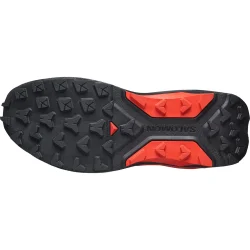
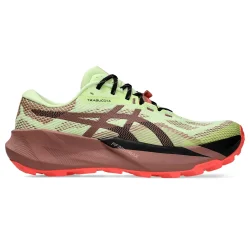
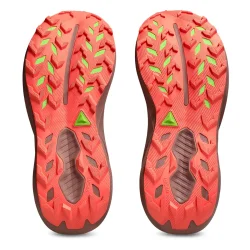
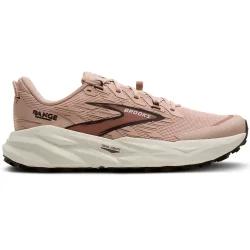
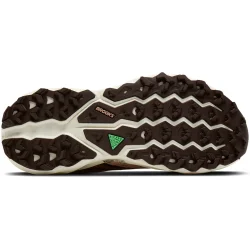
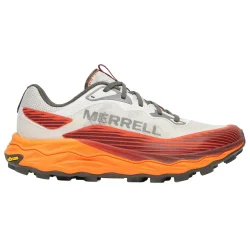
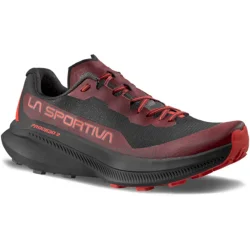
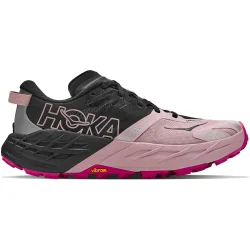
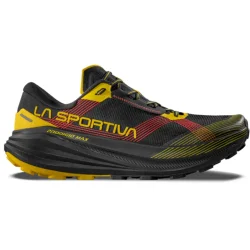
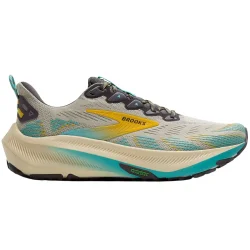
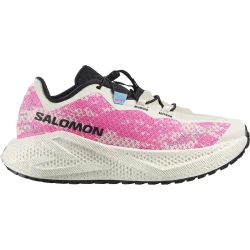
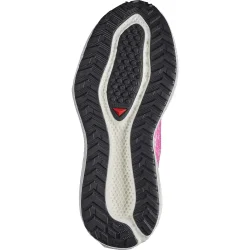
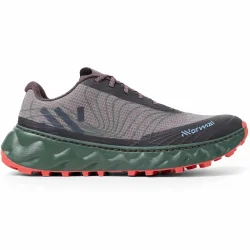
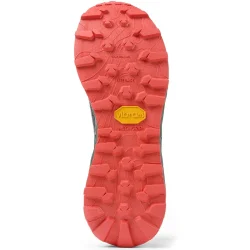
Plated Shoes: Nylon or Carbon, which to choose?
Once reserved for elite athletes, plated shoes are becoming increasingly accessible to everyone!
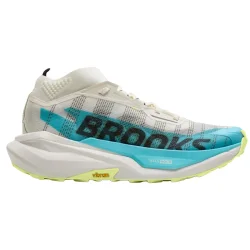
> Carbon Plate: Carbon doesn't "create" energy; it minimizes energy loss during your stride. It acts as a rigid lever that pivots the foot forward. It is ideal for runners chasing a personal best who already have a well-established mid-foot strike.
> Nylon Plate: Nylon is more flexible. It offers that dynamic "kick" without the extreme rigidity that can fatigue calves and Achilles tendons over the long term. Perfect for those who want daily speed without sacrificing comfort!
2. Your Foot Morphology
This is where expert advice makes all the difference. There is no such thing as the "best shoe", there is only the shoe that fits your foot! Wearing shoes that are too wide or too narrow significantly increases your risk of injury.
Width (Toe-box): Some runners have wide feet or need space for their toes to splay (especially over long distances). Certain brands offer different width options for the same model.
The Instep: If you have a high instep (the top part of your foot is arched), watch out for rigid tongues or "sock-like" uppers (such as some Adidas Adizero models) which could restrict circulation.
3. Sizing : Forget your usual shoe size
While running, your foot flattens and swells due to effort and heat. Often, you need to choose half a size, or even a full size, larger than your city shoes. Ideally, you should be able to fit a thumb's width (about 1 cm) between your toes and the end of the shoe. Note: This also depends on whether you have wide or narrow feet and your tendency to swell.
4. Understanding the "Drop"
The drop is the height difference (in mm) between the heel and the forefoot.
- High Drop (8 to 12 mm): Relieves the Achilles tendon and calves. Ideal for heel striker
- Low Drop (0 to 6mm) : Encourages a natural stide on the forefoot. Warning : this requires a progressive transition to avoid calf injuries !
5. Stride Type
- Neutral : Your foot stays well-aligned. Most shoes will suit you.
- Pronator : Your foot rolls inward (very common). You need models with stability support.
- Supinator : Your foot tilts outward (rarer). Opt for a neutral shoe with excellent cushionng.
Note: If you wear custom orthotics, always choose neutral shoes to let your insoles do their corrective work.
6. Distance and Frequency : What is your profile ?
| Distance & Usage | Priority | Models |
| Shorts runs, Intervals, Tempo | Reactivity & Comfort | Speed models |
| Marathon & Long Runs | Cushioning & Comfort | Models with premium foams |
| Ultra-Trail | Protection, Cushioning, Comfort & Stability | Wide and comfortable soles |
Why Choose Running Conseil at La Ravoire-Chambéry ?
Buying online is good; being advised by experts who actually run is even better! On our Worden.fr online store, every product sheet is detailed to help you find that rare gem.If you don't already have a preferred brand or model, we recommend buying in-store. Being able to touch the material, feel the sole, and test the shoe to confirm your feelings will save you from disappointment (and return shipping).
If you visit us at the WORDEN Running Conseil shop in La Ravoire, we can analyze your stride using a SIDAS machine for a precision fit. The truth is simple: nothing replaces physically trying on the shoes!
In summary: Don't choose the fastest shoe on the market; choose the one you forget you're wearing!