

 fr
frHow to choose the right Cross-Country ski outfit?
That’s it—you’ve decided that this season you’re getting into cross-country skiing! Boots, skis and poles bought, you head out full speed ahead. But after the first outing, something feels off: you were too cold, too hot, or sweating way too much. This is exactly what can happen if your choice of cross-country ski clothing isn’t well thought out.

Cross-country skiing, also known as Nordic skiing, is an endurance sport where the body is constantly in motion. Unlike alpine skiing, the effort is more intense and more continuous, and managing body temperature becomes a real challenge.
Dressing poorly for cross-country skiing means risking:
-
being too cold after the effort
-
overheating on climbs
-
staying damp due to poor sweat wicking
Choosing the right cross-country ski outfit is essential for comfort, performance, and enjoyment.
In this guide, we explain how to dress from head to toe, depending on your level, intensity, and weather conditions.
Why is cross-country skiing clothing specific?
In cross-country skiing, the body produces a lot of heat. The real challenge isn’t just staying warm, but finding the right balance between insulation and breathability.
Cross-country ski clothing is designed to:
-
block the wind at the front (speed effect)
-
efficiently wick sweat away at the back
-
offer great freedom of movement
-
limit moisture buildup
That’s why most Nordic outfits follow the three-layer system, especially for the upper body.
The 3-layer system in cross-country skiing: the key to comfort
The three-layer system allows you to adapt your outfit to the intensity of the effort and the weather conditions.
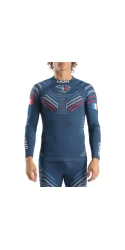
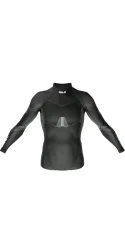
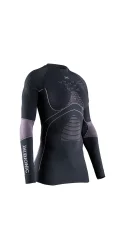
The first layer: wicking away perspiration
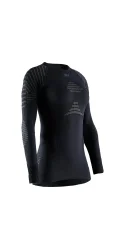
The first layer is worn directly against the skin. Its role is simple but essential: to wick away moisture produced by effort.
A good base layer:
-
stays dry
-
prevents the feeling of cold
-
reduces chafing
The materials used are hydrophobic (synthetic or natural, such as merino wool). The choice mainly depends on your personal comfort and sensitivity to cold.
Second Layer: Insulate Without Overheating
The second layer’s job is to retain body heat while continuing to transfer moisture outward.
It can take different forms:
-
lightweight fleece
-
thermal jacket
-
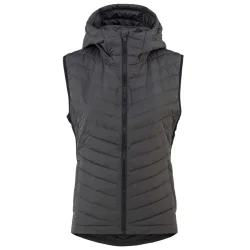
thin insulated jacket
The thicker the layer, the more critical breathability becomes. In cross-country skiing, it’s often better to choose moderate insulation with very high breathability.
Third Layer: Protection from the Elements
The third layer acts as a barrier against:
-
wind
-
snow
-
external moisture
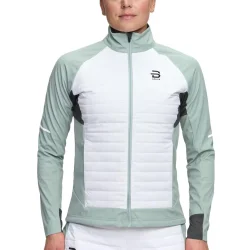
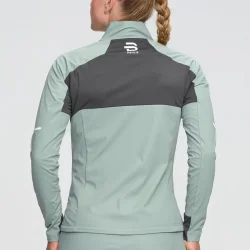
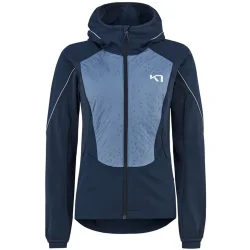
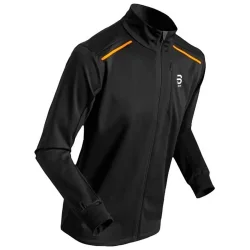
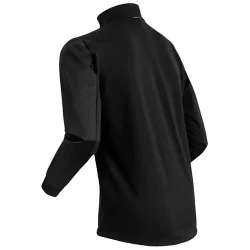
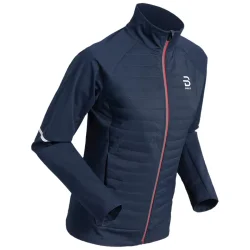
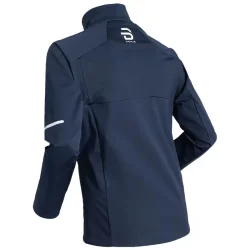
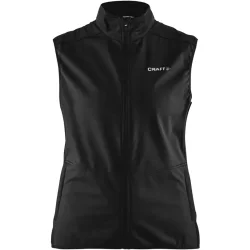
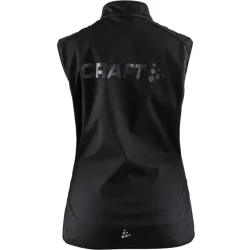
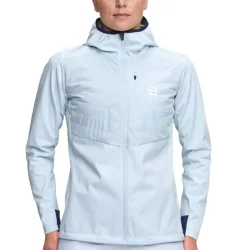
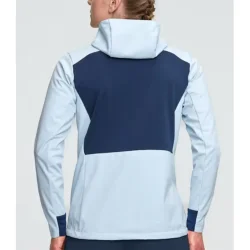
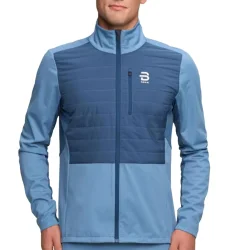
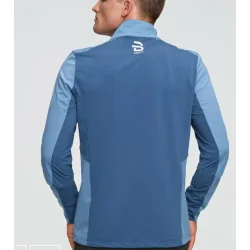
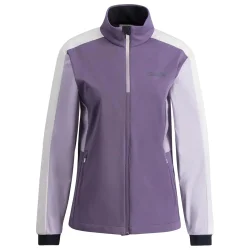
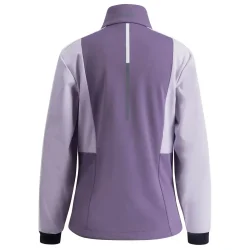
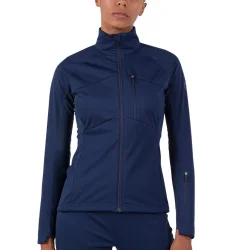
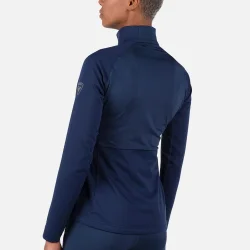
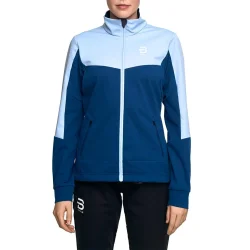
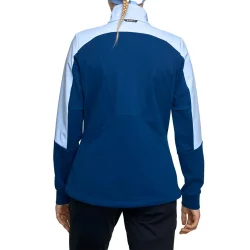
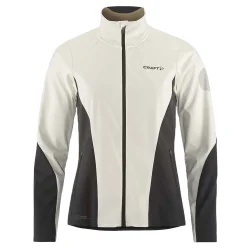
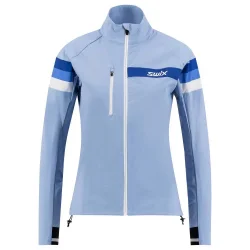
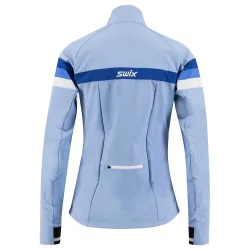
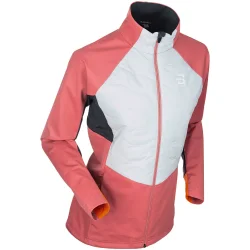
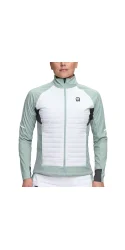
In cross-country skiing, this layer is very often integrated into the main jacket to avoid unnecessary layering.
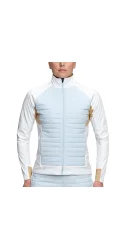
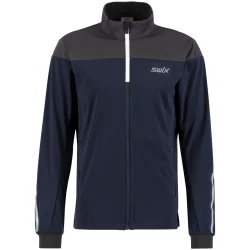
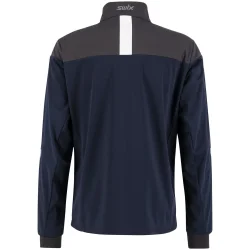
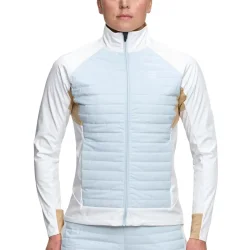
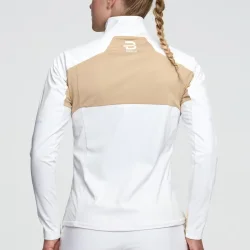
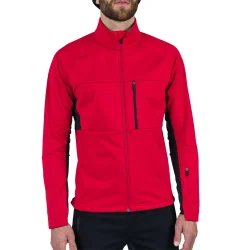
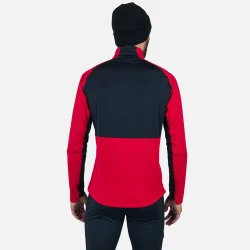
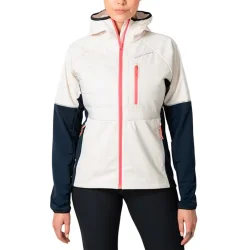
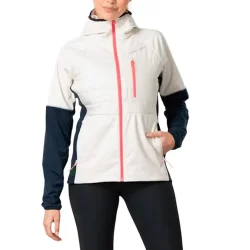
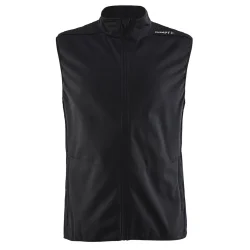
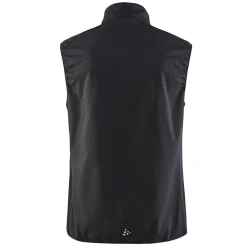
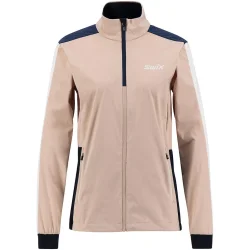
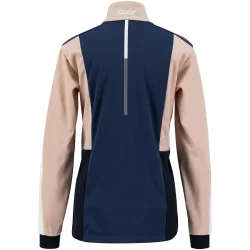
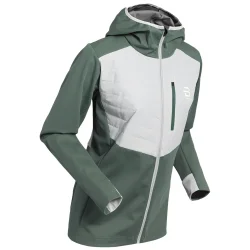
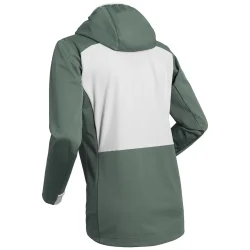
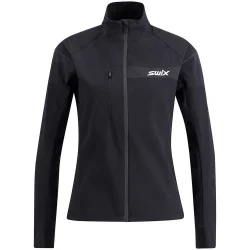
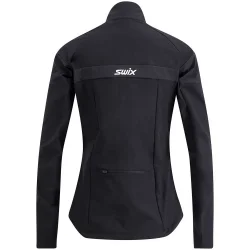
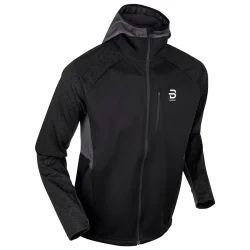
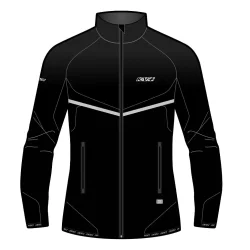
A good cross-country ski jacket should be:
-
windproof at the front
-
breathable at the back
-
water-repellent (rather than heavily waterproof)
-
stretchy to follow movement
Most cross-country ski clothing is designed this way. The goal: protect where it’s necessary and breathe where the body works the hardest.
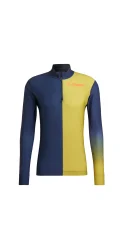
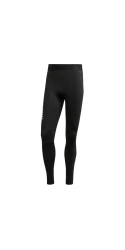
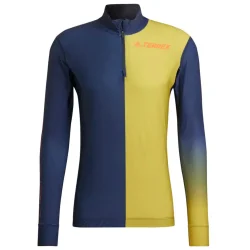
How should you dress for your lower body?
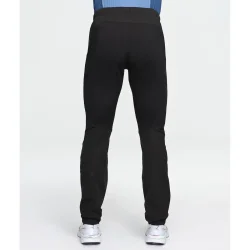
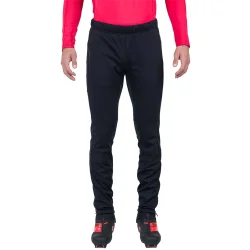
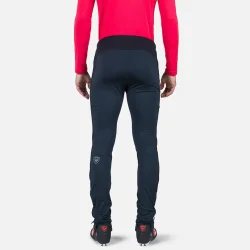
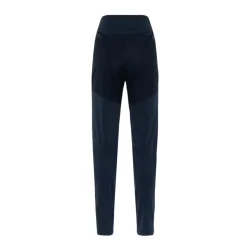
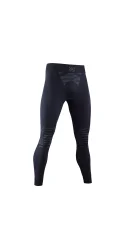
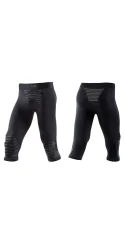
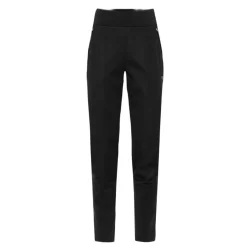
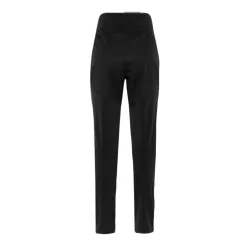
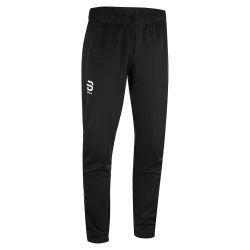
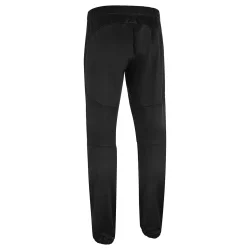
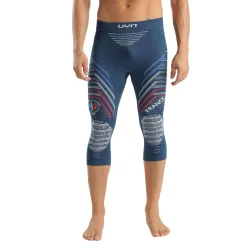
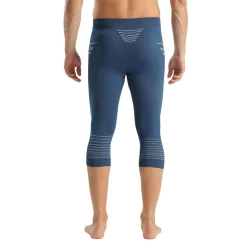
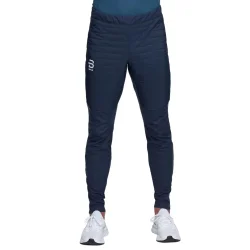
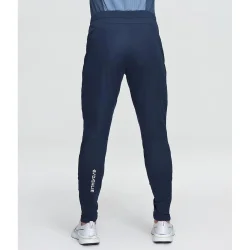
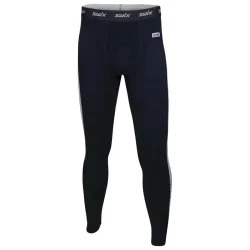
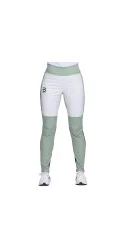
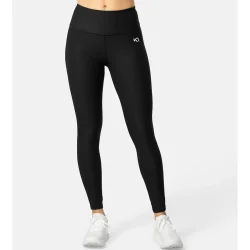
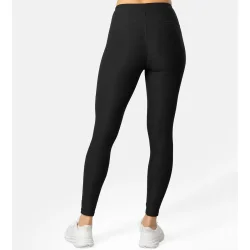
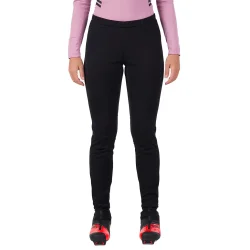
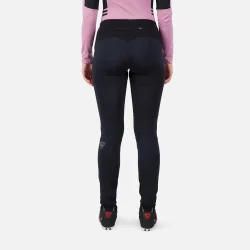
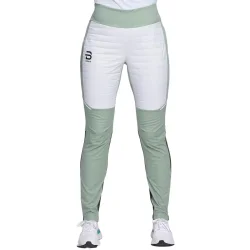
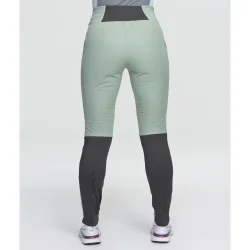
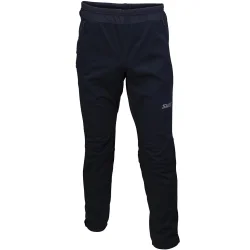
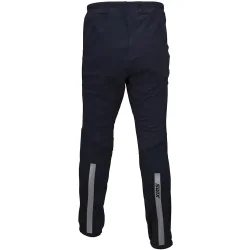
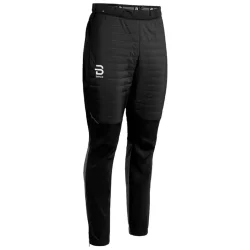
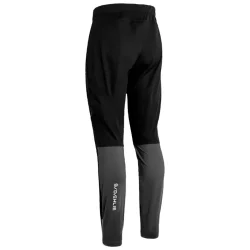
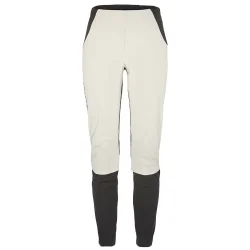
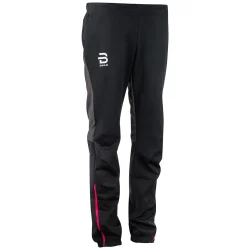
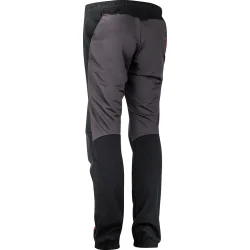
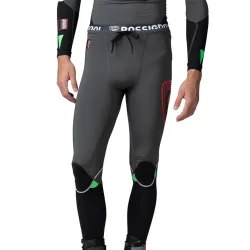
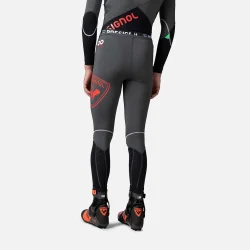
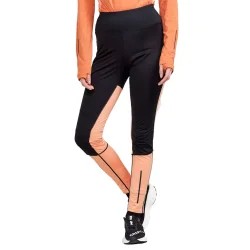
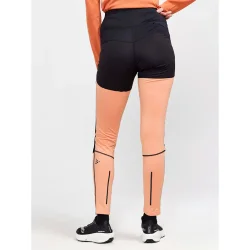
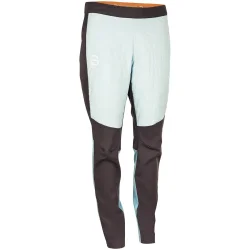
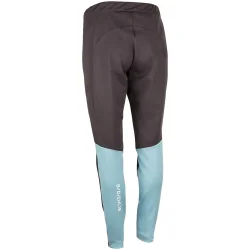
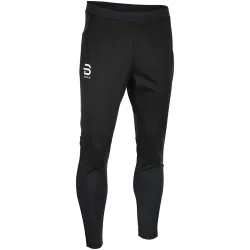
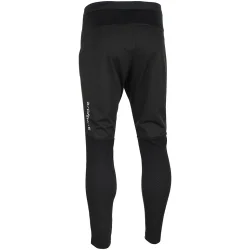
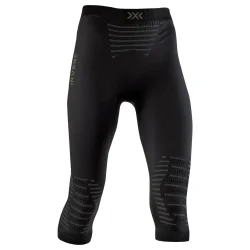
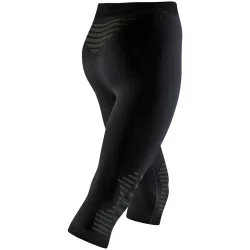
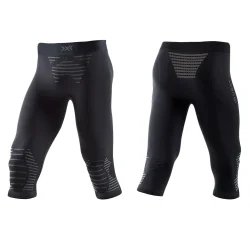
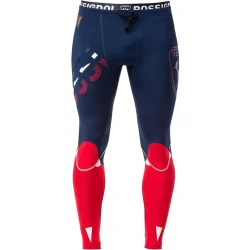
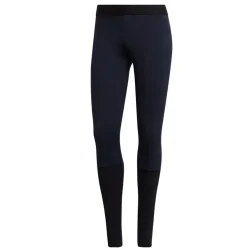
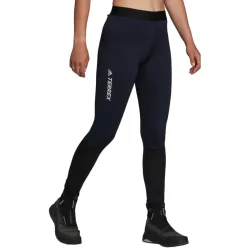
When cross-country skiing, your legs generate a lot of heat. It is therefore essential not to wear too many layers; one or two layers are usually sufficient.
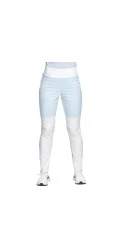
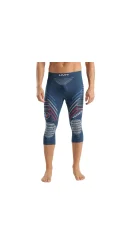
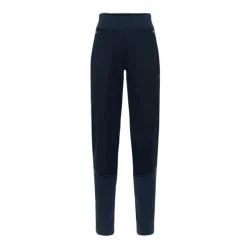
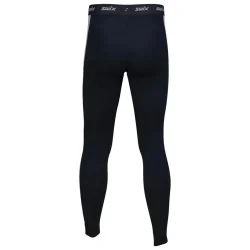
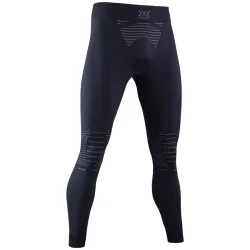
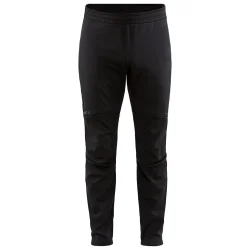
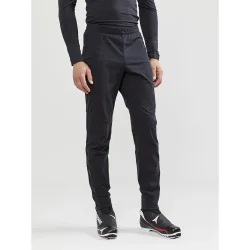
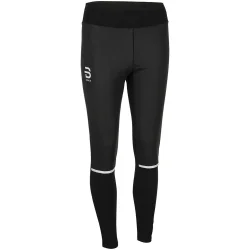
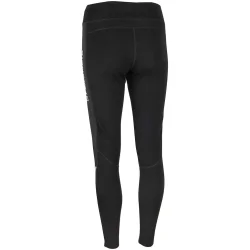
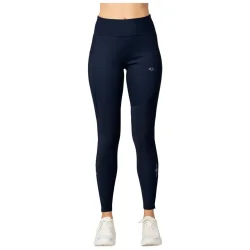
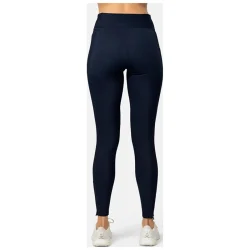
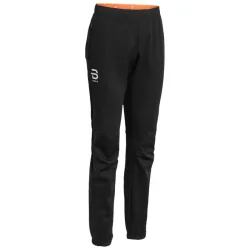
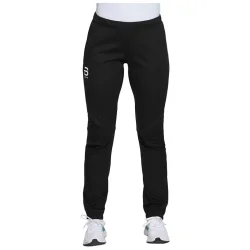
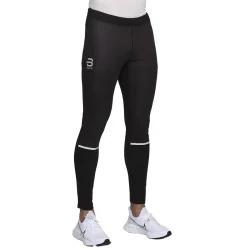
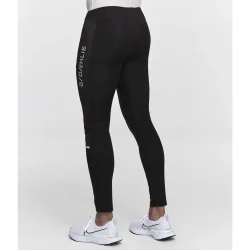
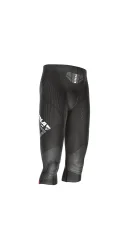
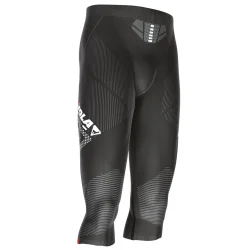
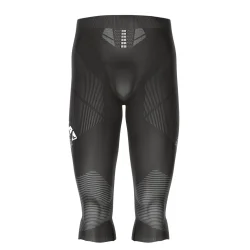
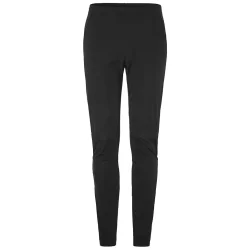
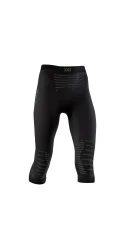
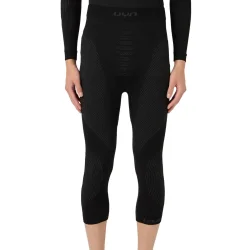
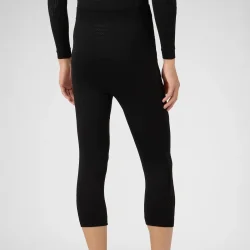
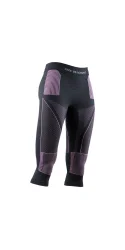
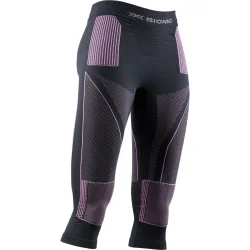
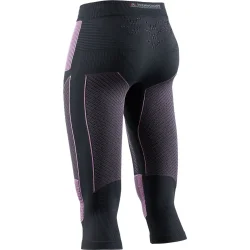
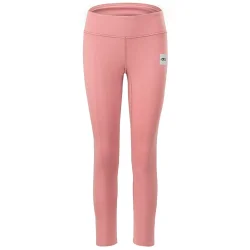
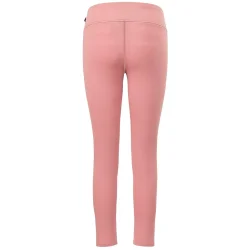
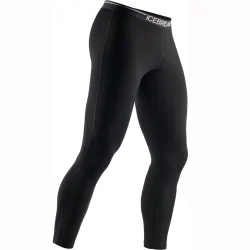
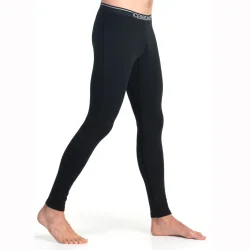
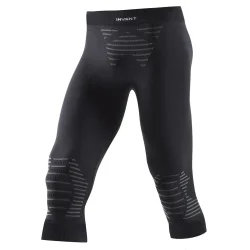
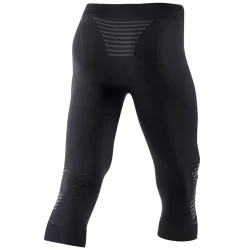
In intense training or in mild temperatures, a pair of cross-country ski tights is more than sufficient. Breathable and close-fitting, they offer excellent freedom of movement. Winter running tights can also work well.
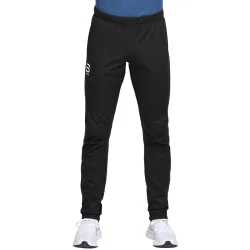
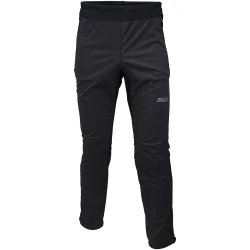
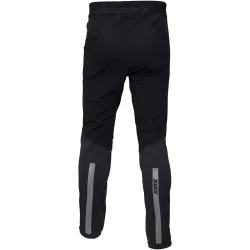
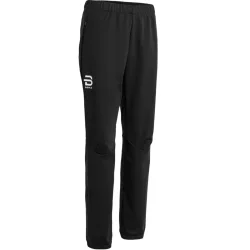
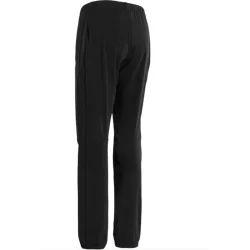
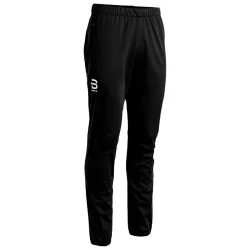
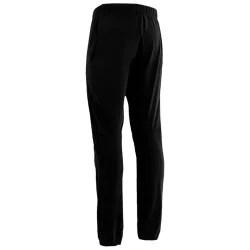
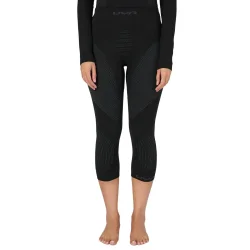
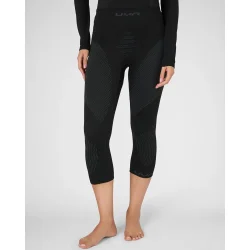
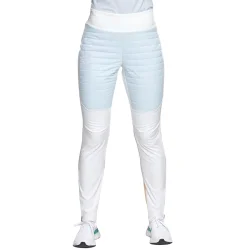
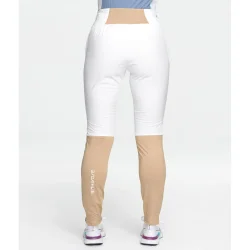
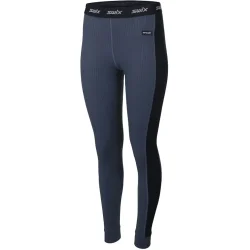
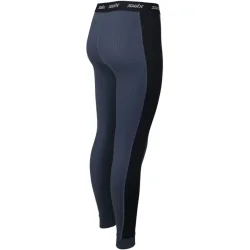
When it’s cold, or if you tend to feel the cold easily, opt for a technical base-layer tight combined with cross-country ski pants or softshell pants. This combination provides better protection against cold and wind without sacrificing comfort.
Do not neglect the extremities: head, hands and feet
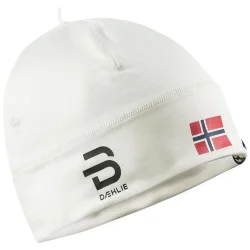
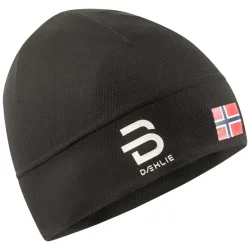
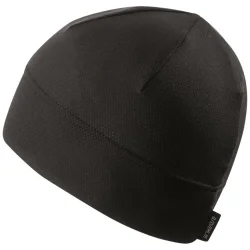
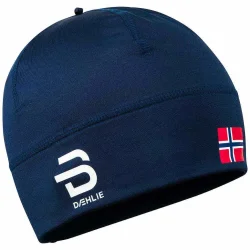
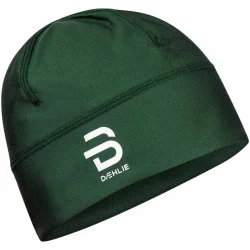
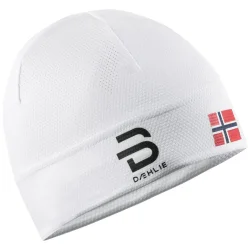
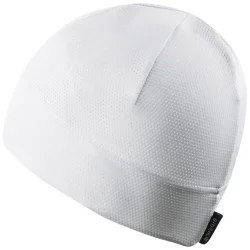
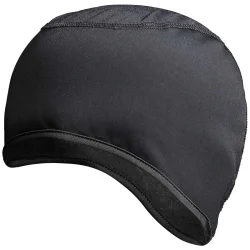
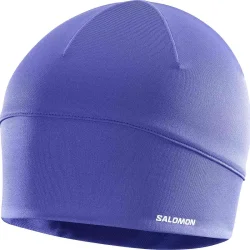
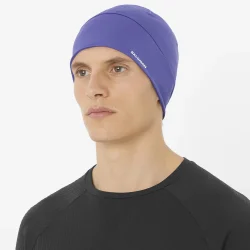
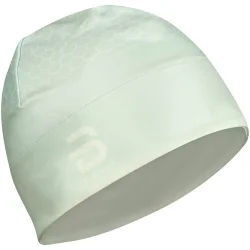
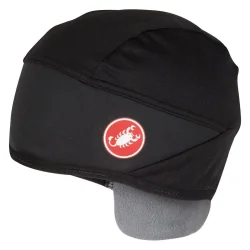
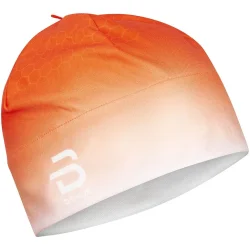
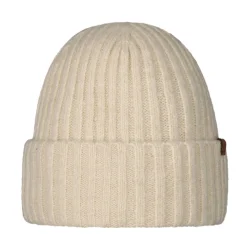
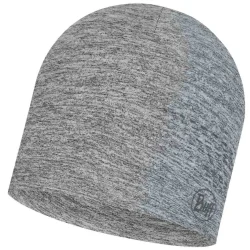
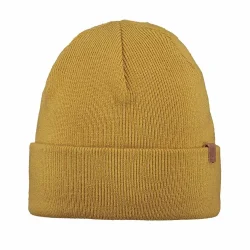
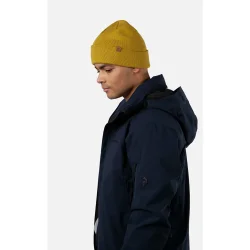
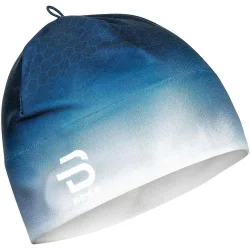
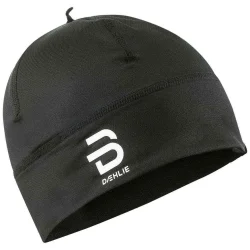
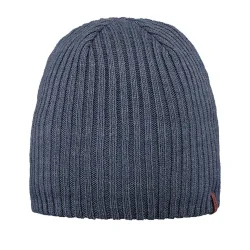
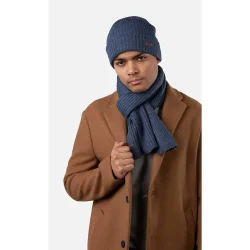
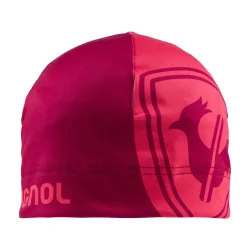
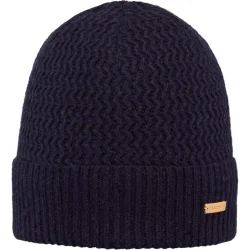
Hat or headband
The head is an area of significant heat loss.
Wear a thin hat, headband or warm hat depending on the weather: never go out with your head uncovered.

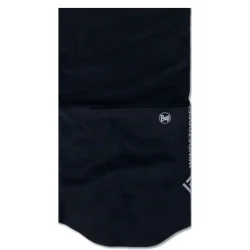
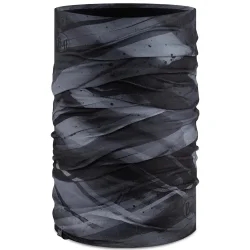
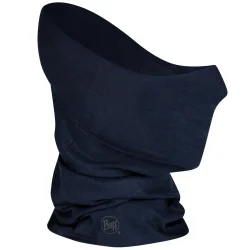
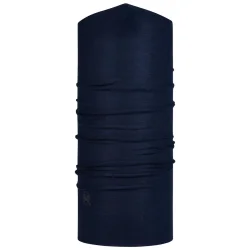
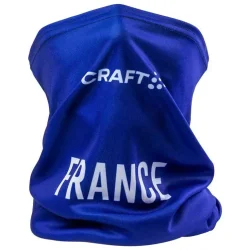
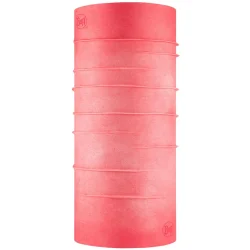
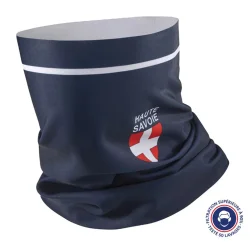
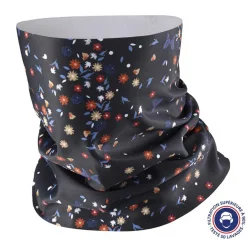
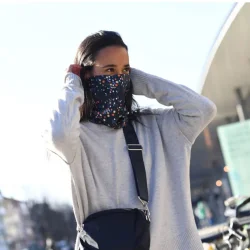
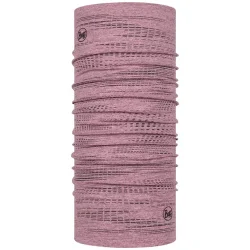
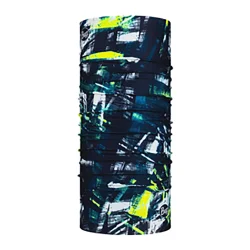
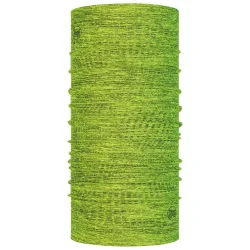
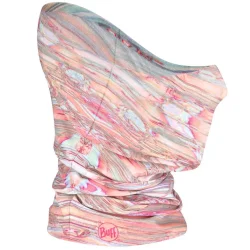
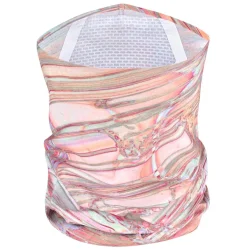
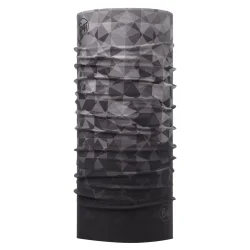
The neck warmer
Versatile and essential:
- protects against the cold
- adapts to the intensity
- can be worn in multiple ways

Gloves or mittens
The choice depends on the level and conditions:
- thin gloves = precision and breathability
- warmer gloves = thermal comfort
A good compromise is often the key.

Gant LILL SPORT Legend Thermo Slim
If you feel the cold, you can opt for mittens or three-finger gloves.
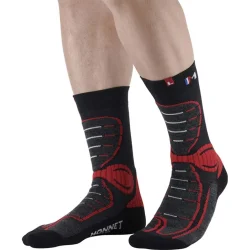
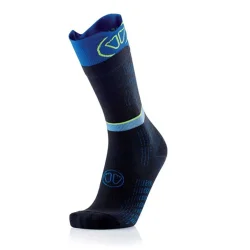
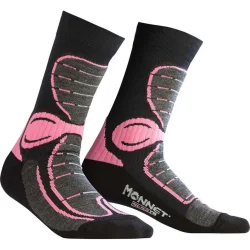
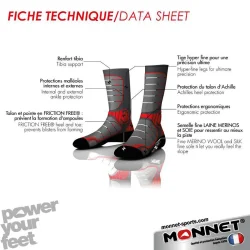
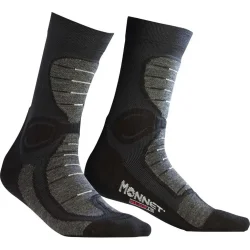
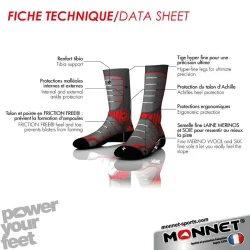
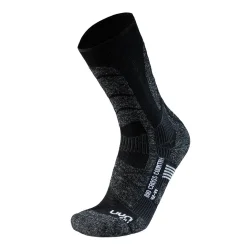
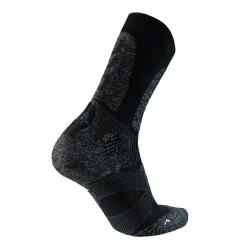
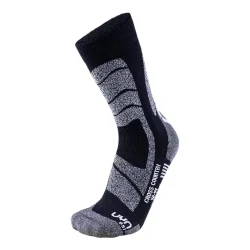
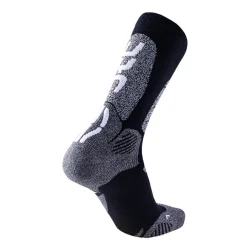
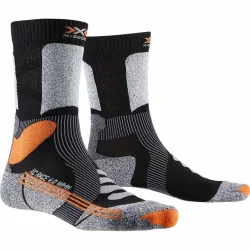
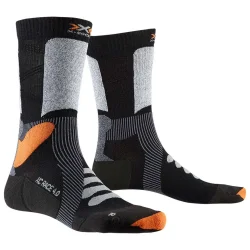
Socks
Socks are in direct contact with your shoes:
- breathable
- suitable for exercise
- neither too thick nor too tight
Wearing socks that are too thick in tight-fitting shoes = guaranteed cold feet.