



 fr
frStarting Triathlon: Essential Gear Guide for Your First Race
Have you finally signed up for your first triathlon? Congratulations! Now comes the big question: how do you get geared up without breaking the bank?
Rest assured, you don’t need a professional budget to get started. As endurance sports specialists at Worden, we’ve put together the essential triathlon checklist for beginners, discipline by discipline.
1. Swimming: Safety and Buoyancy in Open Water
Swimming in a lake or the ocean is often the most nerve-wracking part for beginners. Having the right gear is key to building confidence and enjoying the experience.
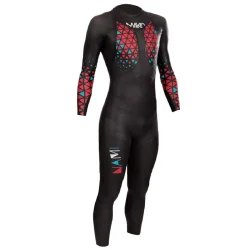
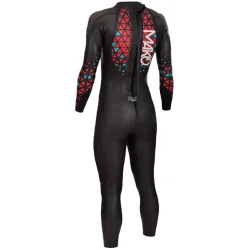
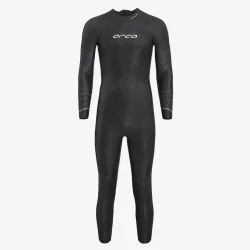
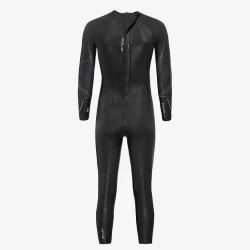
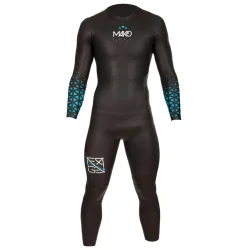
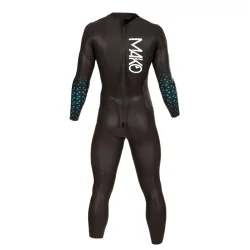
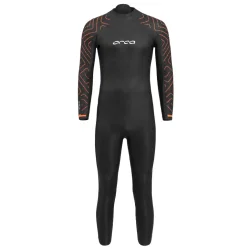
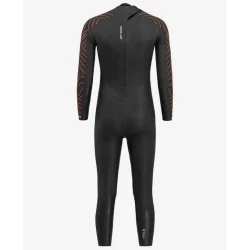
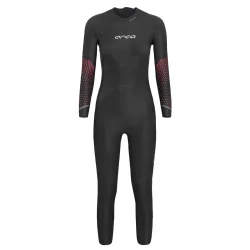
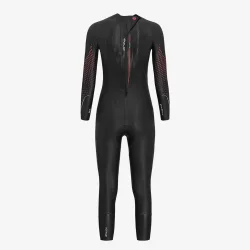
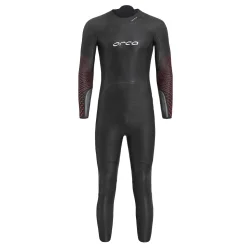
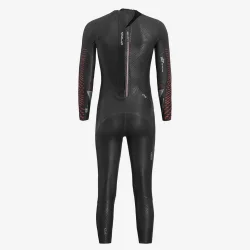
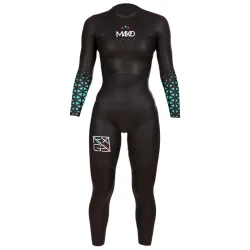
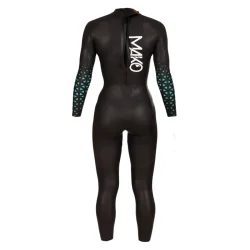
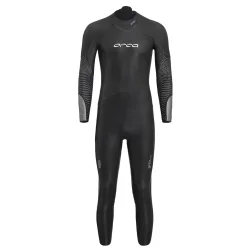
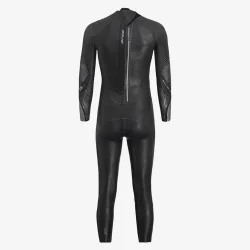
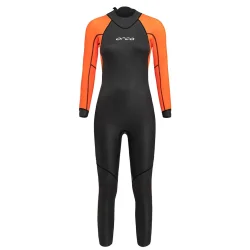
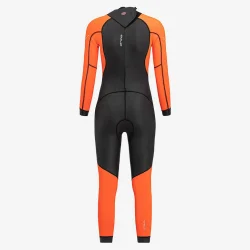
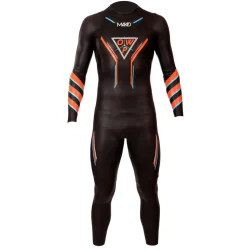
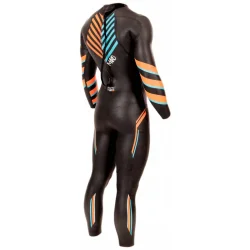
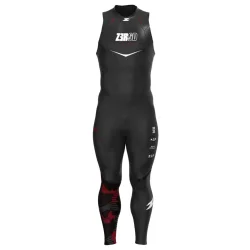
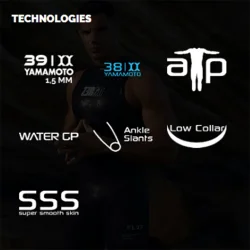
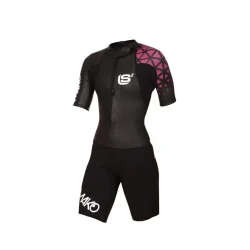
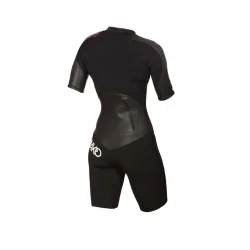
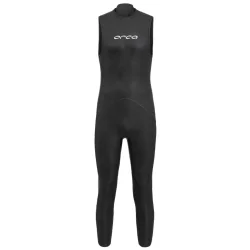
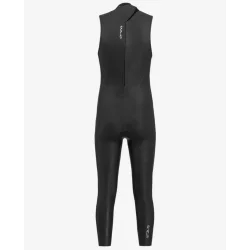
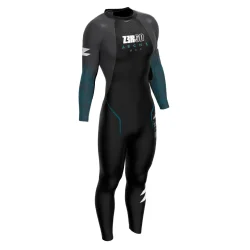
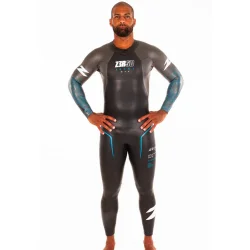
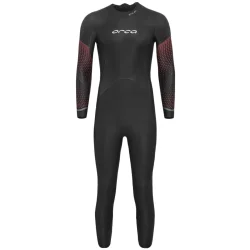
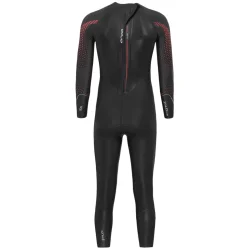
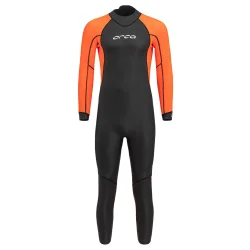
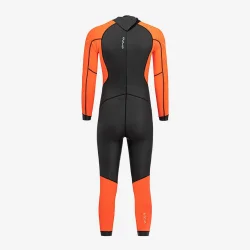
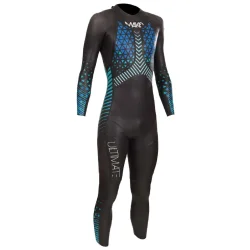
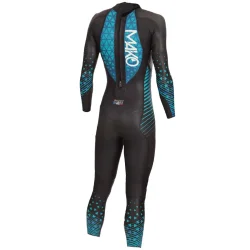
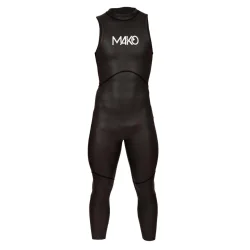
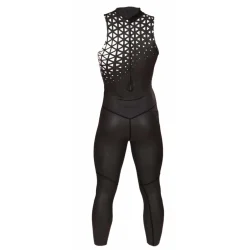
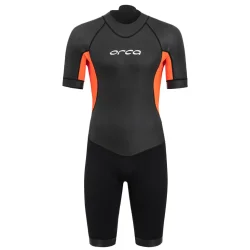
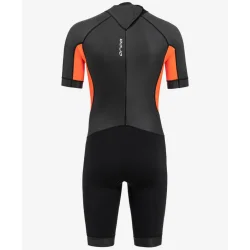
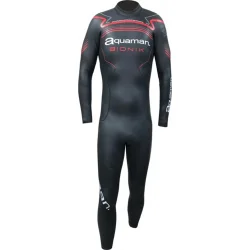
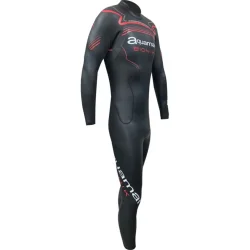
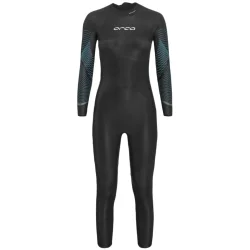
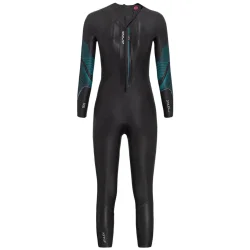
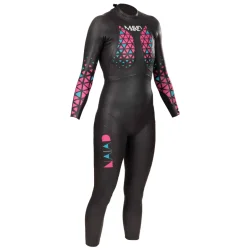
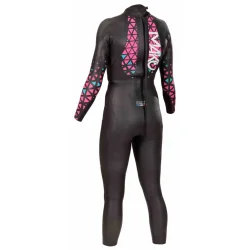
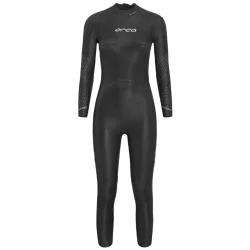
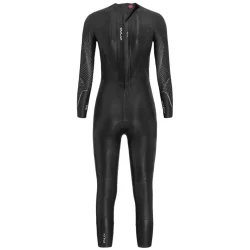
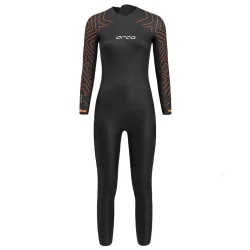
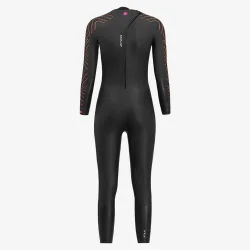
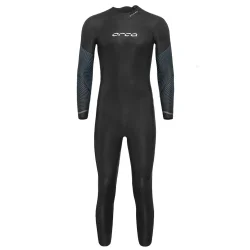
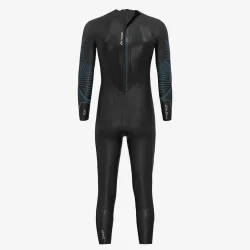
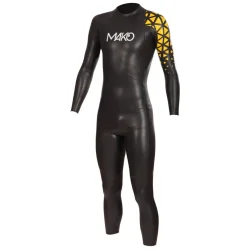
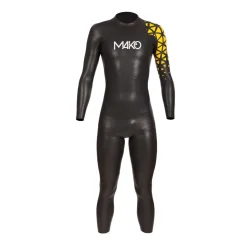
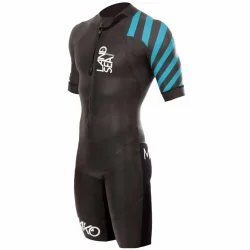
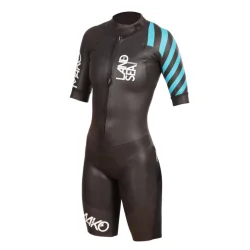
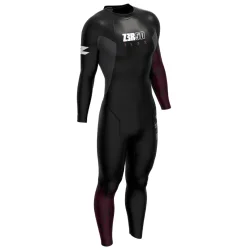
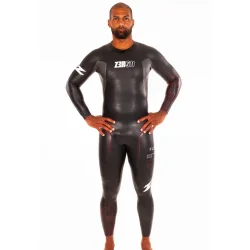
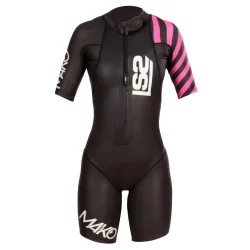
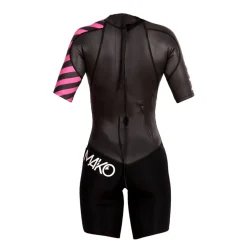
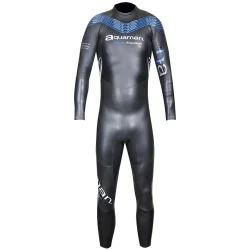
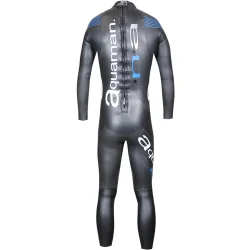
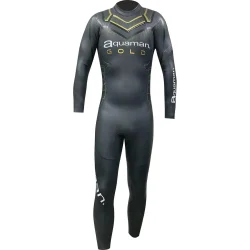
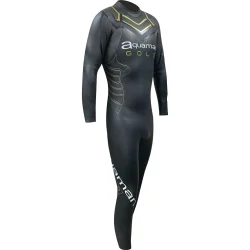
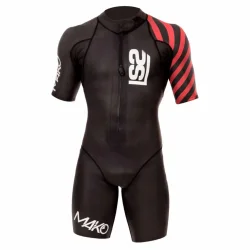
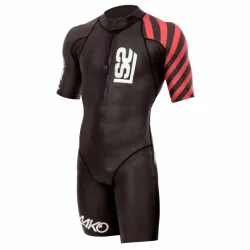
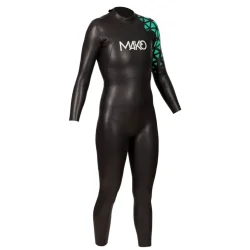
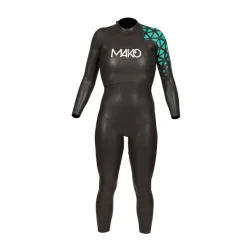
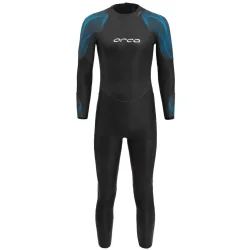
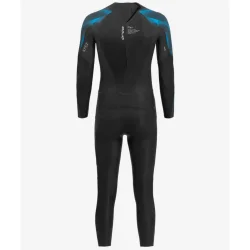
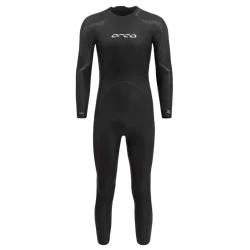
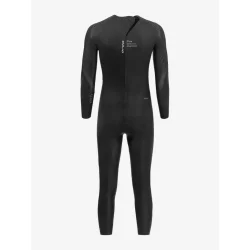
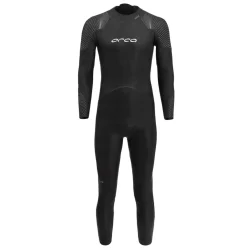
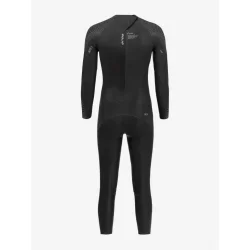
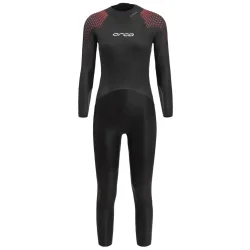
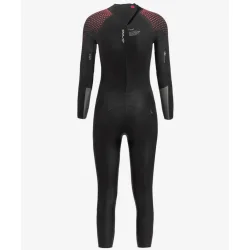
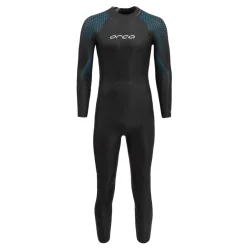
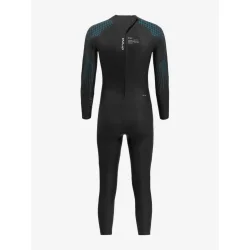
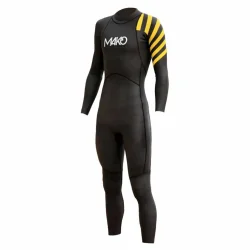
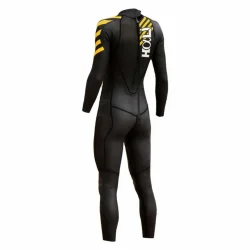
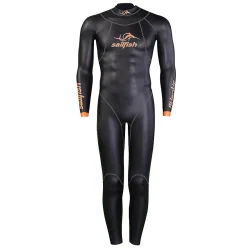
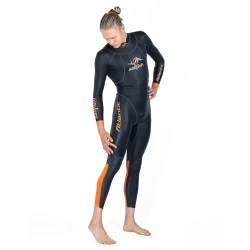
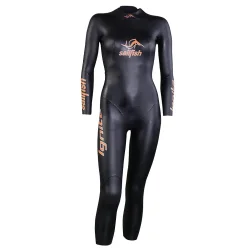
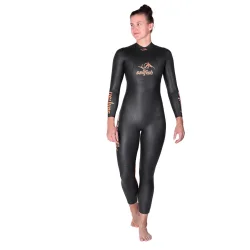
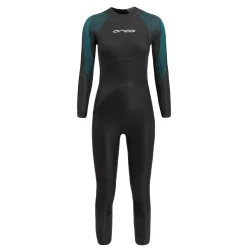
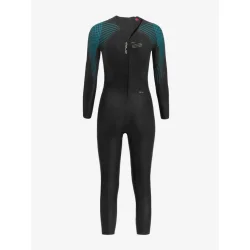
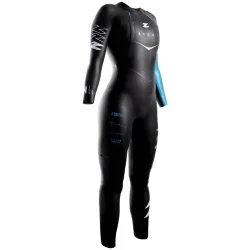
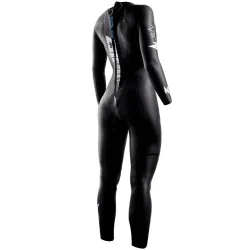
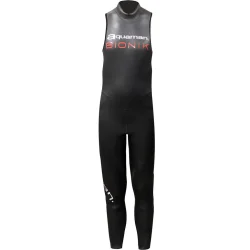
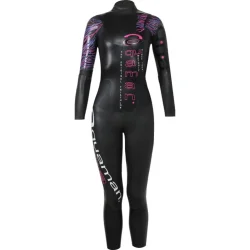
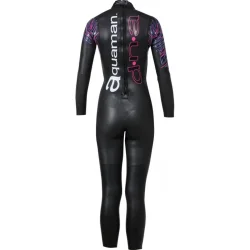
The Triathlon Wetsuit: This is your most important asset. Allowed under 24°C (75°F) and often mandatory below 20°C (68°F), it provides vital thermal protection. More importantly, the neoprene delivers optimal buoyancy, keeping you horizontal so you exit the water feeling fresh. Note: Choose a triathlon-specific model with thin, flexible shoulders for freestyle swimming (leave your surfing wetsuit at home!). It’s a smart investment that extends your training season from early spring to late autumn.
Open Water Goggles: Opt for a wide field of vision to easily sight course buoys. Tinted or polarized lenses are a game-changer if it's sunny on race day.
The Swim Cap: Organizers will provide one for the race, but you’ll need your own for training sessions.
Worden Advices :
- Get the right fit: Visit our Worden store in La Ravoire (73) to try on top brands (Orca, Aquaman, Mako, Zerod...) and find the perfect cut for your body shape.
- Prevent chafing: Apply anti-chafing cream around your neck, armpits, and seams before diving in to avoid painful friction from salt and water.

2. Cycling: Riding Efficiently
The second leg of the triathlon is usually the longest part of the race.
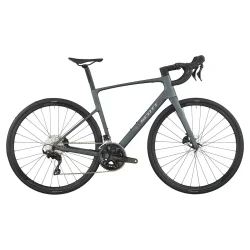
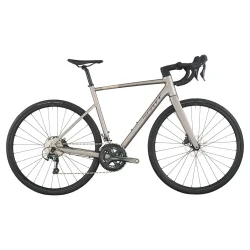
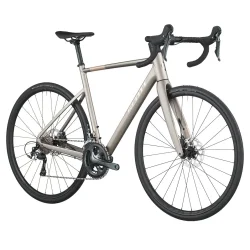
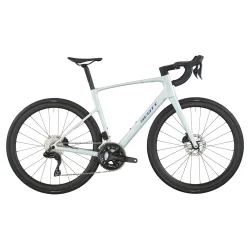
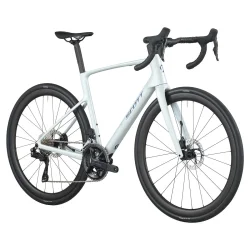
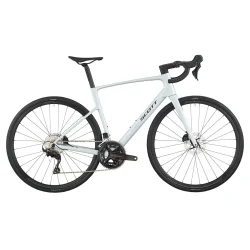
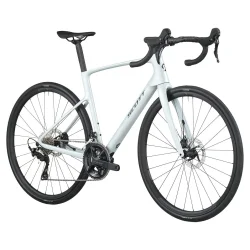
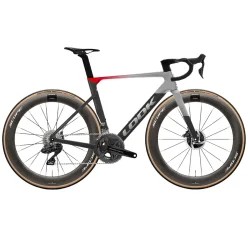
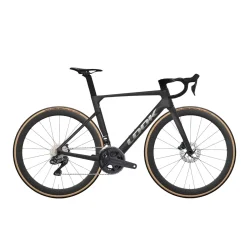
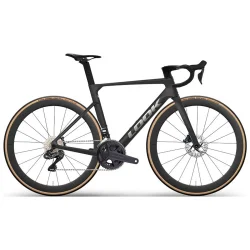
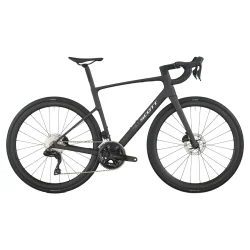
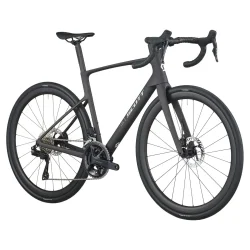
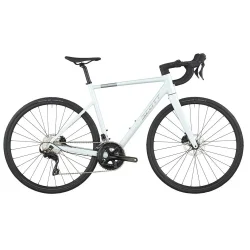
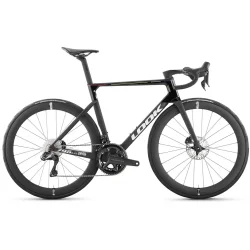
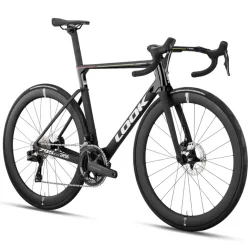
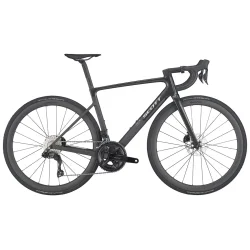
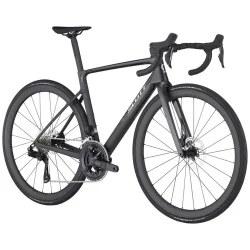
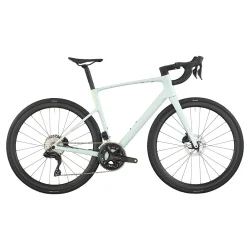
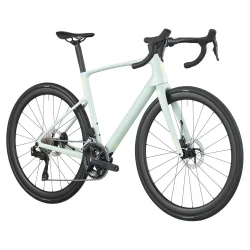
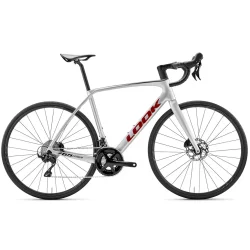
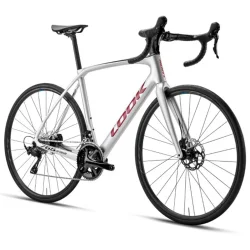
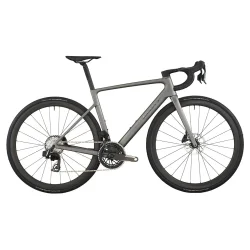
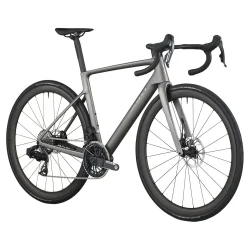
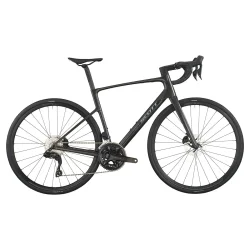
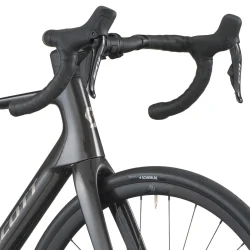
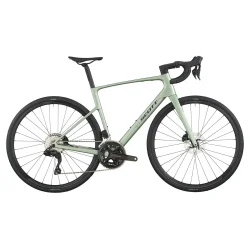
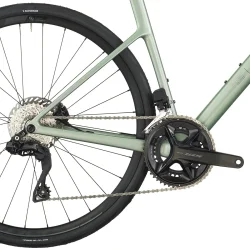
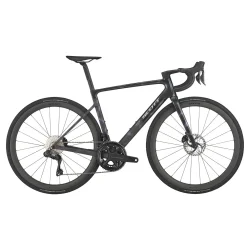
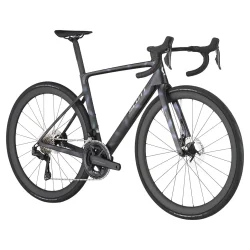
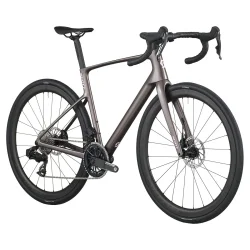
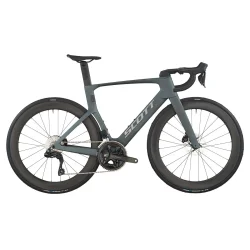
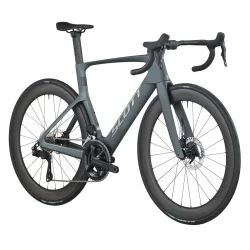
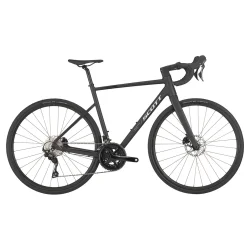
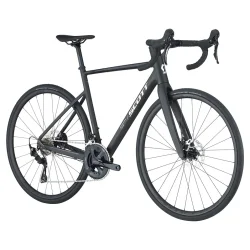
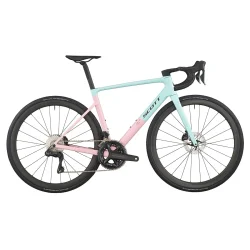
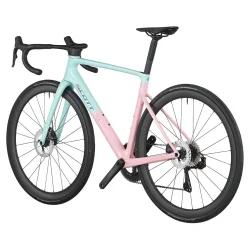
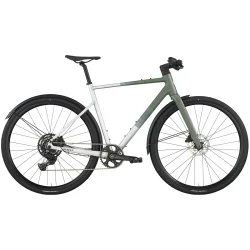
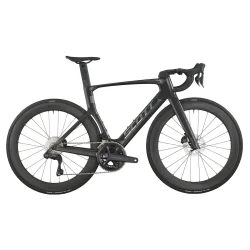
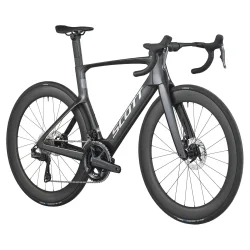
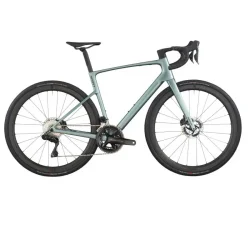
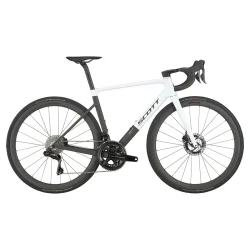
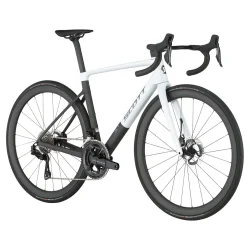
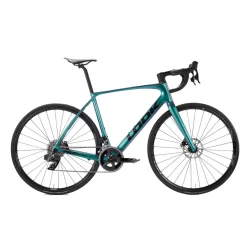
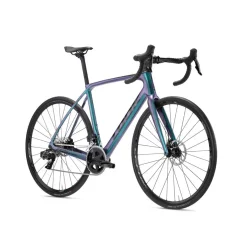
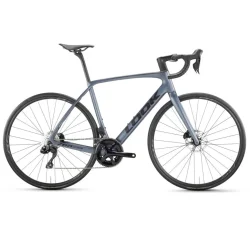
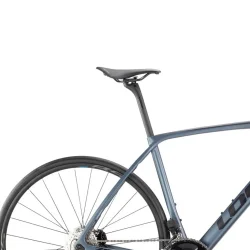
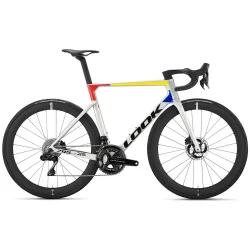
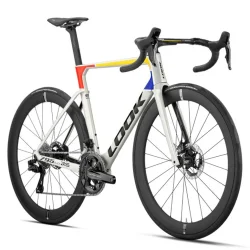
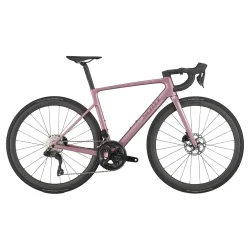
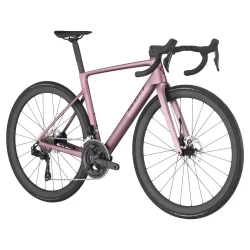
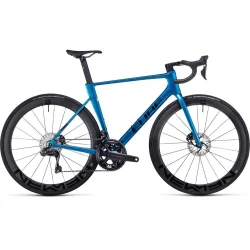
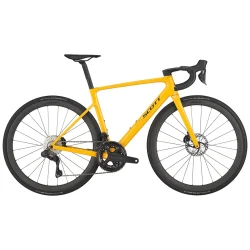
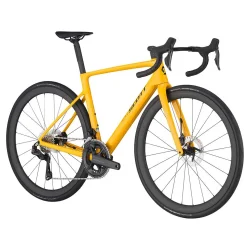
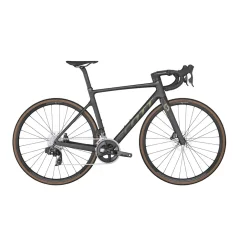
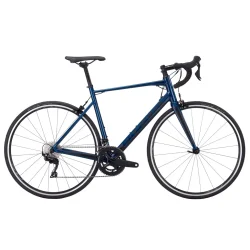
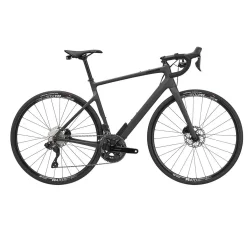
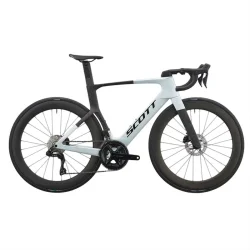
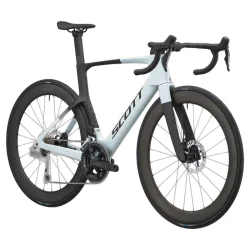
The Bike: For your first triathlon, a standard road bike in good working condition will do just fine. The most important thing is that it is properly serviced and adjusted to your size! There is no need to invest in a high-end model just yet.
The Helmet: This is strictly mandatory—no helmet, no race. Choose a lightweight, well-ventilated model that fits your head perfectly.
The Shoes: Flat or clipless pedals? The choice is yours. Clipless pedals offer a major efficiency boost, but if you aren’t used to riding with them, don’t try anything new on race day!
Worden advices :
- Be ready for flats: Pack a saddle bag with a puncture repair kit containing a spare inner tube, tire levers, and a mini-pump (or CO2 inflator). Don't let a flat ruin your race!
- Use talcum powder: Shake some talc into the bottom of your cycling and running shoes. Trying to slide wet feet into shoes during transitions is incredibly difficult without it!
- Get a race belt: This is a lifesaver. It keeps your race number secure without damaging your kit with safety pins. Plus, it lets you use just one bib (which you flip from the back for cycling to the front for running), and many models come with loops to store your energy gels!


3. Running: Finishing Strong
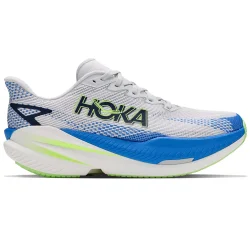
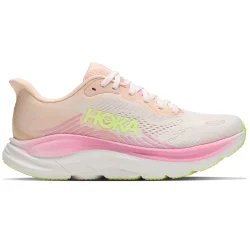
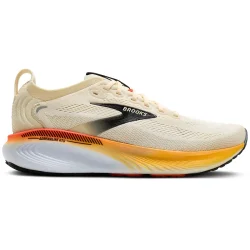
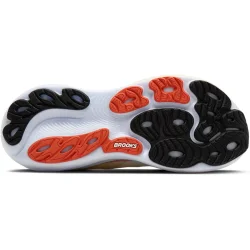
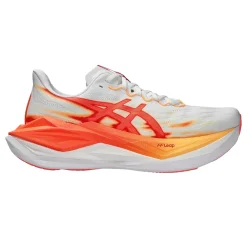
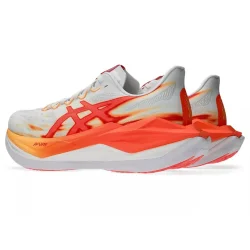
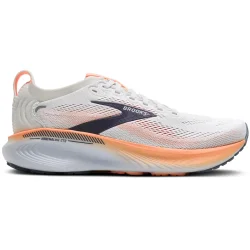
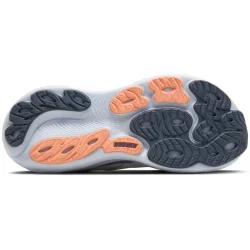
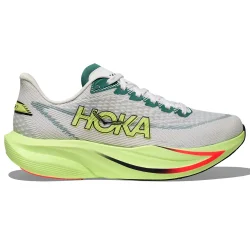
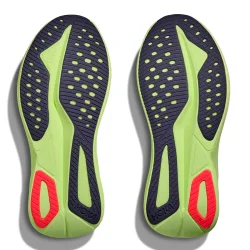
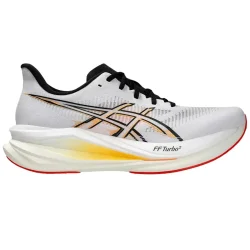
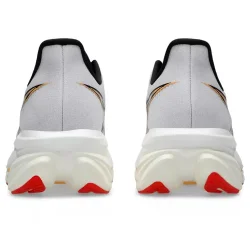
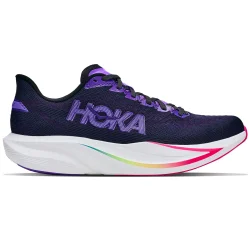
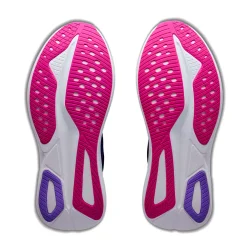
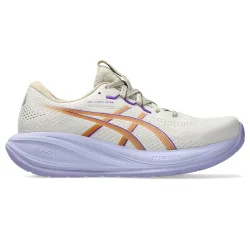
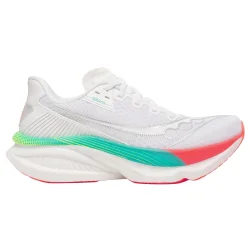
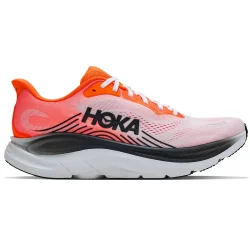
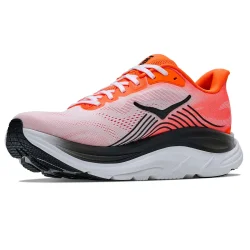
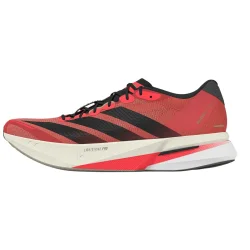
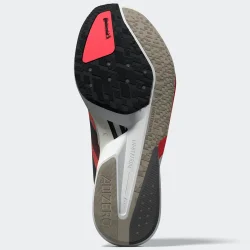
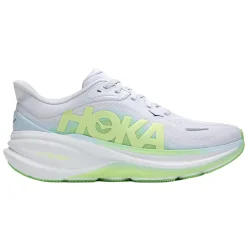
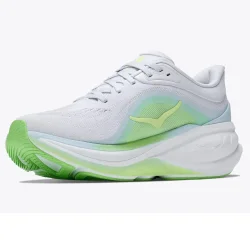
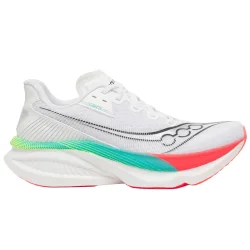
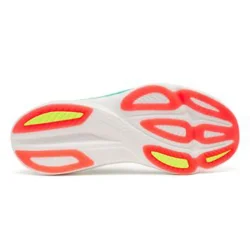
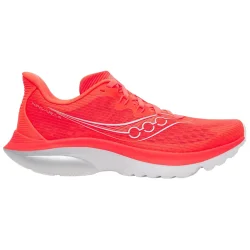
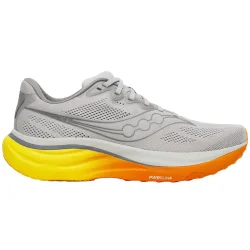
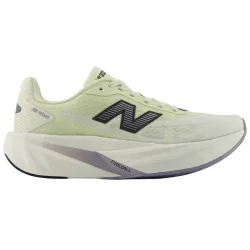
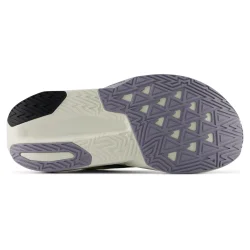
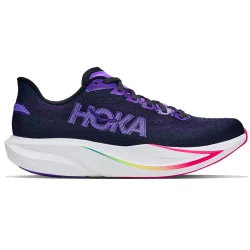
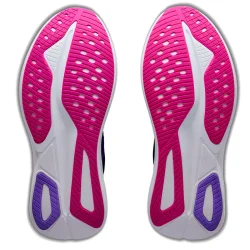
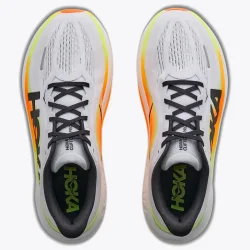
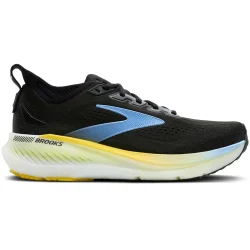
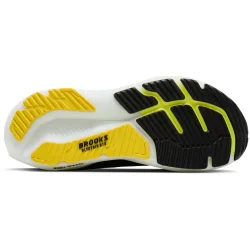
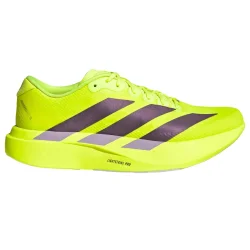
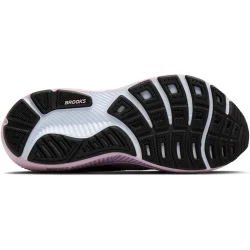
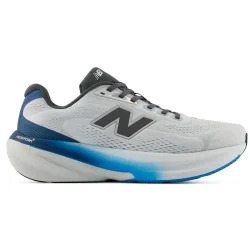
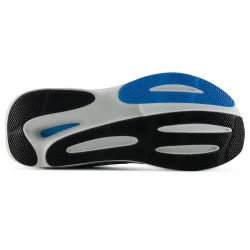
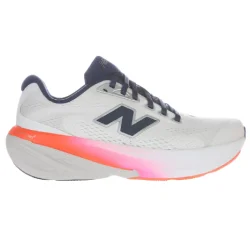
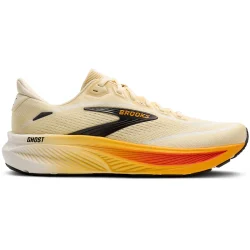
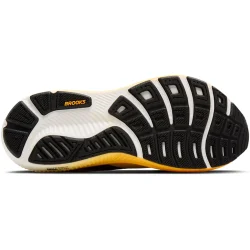
After swimming and cycling, your legs will feel heavy during the transition to the run. Choosing the right shoes is crucial to prevent injury.
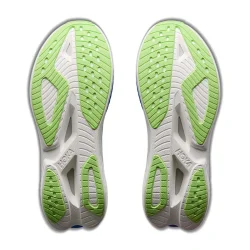
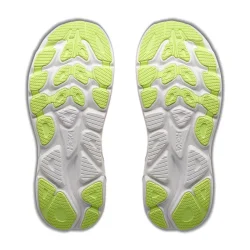
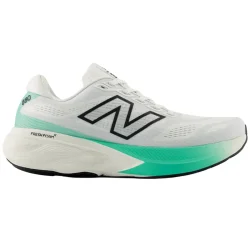
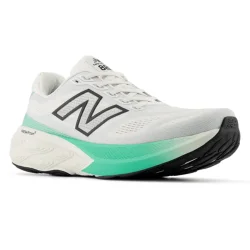
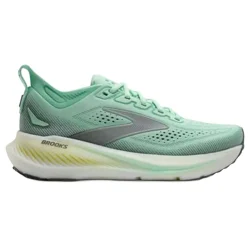
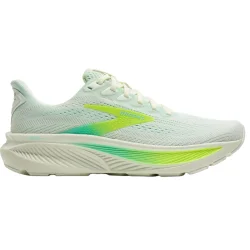
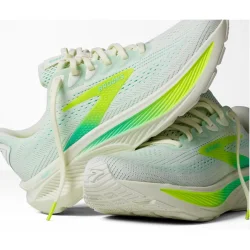
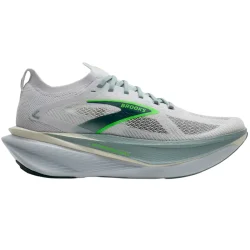
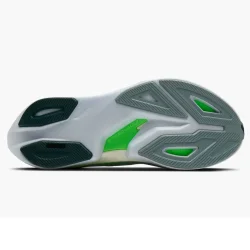
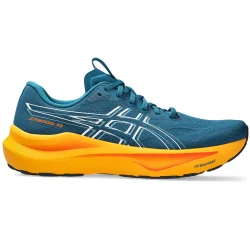
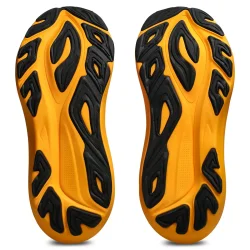
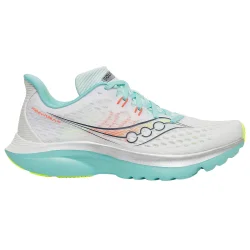
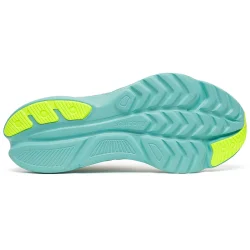
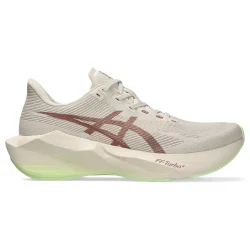
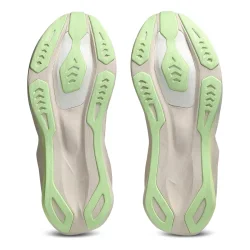
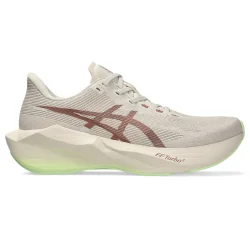
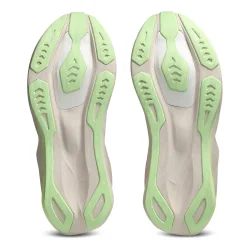
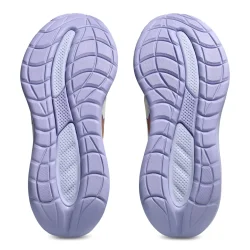
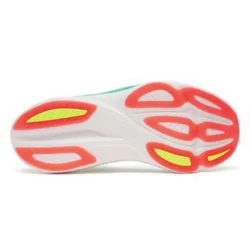
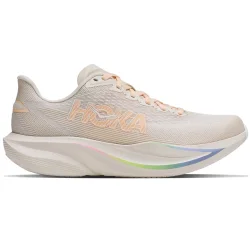
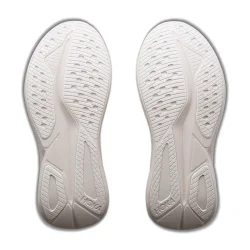
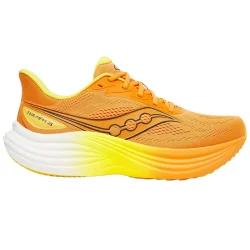
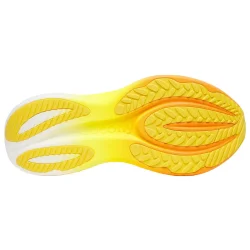
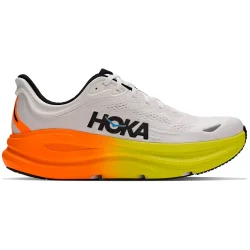
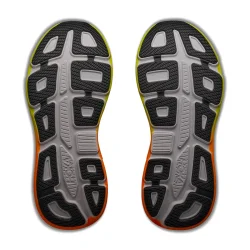
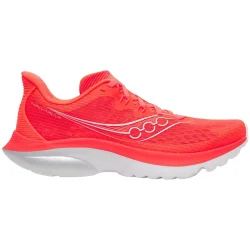
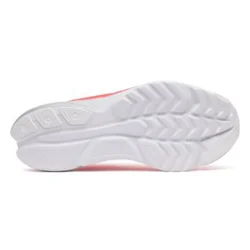
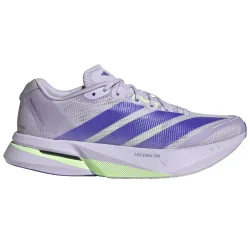
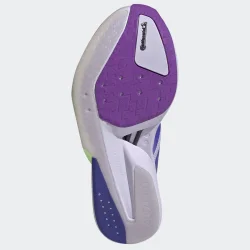
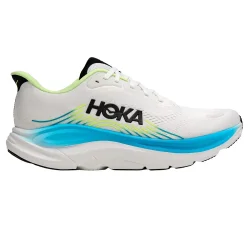
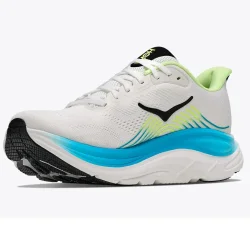
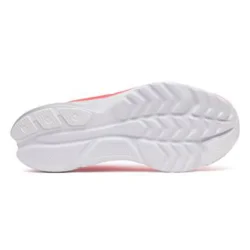
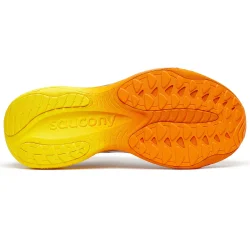
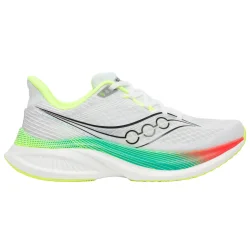
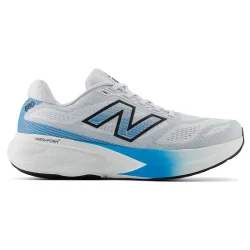
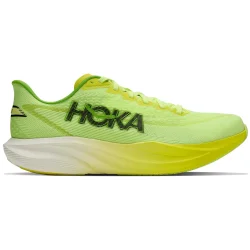
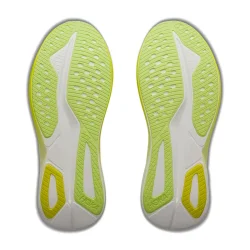
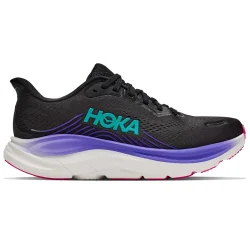
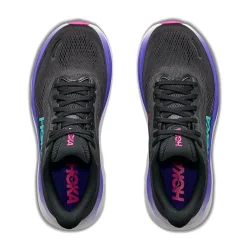
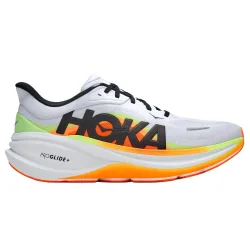
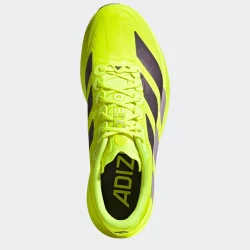
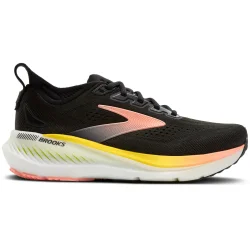
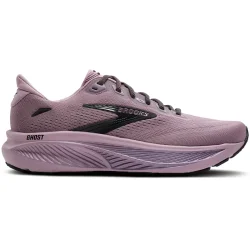
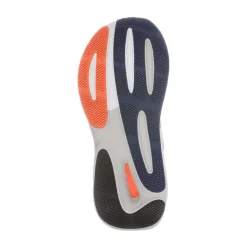
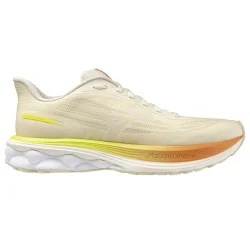
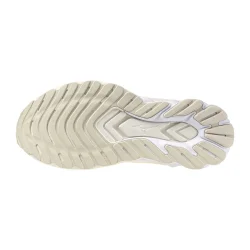
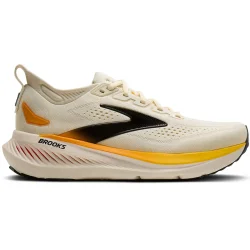
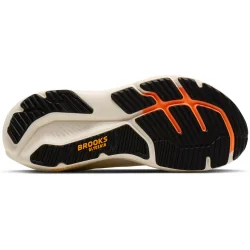
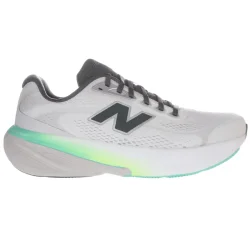
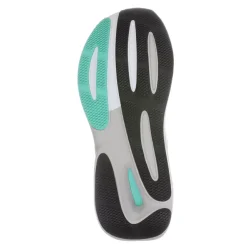
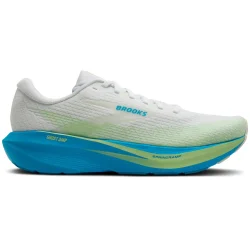
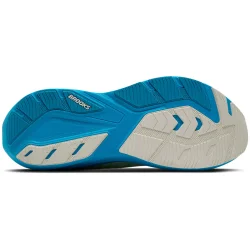
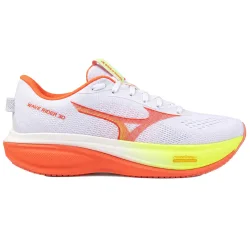
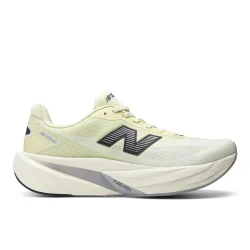
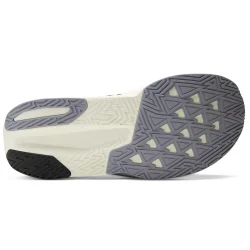
Running Shoes: Never test a brand-new pair the day before the race. Stick to road running shoes that you are already comfortable in, that match your stride, and that you have actively trained with.
Worden Advices :
- Upgrade your laces: Replacing your standard laces with lock-system elastic laces allows you to slip your shoes on in the blink of an eye without tying a knot. This will save you precious seconds in the T2 transition!
- Nutrition: Practice your fueling strategy before race day. Test energy gels, chews, or fruit purées during training to ensure your stomach handles them well on the run.

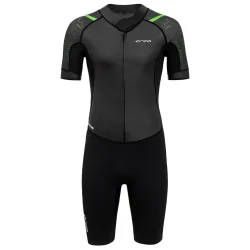
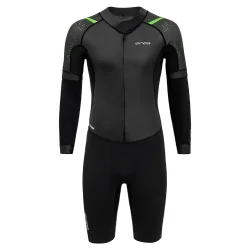
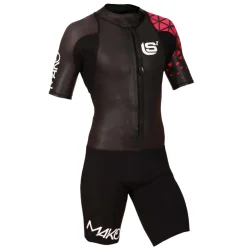
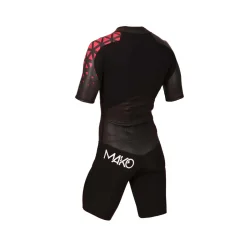
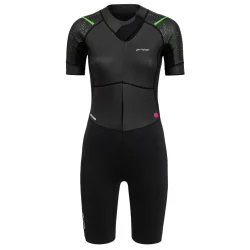
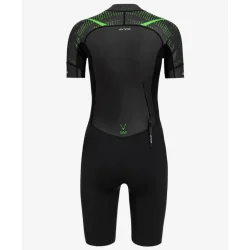
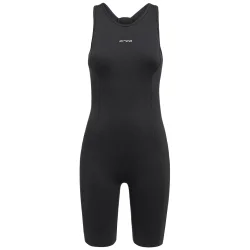
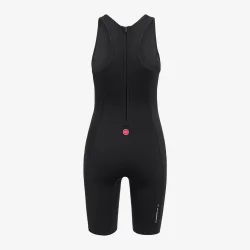
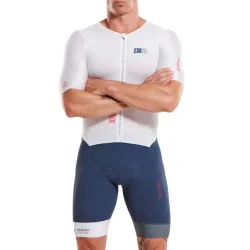
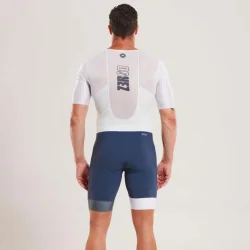
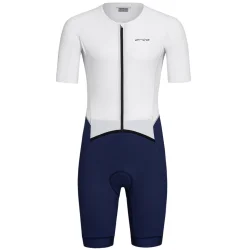
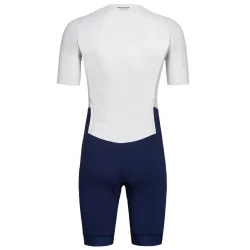
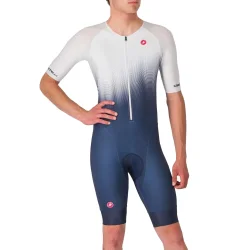
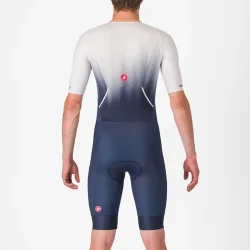
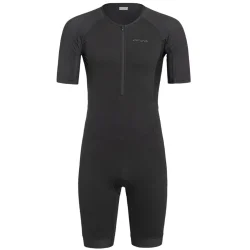
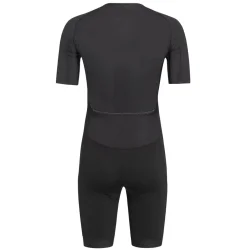
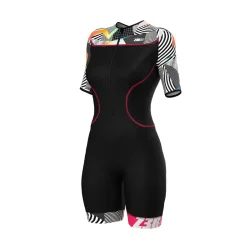
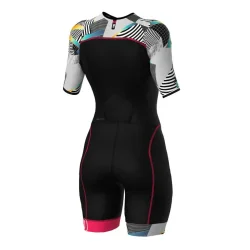
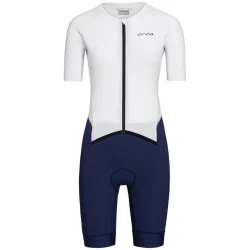
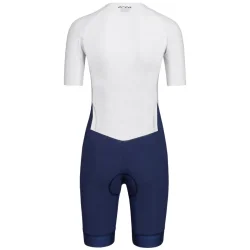
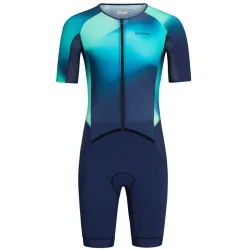
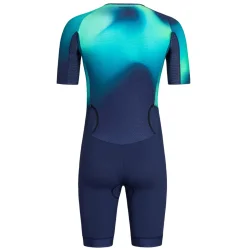
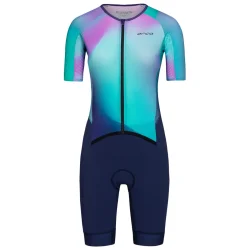
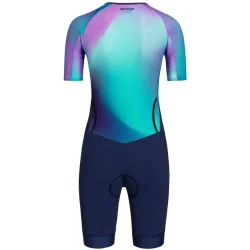
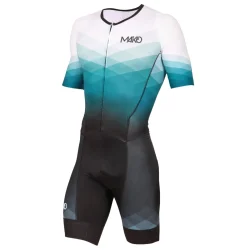
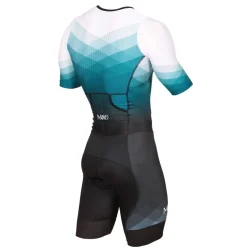
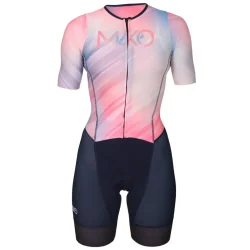
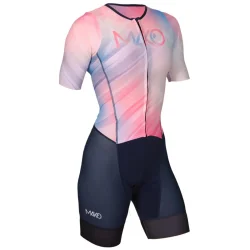
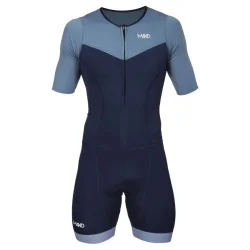
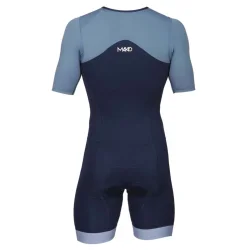
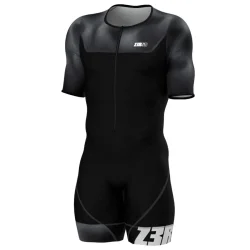
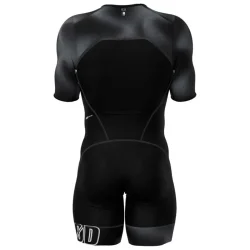
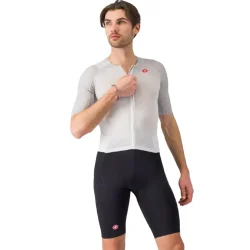
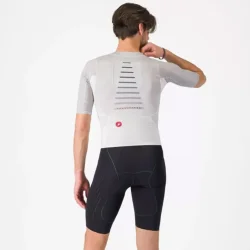
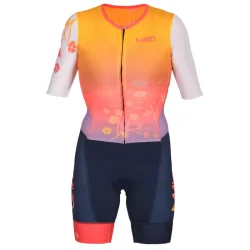
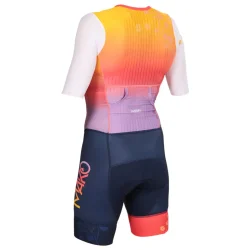
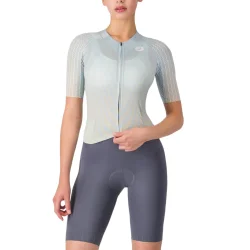
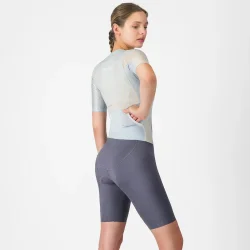
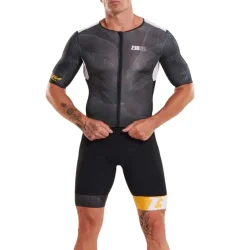
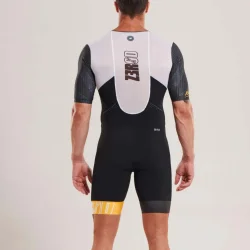
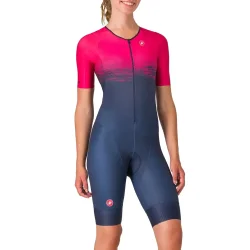
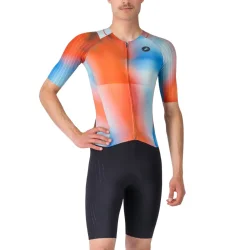
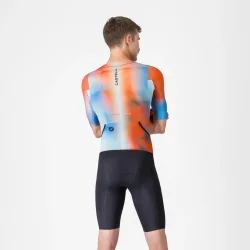
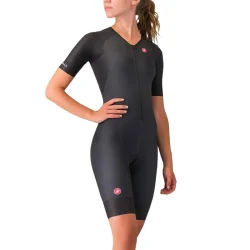
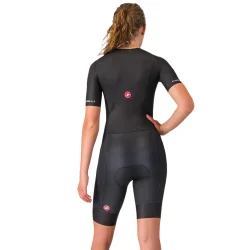
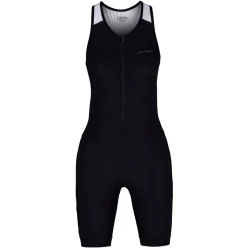
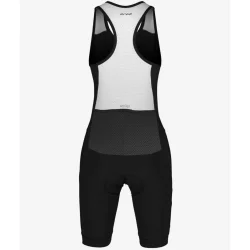
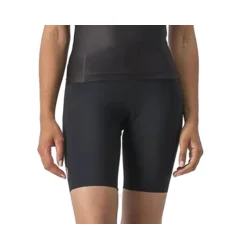
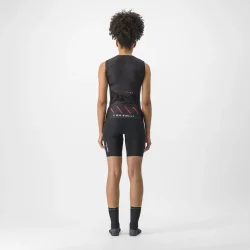
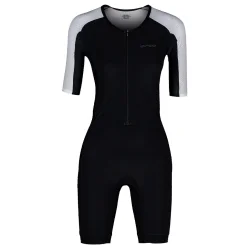
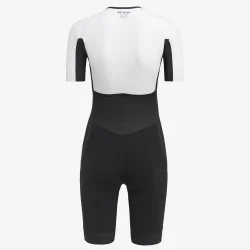
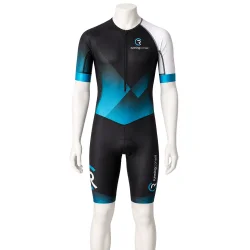
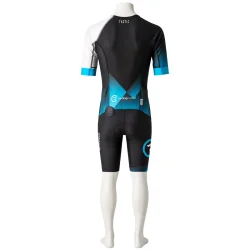
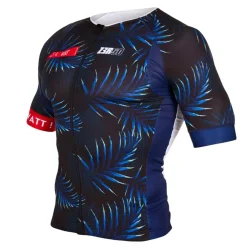
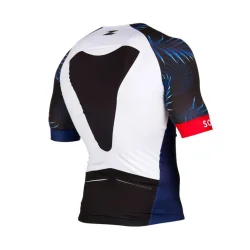
The Tri-Suit: The Ultimate All-in-One Kit
Tri-suits eliminate the need to change clothes during transitions (T1 and T2). Simply shed your neoprene wetsuit (if used) and jump straight onto your bike!
The Ultimate All-in-One: This is the only piece of gear you wear across all three disciplines. It fits comfortably right under your wetsuit.
Zero Distractions: It stays perfectly in place whether you are swimming, cycling, or running, keeping you streamlined and distraction-free throughout the entire race.
FAQ: Frequently Asked Questions
How do transitions work in a triathlon?
Swim to Bike (T1): Exit the water and run to your spot in the transition area. Remove your wetsuit, put on your helmet (mandatory before touching your bike), sunglasses, and bike shoes. Push your bike on foot to the mount line before getting on.
Bike to Run (T2): Dismount your bike before the entry line, push it back to your spot, and rack it. Remove your helmet, slip on your running shoes, flip your race belt so your number faces forward, and head out for the run.
Are you allowed to swim breaststroke in a triathlon?
Yes, breaststroke is completely allowed. While freestyle (front crawl) is the most efficient and common stroke, you can absolutely switch to breaststroke if you get tired or need to sight the buoys.
Can I do a triathlon with a standard road bike or a mountain bike?
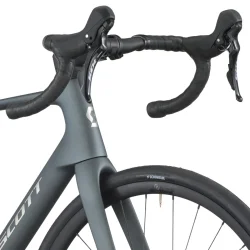
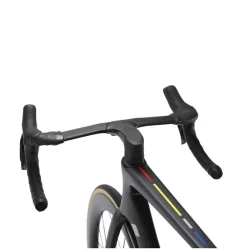
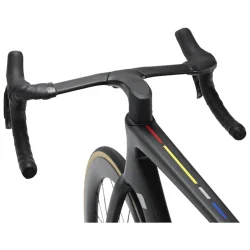
Absolutely. You don't need a specific time-trial (TT) bike for your first race. A standard road bike, gravel bike, or even a clean, serviced mountain bike works perfectly. Just make sure your handlebar end plugs are in place; race referees systematically check this for safety reasons in the transition zone.
What is "drafting" and is it allowed?
Drafting means riding closely behind another cyclist to shield yourself from the wind, saving up to 30% of your energy.
On most long-distance triathlons (Half-Ironman, Ironman), drafting is strictly forbidden. You must maintain a safe distance (usually 12 meters) from the bike ahead or face a penalty.
On some short-distance races (Sprint/XS or Olympic/M), drafting may be allowed. Always check your specific race rules to see if pack riding is permitted.
How do I wear my race number (bib) in a triathlon?
Your race number must be visible on your back during the bike leg and on your front during the run. Since you cannot pin it to a swimsuit or wetsuit, a 3-point race belt is an essential accessory. You pin your bib to the belt before the race and simply spin it around during transitions.
Is a neoprene swimming wetsuit mandatory?
It depends on the water temperature on race day. According to standard triathlon regulations (such as World Triathlon and FFTri):
Mandatory if the water temperature is below 16°C (60.8°F).
Permitted if the water temperature is between 16°C and 24.5°C (up to 76.1°F).
Forbidden if the water temperature rises above 24.5°C (76.1°F).
What should I wear under a tri-suit?
Nothing at all! Just like cycling bib shorts, a tri-suit is designed to be worn directly against the skin. Wearing underwear or a swimsuit underneath causes fabric bunching, traps water after the swim, and leads to severe chafing during the bike and run legs.
How should I set up my race nutrition strategy?
Never leave race day nutrition to chance. Use your training sessions to test your fueling strategy: isotonic drinks, energy gels, bars, or purées. Listen to your body, check your digestive tolerance, and find the perfect combination to power your performance.